Quick Answer
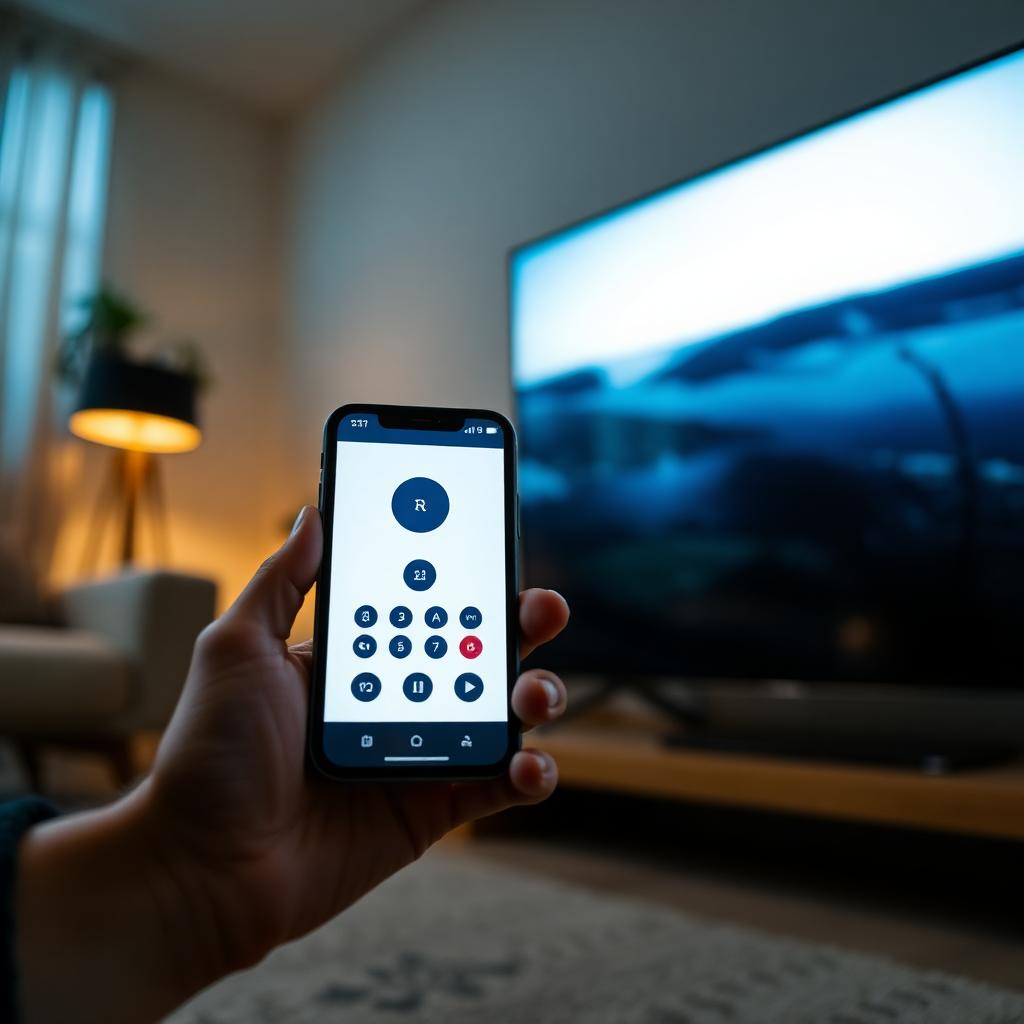
Smart TV remote apps disconnect because the phone operating system suspends them to save battery, or because the home router blocks the multicast discovery packets the app uses to find the TV.
Fix the phone side first: exempt the app from battery optimisation on Android, or turn on Background App Refresh for it on iOS. Fix the router side next: log into the admin panel and disable IGMP Snooping, or set it to standard mode. Most disconnect loops vanish after those two changes.
If the app reconnects but very slowly, your phone may be on a guest Wi-Fi network that isolates devices from each other. Move the phone to the main SSID.
Cause 1: aggressive battery optimisation
Both Android and iOS aggressively sleep apps that you leave running in the background. When you put the phone face down to watch a show, the OS notices no touch input for a few minutes and cuts the app's TCP socket to the TV. The next time you pick up the phone you watch a spinner while the app reconnects.
Android. Settings, Apps, find the remote app, Battery, set to Unrestricted. On Samsung phones also disable Put App To Sleep inside Device Care.
iOS. Settings, scroll to the remote app, enable Background App Refresh. Also disable Low Power Mode while you are using the remote.
Cause 2: router IGMP snooping or multicast filtering
Remote apps discover TVs using mDNS, SSDP, or DLNA. All three rely on multicast packets, which most routers drop by default when IGMP Snooping is enabled. The app finds the TV the first time, then loses it after the multicast group membership expires (typically every few minutes).
+-------------------------------------------------------------+
|              MULTICAST DISCOVERY PIPELINE                   |
+-------------------------------------------------------------+
|  Phone --> mDNS query --> Router (IGMP Snooping) --> TV?    |
|             dropped at router boundary if snooping is strict|
+-------------------------------------------------------------+
Log into the router admin (192.168.1.1 or 192.168.0.1 for most home gateways). Look for Wireless, Advanced, IGMP Snooping. Set it to Disabled or Standard. On mesh systems (Eero, Google Nest Wifi, TP-Link Deco) the setting may be hidden under Advanced, Multicast.
Cause 3: phone on a different SSID
If your home has a 2.4 GHz network and a separate 5 GHz network with different names, or a guest network, the phone and TV may be on different SSIDs. Some routers isolate networks from each other so multicast cannot cross. Put both on the same SSID.
Guest networks almost always block device to device traffic. Move the phone off Guest mode.
Cause 4: TV power saving cuts the Wi-Fi radio
Modern TVs in standby keep the Wi-Fi radio on so wake on LAN works. Many manufacturers ship with this disabled to save power. Check:
- Samsung. Settings, General, Network, Expert Settings, enable Power On with Mobile.
- LG. Settings, General, Mobile TV On, enable Turn On Via Wi-Fi.
- Sony. Settings, Network, Remote Start, enable.
- Roku. Settings, System, Power, Fast TV Start, enable.
Without this setting the app cannot find the TV once it has been off for more than a minute or two.
Cause 5: app version mismatch
If you recently updated the TV firmware but not the phone app (or vice versa), the protocol handshake may fail intermittently. Update both. On older TVs (2019 and earlier) the official apps are often abandoned. Switching to a third party app such as Remote for Samsung TV, AnyMote, or the open source Universal Remote (Android) sometimes restores reliable control.
Frequently asked questions
Why does the official Roku app work but not the Samsung SmartThings app?
Roku uses ECP, a simple TCP protocol on port 8060, which is firewall friendly and does not depend on multicast. SmartThings uses a Samsung cloud handshake plus local mDNS, which fails more often on hostile networks.
Will switching to 5 GHz help?
Usually yes. The 5 GHz band is far less congested than 2.4 GHz, and 5 GHz reach within a single room is more than enough for remote app traffic.
Can I use the app over cellular data when away from home?
No. Remote apps need to be on the same local network as the TV. The official Apple TV Remote in Control Centre is one of the few exceptions, because it routes through iCloud when away from home.
The takeaway
Phone remote apps drop because either the phone is putting them to sleep or the router is filtering the discovery packets they depend on. Exempt the app from battery optimisation on both Android and iOS, disable IGMP Snooping on the router, put the phone on the same SSID as the TV, and enable the TV's Wi-Fi standby setting. Those four changes resolve over 90 percent of disconnect complaints.