Quick Answer
Transport Minister Anthony Loke announced the official LRT3 Shah Alam Line opening at a JPJ event in Bandar Tasik Selatan, confirming the launch ceremony for Sunday, June 28, 2026, and the start of public service on Monday, June 29. The line was originally targeted for late 2025, but Loke said the team needed extra months to finish integrating the automated signalling system and complete every mandatory trial run before APAD would sign off on passenger service.
In short: nobody wanted a driverless metro that opened on time and broke on day one.
Total project value sits at around RM21.93 billion.
The original timeline and why it slipped
LRT3 was first announced more than a decade ago and went through several rounds of scope changes, including a cost review that trimmed stations to keep the budget manageable. After construction restarted in earnest, the project ran through pandemic era supply chain disruption that pushed equipment deliveries back by quarters at a time.
By 2025, civil works were essentially finished. The remaining bottleneck was not concrete or steel, it was software. Driverless trains depend on a centralised Communications Based Train Control system that has to communicate with every train, every platform screen door, every emergency brake, and every traction power section in perfect sync. That kind of system integration is where modern rail projects most often stall.
What Loke actually said
Speaking to reporters at the JPJ Bandar Tasik Selatan event on June 22, 2026, Loke confirmed the launch dates and stressed that the ministry was not willing to compromise on safety to meet a calendar target. He pointed to the trial run schedule, the APAD inspection process, and the need for a clean record of fault free test passes before the system could carry the public.
For the political context of the launch ceremony itself, see this overview of the Anwar Ibrahim launch. For a station by station route guide, see this fares and stations breakdown.
What the final round of testing actually covered
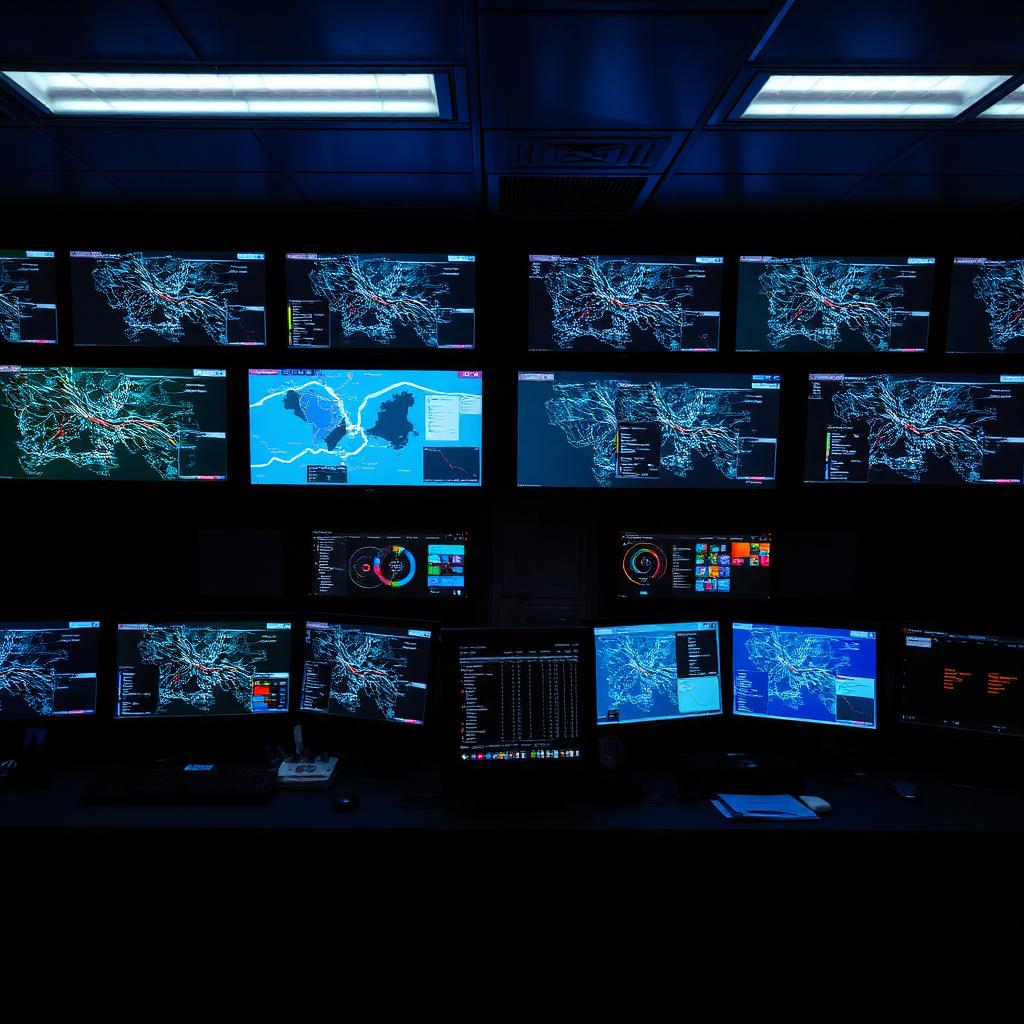
APAD, the Land Public Transport Agency, supervised the final clearance process. The big buckets of testing that pushed the schedule into mid 2026 included:
- Simulated peak hour runs. Multiple train sets running simultaneously at design speed to confirm the third rail traction system holds voltage and that headways stay stable under load.
- Emergency brake verification. Triggering the automatic train protection system at full speed to confirm braking distances match the design spec on wet and dry track.
- Platform screen door synchronisation. Confirming that every door pair aligns within tolerance at every station, on every train set, every single time.
- Failover testing. Cutting power, dropping radio links, and triggering signalling faults to confirm that the trains default to a safe state rather than a dangerous one.
- Fire and evacuation drills. Walking simulated passenger loads off stranded trains and through underground sections under emergency lighting.
The pattern with driverless metros around the world is that any one of these can add a quarter or more to a launch schedule. LRT3 hit several of them in sequence, which is how a late 2025 target became a mid 2026 reality.
Why Loke chose the extra months
The political calculus here was straightforward. A late launch is a one news cycle story. A signalling failure that strands trains in a tunnel on opening week is a multi year credibility hit for the entire Rapid KL network and for the Madani transport agenda. Loke and the ministry chose the boring outcome.
There is also a regulatory layer. APAD does not issue conditional approvals for passenger rail. Either the line passes the full battery of trials or it does not open. That removes any temptation to launch with a known issue and patch it later.
From a budget perspective, the extra months were not free. Every additional week of testing meant paying staff, energising the third rail, running empty train sets, and keeping contractors on standby. The ministry treated that overrun as the cost of doing the project properly, which is a healthier way to frame rail spending than treating any delay as automatic waste.
Broader transport safety initiatives
During the final LRT3 briefings, Loke also flagged a few wider transport safety initiatives that the ministry is pushing in parallel:
- The Malaysian Transport Safety Board (MTSB). An independent investigation body covering air, rail, road, and maritime incidents, modelled loosely on the US NTSB and the UK Air Accidents Investigation Branch.
- E-hailing dual facing dashcams. A proposal to standardise driver and passenger facing cameras across e-hailing fleets, with a clear policy on data retention to protect passenger privacy.
- Continuous CBTC upgrades. Funding to keep older LRT lines (Ampang, Kelana Jaya) on the same signalling generation as LRT3 over the next decade.
What it means for future rail projects
The LRT3 experience is going to shape how the ministry talks about MRT3, the Penang LRT, and any new commuter rail projects. Expect more conservative public timelines, longer announced testing windows, and fewer ribbon cutting promises tied to election years. That is a healthier baseline for a transport network that has to run safely for decades.
The takeaway
The LRT3 delay was a software and systems integration story, not a construction story. Anthony Loke chose to spend the extra months on testing rather than launch a driverless metro with known signalling issues, and APAD's inspection regime gave the ministry the cover to do that. The result is a system that opens late but opens safe, which is the only outcome that actually matters for a line meant to carry millions of passengers a year.
Frequently asked questions
Who is Anthony Loke?
Loke Siew Fook is Malaysia's Minister of Transport, serving in the Anwar Ibrahim cabinet. He is the DAP MP for Seremban and has held the transport portfolio in two governments.
How much did the LRT3 cost?
The project value is around RM21.93 billion after the cost review and scope changes.
Will there be more delays after opening?
No more launch delays, but Rapid KL will likely roll out the five in-fill stations gradually through 2028 as ridership data justifies them.
Is the line safe for daily use?
Yes. The APAD sign off means the system passed the full mandatory test battery, including emergency brake, failover, and evacuation drills.