Quick Answer
US date fruit sales are growing in 2026 because dates check three boxes the modern shopper actively looks for: a whole food snack that is naturally sweet, an ingredient that lets packaged brands replace refined sugar without losing flavor, and a pantry staple that fits cleanly inside plant based, paleo and Mediterranean style eating patterns.
Industry market reports for 2026 put the global date market on a path toward roughly $34 billion in valuation, with the United States as one of the faster growing regional buckets. Medjool dates are leading the consumer facing growth, while Deglet Noor and date based ingredients (paste, syrup, sugar) are driving the industrial demand inside food manufacturing.
The shopper level demand story
The retail picture is the easy half to see. Dates have moved out of seasonal holiday end caps and into permanent space in the dried fruit and healthy snacking aisles at mainstream supermarkets, club stores and natural grocers. The triggers are familiar.
- Whole food snacking pressure on candy and chocolate budgets.
- Strong nutrition profile per serving: dietary fiber, potassium, magnesium and a slower rise in blood sugar than refined sweets.
- A culinary fit with the Mediterranean diet pattern that has been near the top of US News diet rankings for years.
- Recipe content (date energy balls, date stuffed snacks, date sweetened baked goods) traveling fast on TikTok and Instagram.
None of these forces is new in 2026. What changed is that the food retail environment finally caught up. When the produce aisle gives dates year round shelf space at a steady price, repeat purchase rates climb and the category gets pulled into more recipes per household.
Why Medjool gets the headlines
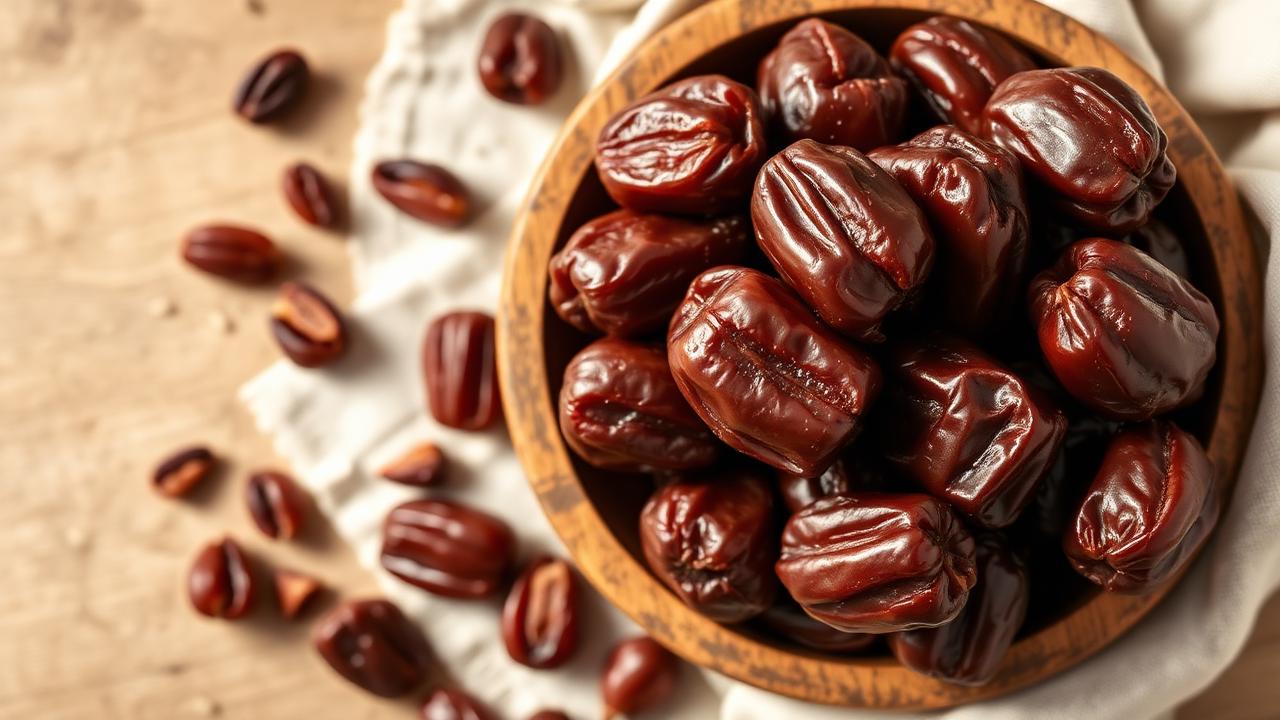
Medjool dates do the heavy lifting on the retail side. They are the variety most people picture when they hear the word date: large, soft, caramel toned, sold whole and usually pitted. They also command the premium price per pound that gives the category its real margin story.
Inside the projected 2026 variety mix, Medjool tends to land in roughly the 40 percent range of overall value, with Deglet Noor near 35 percent and the rest of the mix (Barhi, Zahidi, Khadrawy and specialty varieties) splitting what is left. Those numbers move year to year, but Medjool's lead has been consistent for the better part of a decade.
The industrial ingredient side
The faster growth story is happening behind the label. Food manufacturers are reformulating to chase the no added sugar claim and to clean up ingredient lists, and dates are one of the most flexible tools they have.
Where dates show up as an ingredient today:
- Energy and protein bars, replacing brown rice syrup or invert sugar.
- Plant based ice cream and frozen desserts, contributing both sweetness and body.
- Baby and toddler snacks that need a soft texture and a natural sugar source.
- Date syrup as a standalone pourable sweetener competing with maple and agave.
- Date sugar (dehydrated, ground dates) used in baking mixes that target a clean label claim.
Deglet Noor does most of this industrial work because it is firmer, dries more consistently and grinds into paste with predictable moisture content. It is rarely the variety a shopper picks up by name, but it is in more of the packaged products on the shelf than they realize.
What the market reports actually project
Recent market research coverage of the 2026 global date fruit market clusters around a few consistent numbers. The total category is being valued in the low to mid $30 billion range globally, with growth rates in the mid single digits compounded annually for the next several years. North America and Europe are projected as the faster growing demand regions, with Middle East and North Africa remaining the dominant production base.
The US specific slice has been one of the more dynamic regional stories because production is concentrated in California's Coachella Valley, which gives domestic brands a short supply chain and a year round California grown story to put on the front of the bag.
The health framing and where it gets oversold
The fair version of the date health pitch is straightforward. A serving of dates delivers fiber, potassium, antioxidants and a slower glycemic response than equivalent calories of refined sugar. They are a useful tool inside a balanced eating pattern.
The unfair version, which shows up in a lot of social media content, treats dates as a free pass. They are not low calorie and they are not low sugar. Two large Medjool dates carry roughly 130 calories and around 32 grams of total sugar, all naturally occurring. The right framing is that dates are a better choice than candy, not that they have no caloric impact.
Supply, pricing and where it could go wrong
The headwinds on the category sit on the supply side. Date palms are slow to scale because trees take years to reach full commercial yield, and weather events in the major producing regions move pricing meaningfully. The 2024 and 2025 seasons in parts of North Africa and the Middle East showed how a single bad year can ripple into US shelf prices six to nine months later.
For shoppers the practical effect is that Medjool prices have been creeping up in club store packaging, and that brands are leaning more on Deglet Noor in their bagged blends to keep retail price points stable.
Practical buying tips for shoppers
If you are stepping into the category for the first time, three quick habits help. Buy whole Medjool dates for snacking and Deglet Noor for cooking, because the texture and price difference actually map to how each variety performs. Check the harvest date on the package rather than just the best by date, since fresher dates have a softer chew and a more pronounced caramel note. And store opened packs in the refrigerator rather than the pantry once humidity climbs in summer, because dates are forgiving but not immune to surface crystallization.
For pantry use, date paste is the most useful single ingredient to keep on hand. A simple homemade paste (pitted dates blended with a splash of warm water until smooth) replaces sugar one to one in most baked recipes and adds fiber and minerals on top.
The takeaway
US date fruit sales are growing because the consumer story, the food manufacturer story and the diet trend story all point the same direction at the same time. Medjool drives the headlines and the shelf presence, Deglet Noor and date paste drive the quiet industrial reformulation, and the global market is on track for a low to mid $30 billion year in 2026. None of this turns dates into a magic food, but it does explain why the produce aisle keeps giving them more square footage every quarter.