Quick Answer
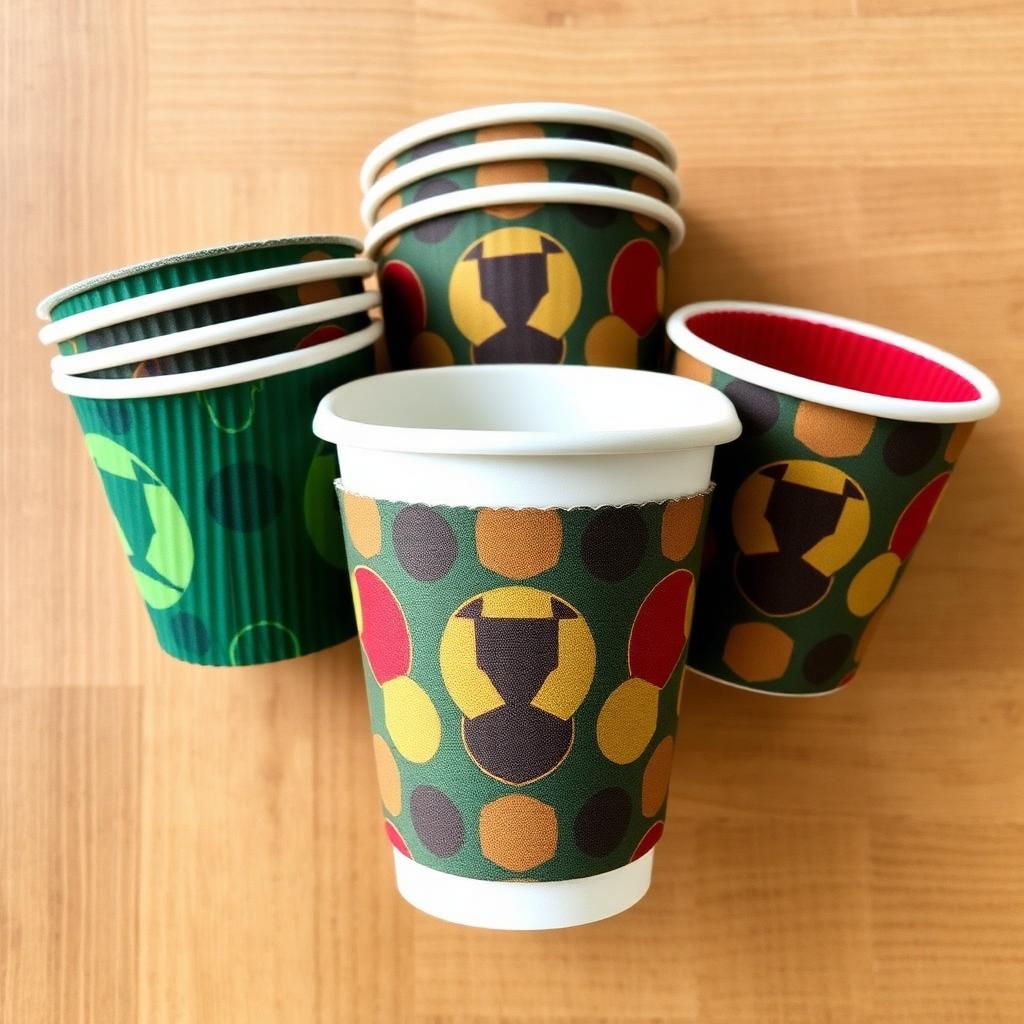
Starbucks World Cup sleeves are limited edition corrugated paper cup sleeves printed with tournament themed artwork and distributed only during the World Cup window in select regions. Because they are technically utility packaging, they were never sold separately, which makes original, undamaged sleeves a true scarcity item among Starbucks paper collectors.
The unlikely rise of a paper collectible
The corrugated cup sleeve was invented in 1993 by Jay Sorensen to protect drinkers' hands from hot cups without doubling the cup. For three decades it was the most overlooked part of a coffee order. Then global tournaments arrived, Starbucks started printing tournament themed sleeves in tournament host regions, and a small but committed fan community started collecting them the way baseball card fans collect rookie issues.
The 2026 FIFA World Cup release is the biggest run so far, with regional variants across North America, Mexico, and parts of Asia.
Why scarcity is built in
- Short window. Sleeves are only distributed during the tournament weeks. After the final, leftover stock is typically pulled and recycled.
- Regional artwork. Each host city or region gets a slightly different print. A complete set requires friends or proxy buyers across multiple cities.
- Damage risk. Most sleeves get crushed, stained, or thrown out within an hour of pickup. Pristine examples are rare by default.
- No retail listing. You cannot buy them. You can only acquire them by ordering a hot drink at the right time in the right region.
How to preserve one properly
If you want a sleeve to hold value, treat it the way you would a printed trading card or comic book.
- Pull it off the cup immediately. The longer the sleeve sits on a hot cup, the more moisture from condensation seeps into the cardboard and warps the fibres.
- Flatten gently. Slip the dry sleeve between two sheets of clean parchment paper and place inside a heavy hardcover book for 48 hours. Skip parchment and you risk transferring ink onto the book pages.
- Use acid free storage. Slide each flat sleeve into an archival polypropylene binder page. Avoid PVC, which off gasses chlorine compounds that yellow paper over months.
- Keep them cool and dark. UV light fades sleeve inks within a year if you leave them on a sunny shelf.
How to grade your sleeve
There is no formal grading system the way there is for sports cards, but collectors usually self grade with a simple scale.
- Mint. No creases, no stains, sharp edges, no glue marks. Came off the cup within seconds.
- Near mint. One faint crease or a tiny scuff. Most sleeves you carefully save fall here.
- Good. Visible crease line or a small ink rub. Still presentable.
- Poor. Stained, torn, or heavily creased. Reference only.
The 2026 design language
The 2026 FIFA World Cup sleeves lean on geometric shapes: stadium silhouettes, ball patterns, and confetti motifs in colours pulled from each host country (red, white, and green for Mexico; bright sky blue for parts of the United States; deep maple for the Canadian variant). Most sleeves carry a small tournament logo near the seam and the standard Starbucks logo on the opposite face.
What they are worth
Single sleeves in mint condition typically change hands for $4 to $12 on eBay and specialty Starbucks collector forums. Complete regional sets in archival sleeves have sold for $80 to $150 during peak tournament weeks. Prices usually settle within six months of the final whistle, then drift up again as new generations of collectors enter the hobby.
How to start a small collection without travelling
- Order a hot drink the first week of the tournament, even if you usually drink iced. Cold cups do not carry sleeves.
- Ask politely if the barista has unused sleeves from a different design batch. Some stores rotate through several variants.
- Trade duplicates with fans in other host regions through Reddit's Starbucks collector subreddit or dedicated Discord servers.
The takeaway
Paper cup sleeves are the most accessible Starbucks collectible there is: a 0 dollar entry point that rewards anyone who pays attention during a tournament window. Pull the sleeve off fast, press it flat, store it in acid free sleeves, and you have a piece of design history that costs nothing and takes up no shelf space.
FAQs about Why Are Starbucks World Cup Sleeves Collectible
How many sleeve designs are there in the 2026 release?
Across all host regions there are roughly a dozen distinct designs, with each major city or country getting one or two variants. Exact counts vary because some markets receive a unique local print on top of the global designs.
Can I buy sleeves online directly from Starbucks?
No. Sleeves are utility packaging and have never been sold separately. They come only with hot drink orders at participating cafes during the tournament window.
What is the best way to store a flat sleeve?
Acid free polypropylene binder pages designed for trading cards or photographs. They protect the print from UV, dust, and air pollutants without leaching chemicals into the cardboard.
Do cold cup carriers carry the same tournament design?
Often yes, but the cold cup carrier and the hot cup sleeve are different formats. Collectors who want a complete set track both, and the cold carrier is typically the rarer of the two.
Will the value of these sleeves go up?
Limited paper items historically appreciate slowly as supply decays. Mint examples in archival storage tend to hold or gain value over a five to ten year horizon, but they are never a fast moving asset.
How to display a sleeve collection
The best display method is a flat lay inside a glass topped shadow box. Use small archival photo corners to hold each sleeve in place without adhesive. Mount the frame away from direct sunlight to prevent ink fade, and add a small printed card noting the tournament year and host city for each design.
If you have a larger collection, a binder with acid free pages is more practical than a wall display. Sort by tournament first, then by host region, then by design variant.