Quick Answer
French schools are painting their windows with Blanc de Meudon, a traditional chalk and water mixture, to reflect sunlight before it hits the glass and keep classrooms cooler during the late June 2026 heatwave. The technique is cheap, easily reversible with water in autumn, and used in buildings that have no air conditioning.
Alongside the chalk coatings, the French government has pledged 130 million euros (roughly $190 million at current exchange) to fast track cooling and insulation upgrades across vulnerable schools and other public buildings.
What Blanc de Meudon Actually Is
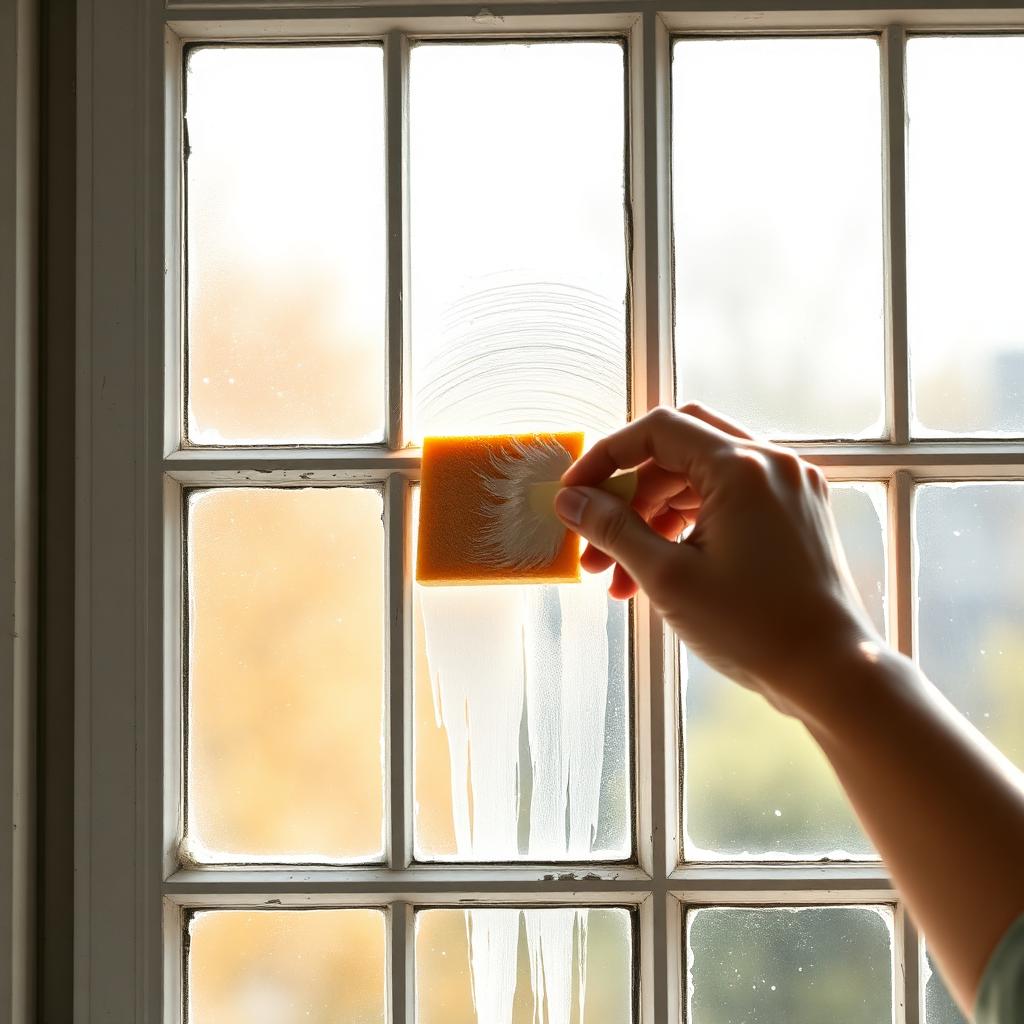
Blanc de Meudon is a finely ground natural chalk (calcium carbonate) sold in powder form across French DIY shops and traditionally used for cleaning glass, polishing metals and matt finishing wood. Mixed with water into a thin paste, it can be brushed or sponged directly onto window glass to form a white, semi opaque coating that dries quickly.
The same product has been used in greenhouses for decades to shade plants during summer peaks. The school use is a direct adaptation of that horticultural trick, scaled up to whole classroom buildings.
Why It Works Against Heat
Sunlight that hits an untreated window passes through the glass and is absorbed by the floor, the desks and the walls inside, where it converts to heat. A white chalk coating reflects and scatters a significant share of that incoming sunlight before it can enter the room. Less radiant energy crossing the glass means a slower indoor temperature rise during the hottest hours.
It does not turn an uninsulated classroom into an air conditioned one, but in buildings without AC it can shave several degrees off peak afternoon temperatures, which is the difference between a tolerable lesson and a school closure.
Why It Took Off This Week
Late June 2026 has brought a severe heat dome to Western Europe, with temperatures pushing past 40 C in parts of France and emergency rooms in Paris reporting dangerous overcrowding. Heritage sites including the Louvre have cut hours, the annual Paris Pride march was postponed, and local authorities have restricted public alcohol consumption to reduce heat related emergencies.
Most French households and public buildings, including the majority of school buildings, do not have central air conditioning. The country's building stock is older, thermally heavy and historically designed for the opposite problem: keeping winter heat in. With AC absent and classroom temperatures climbing into the danger zone, parents and school teams have turned to low cost, immediately deployable workarounds.
What Parents Are Actually Doing
The standard playbook in affected schools includes:
- Chalk coating outward facing windows. Apply Blanc de Meudon mixed with water by sponge or brush in the early morning, focusing on the south and west facing classrooms that catch the most afternoon sun.
- Pinning up emergency thermal blankets. Reflective foil rescue blankets are stretched over the inside of windows where chalk is not enough.
- Closing shutters early. Shutters are closed before the sun reaches the facade, not after the room is already hot.
- Opening windows overnight. Where security allows, classrooms are aired out overnight to flush stored heat from the walls and floor.
None of these is a substitute for proper passive cooling design or AC. They are stop gap measures that parents and teachers can deploy without waiting for capital works.
The Government's 130 Million Euro Package
Economy Minister Roland Lescure has announced a 130 million euro package (about $190 million) aimed at retrofitting schools and other vulnerable public buildings. The funds are targeted at sustainable upgrades that go beyond chalk coatings: better insulation, green roofs that buffer heat exchange, and energy efficient cooling systems sized for short, intense heat episodes rather than continuous use.
The package is partly a recognition that chalk and survival blankets have become the visible symbol of a deeper infrastructure problem. France has spent the last decade adapting heating systems for winter; the next decade has to do the same for summer.
Does Chalk Actually Work, or Is It Symbolic
The horticultural and historical evidence on chalk window shading is real. Greenhouse operators have used the technique for years because it measurably reduces peak interior temperatures. School level results are not as rigorously measured, but anecdotal classroom readings reported by French parent groups and local media show several degree reductions on coated rooms compared to uncoated rooms in the same building.
The most accurate framing is that chalk shading is a real, low cost intervention with measurable effect, deployed because the higher impact interventions, AC, insulation, shading hardware, are not in place. It is not a substitute for those interventions.
When the Chalk Comes Off
Blanc de Meudon is water soluble. Once the heat dome breaks and the autumn light returns, the chalk wipes off with a wet sponge or a hose. That reversibility is part of why the technique works in heritage buildings: it does not change the glass, the frames or the building fabric, and it leaves no residue.
Bottom Line
French schools are painting their windows with Blanc de Meudon because the June 2026 heatwave is dangerous, most schools have no AC, and a traditional chalk coating is the fastest, cheapest way to shade a classroom this afternoon. The new 130 million euro government package is meant to build the durable cooling infrastructure that should make the chalk unnecessary in future summers.