Quick Answer
Specially Selected is an exclusive private label brand owned by ALDI. You only find it on ALDI shelves, and it sits at the top of the chain's tiered own brand strategy, above the everyday ALDI staples.
The food itself is produced by a rotating roster of contract manufacturers and regional cooperatives that often run the same lines for nationally branded gourmet products. ALDI sets the spec, the suppliers fill the bottles, jars, and boxes.
Whose names sit on those factory contracts is kept under tight non disclosure agreements.
The brand belongs entirely to ALDI
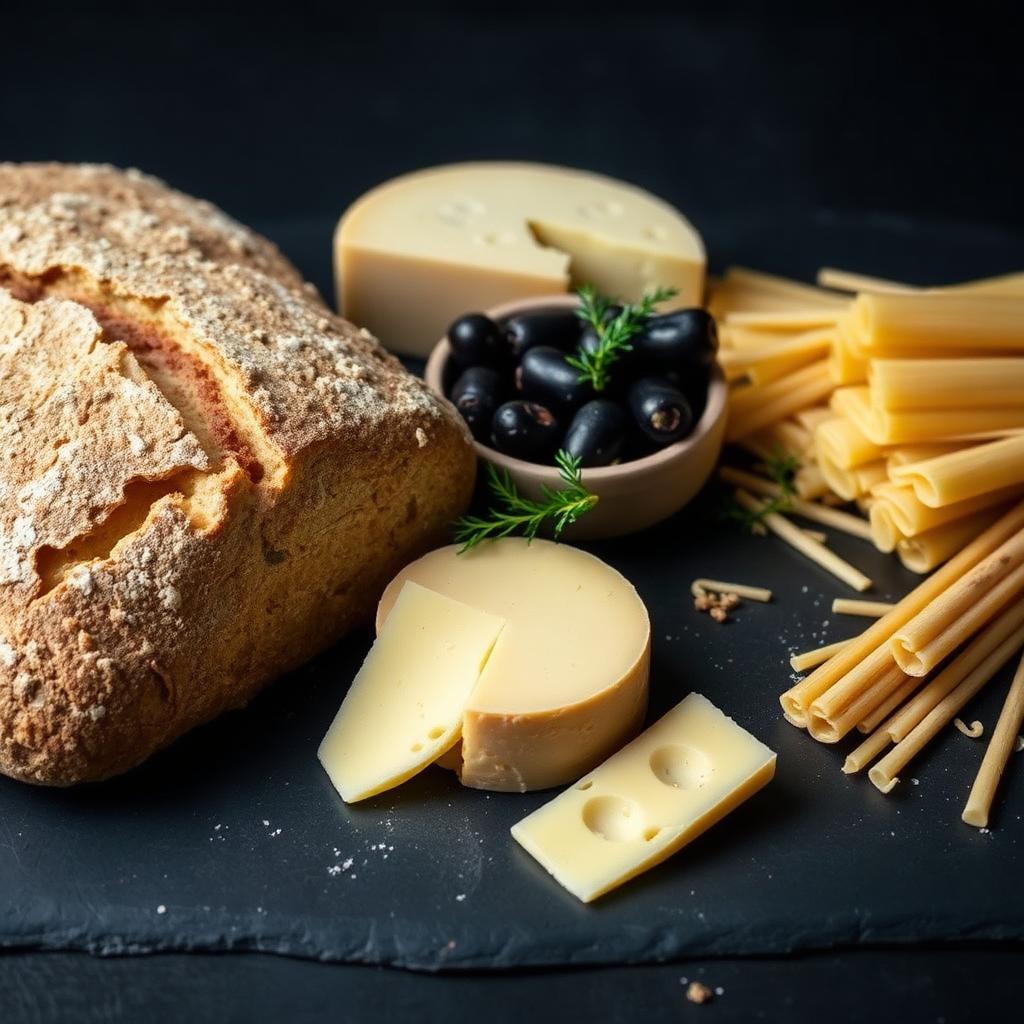
ALDI runs Specially Selected as its premium tier private label across the United States, United Kingdom, Ireland, Australia, and several European markets. The line includes wood fired pizzas, brioche buns, aged cheeses, single origin coffees, charcuterie, and frozen desserts.
The recognisable black packaging with serif typography is a deliberate signal to shoppers that the contents compete with named gourmet brands at roughly half the price.
How the supply chain actually works
ALDI does not own a single factory or farm in the conventional sense. Instead, the chain uses a contract manufacturing model that has become standard across the global grocery sector.
- ALDI's buyer team writes a tight specification covering ingredients, origin, packaging, and shelf life.
- The spec goes to qualified suppliers, often ones that already produce similar items for named brands.
- The supplier wins the contract by hitting the price and quality target, then runs ALDI's product on the same lines as their other clients.
- The finished case carries the Specially Selected design with the legally required statement of address ("Made in...") but rarely names the actual factory.
Why the manufacturer stays anonymous
Both sides have reasons to keep the supplier names quiet.
- Brand protection. A premium gourmet brand selling its excess line capacity to ALDI does not want shoppers to realise the two products are made in the same building.
- Pricing power. If the supplier name were public, the premium brand could not justify the markup on its own version.
- Contract flexibility. ALDI can switch suppliers without disrupting customer trust, because shoppers buy the Specially Selected brand, not the factory behind it.
- Negotiation leverage. Anonymity also gives ALDI room to renegotiate aggressively at contract renewal.
How ALDI keeps quality high
The chain's premium tier holds up at retail because of three structural choices.
- Tight ingredient specs. Specially Selected products often require protected designations such as Parmigiano Reggiano DOP or Prosciutto di Parma PDO.
- No artificial colours or flavours. The line's own brand standard cuts most synthetic additives that creep into mainstream private label.
- Blind taste panel testing. Buyer teams regularly run head to head taste tests against the leading named brand and only stock items that meet or beat it.
That structure has helped Specially Selected win product of the year style awards across multiple categories in the UK and US.
Where Specially Selected sits in ALDI's lineup
| Tier | Position | Examples |
|---|---|---|
| Everyday own brand | Core value range | Friendly Farms milk, Millville cereals |
| Specialty | Niche or international | Simply Nature organics, Earth Grown vegan |
| Specially Selected | Premium / gourmet | Brioche buns, single origin coffee, aged cheese |
How to tell a real Specially Selected item
Counterfeits are rare because the brand is shelf exclusive, but the consistent design cues help shoppers spot it on the shelf.
- Matte black or deep navy packaging.
- Gold or copper foil accents on the logo.
- Serif typography paired with a small photographic ingredient illustration.
- The "Specially Selected" wordmark sitting above a category descriptor like "Artisan Brioche".
Bottom line
The label belongs to ALDI, and that is the only company you can reliably name. The factories behind it shift over time and are intentionally kept off the packaging. The model gives shoppers a near gourmet experience at a fraction of the price, while the suppliers protect their own retail margins. Everybody in the chain has a reason to keep things quiet, which is exactly why the brand has stayed quietly successful for over a decade.
How the range expands and contracts
Specially Selected is not a fixed catalogue. ALDI rotates seasonal items in and out, especially around major holidays and harvest cycles. Autumn brings pumpkin and maple flavoured launches, late spring brings barbecue ready meats and grilling sauces, and Christmas typically triples the size of the line for six to eight weeks.
Some products run as one off "Specialbuys" and never return, while others quietly graduate into the year round range after consistent sell through. If you find an item you like, it is usually worth buying a backup, because the next shelf set might replace it with something new. That rotation is part of what keeps the brand feeling fresh and discovery led rather than predictable.
Frequently asked questions
Can I buy Specially Selected outside ALDI?
No. It is sold exclusively in ALDI stores worldwide.
Is Specially Selected actually high quality?
For most items, yes. Independent taste tests and consumer awards consistently rate it on par with mainstream premium brands.
Who owns ALDI?
ALDI is split into ALDI Nord and ALDI Sud, both privately held by branches of the Albrecht family in Germany.
Are Specially Selected products organic?
Some items are certified organic, but the brand is positioned around quality and provenance rather than organic certification specifically.