Quick Answer
The best time to visit Yellowstone depends on your priorities, but late May or September generally offer the ideal balance. During these shoulder seasons, most park roads are open to vehicles, the weather is manageable for hiking, and the crowds are significantly smaller than the peak summer rush. These months provide the best opportunities for spotting grizzly bears, wolves, and bison calves while ensuring access to major attractions like Old Faithful and the Grand Canyon of the Yellowstone.
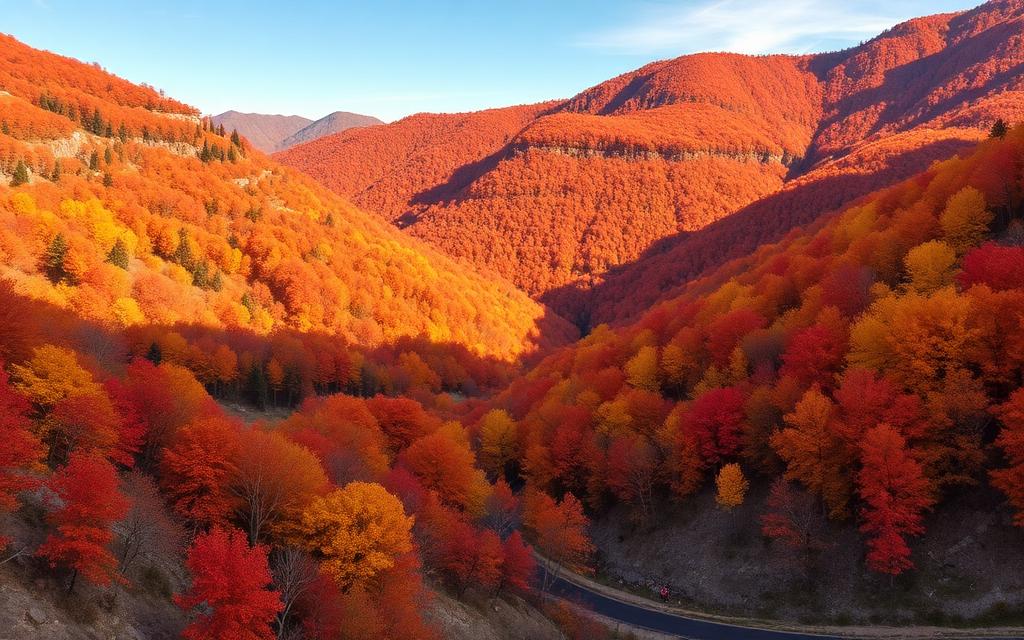
If your goal is to avoid traffic and secure lodging, late September is particularly rewarding as elk begin their rutting season. However, those seeking a winter wonderland should aim for January or February, when the park transforms into a snowy landscape accessible via snowcoach or snowmobile. Choosing the best time to visit Yellowstone requires weighing the accessibility of interior roads against your tolerance for large crowds and varying weather conditions.
Road Plowing Schedules and Interior Vehicle Access
Yellowstone operates on a strict seasonal schedule regarding its road systems. Most park roads close to regular vehicles in early November to prepare for the winter season, during which only the road from the North Entrance at Gardiner to the Northeast Entrance at Silver Gate remains open year round. This stretch allows visitors to access the famous Lamar Valley even in the deepest winter months. Plowing typically begins in March, with internal roads opening in phases starting in mid to late April. The road from West Yellowstone to Old Faithful is usually the first to open, followed by the Canyon and Mammoth areas.
Visiting in early May presents a unique experience because some high altitude passes, such as Dunraven Pass, may remain closed until late May or early June due to heavy snowpack. If you plan your trip for late May, you are almost guaranteed that all primary arteries are clear of snow. It is essential to monitor the official National Park Service road status reports, as late spring snowstorms can cause temporary closures even after roads have officially opened for the season. Understanding these logistics is vital for navigating the park effectively without long detours around closed mountain passes.
By late October, the park begins to wind down. Services like gas stations and general stores start closing their doors, and snow starts to accumulate on the roads once more. If you travel during this transitional period, you must be prepared with a high clearance vehicle and potentially snow tires or chains. The unpredictable nature of mountain weather means the best time to visit Yellowstone for driving is between June and September, when the risk of road closures is at its absolute lowest and the entire 142 mile Grand Loop Road is fully accessible.
Wildlife Activity and Seasonal Migration Patterns
For wildlife enthusiasts, timing is everything. Spring, specifically May and June, is the peak season for seeing newborn animals. This is when bison calves, affectionately known as red dogs due to their orange tint, are highly visible in the Hayden and Lamar Valleys. Grizzly and black bears also emerge from their dens during this time, often foraging for winter killed carcasses or fresh spring grasses near the roadsides. This period offers some of the highest density viewing opportunities, as animals stay at lower elevations where the grass is greenest and the snow has melted first.
As the summer heat increases in July and August, many large mammals move to higher, cooler elevations, making them slightly harder to spot from the main road corridors. However, this is the prime time for bird watching and seeing pronghorn antelope in the flatter basins. The dynamic shifts again in September during the elk rut. The Mammoth Hot Springs area becomes a hub of activity as bull elk bugle to defend their harems. The sound of bugling elk echoing through the park is a quintessential Yellowstone experience that attracts thousands of visitors every autumn.
Winter offers a starkly different wildlife experience. While bears are hibernating, the contrast of dark fur against white snow makes wolves and foxes much easier to track. Bighorn sheep are often seen near the North Entrance during the colder months as they descend from the peaks to find food. Because there are fewer people and less noise, the behavior of the animals feels more primal and undisturbed. For many, the best time to visit Yellowstone for serious photography and observation is during these quieter, colder months when the animals are the primary residents.
Geyser Viewing and Hydrothermal Dynamics
Yellowstone contains over half of the world's geysers, and their activity can be influenced by the seasons in subtle ways. During the cold winter months, the steam from the hot springs and geysers becomes much more dramatic. The cold air causes the steam to billow into massive clouds, sometimes creating ghost trees coated in rime ice from the freezing mist. Viewing Old Faithful or the Grand Prismatic Spring in the winter offers a surreal, ethereal aesthetic that you simply cannot find during the warmer months of the year.
In the spring, increased runoff from melting snow can sometimes affect the clarity of certain pools or the timing of specific geyser basins. However, the water table remains high, ensuring that most features are active. The boardwalks around the Upper Geyser Basin and Norris Geyser Basin are generally clear of snow by late May, allowing for easy walking. One advantage of visiting in the shoulder seasons is the ability to wait for a geyser eruption without standing in a massive crowd. During the peak of July, the viewing area around Old Faithful can feel like a packed stadium, which may detract from the natural wonder.
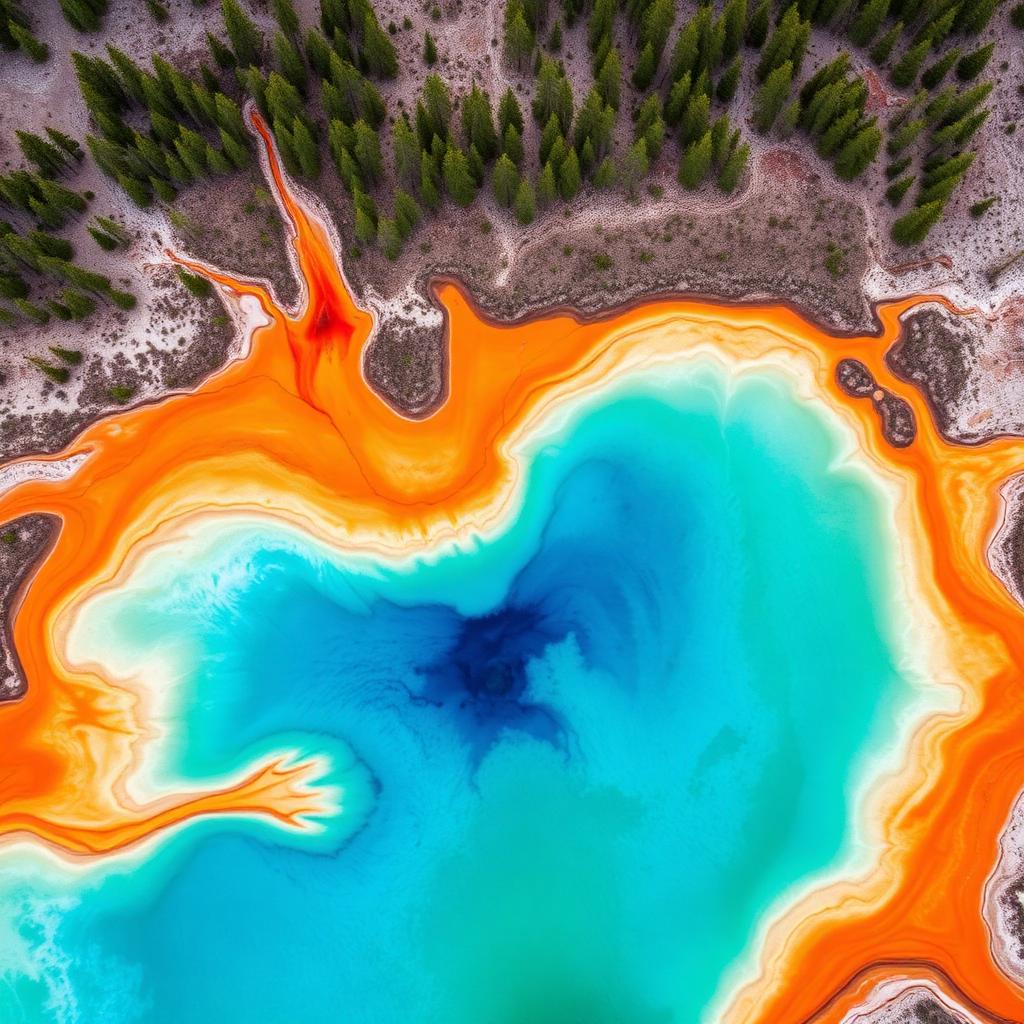
Late summer and autumn provide the most stable conditions for exploring the boardwalks. The air is clear, and the colors of the thermophilic bacteria in pools like Morning Glory or Grand Prismatic are exceptionally vibrant under the direct summer sun. If you want to photograph the brilliant oranges and blues of the hydrothermal features, August and September provide the best light and the least amount of obstructive steam. Regardless of the month, the geysers remain the heart of the park, though the visual presentation changes from misty and mysterious in winter to bright and vivid in summer.
Wolf Watching in the Lamar Valley
The Lamar Valley, often called the Serengeti of North America, is the premier location for wolf watching. While wolves are present year round, the best time to visit Yellowstone specifically for wolf sightings is during the winter. With the absence of leaves on the trees and a thick blanket of white snow, the dark coats of the wolves stand out clearly even at long distances. Professional spotters and enthusiasts gather along the road with spotting scopes, and the community is generally very eager to help newcomers catch a glimpse of a pack on the move.
Spring is another excellent time for wolf viewing, as the packs are often active near their dens. The birth of new pups in April means that by May and June, there is significant activity centered around the denning sites as the adults bring food back to the young. However, visitors must maintain a strict distance of at least 100 yards from wolves and bears to ensure the safety of both the animals and the humans. The Lamar Valley remains open to vehicle traffic all year, making it the most reliable spot for those who do not want to take a snowcoach but still want to see apex predators.
During the mid summer months, wolf activity tends to occur very early in the morning or late in the evening when temperatures are cooler. If you visit in July, you should plan to be in the Lamar Valley by dawn to have the best chance of seeing a hunt or pack movement. By late September and October, the wolves become more active during the daylight hours again as they follow the migrating elk herds. The social dynamics of the packs are fascinating to observe, and the Lamar Valley provides the wide open vistas necessary for long range viewing.
Entry Reservations and Lodging Strategy
Securing a place to stay is often the most difficult part of planning a trip to Yellowstone. Lodging within the park, such as the historic Old Faithful Inn or the Lake Yellowstone Hotel, often fills up twelve months in advance. If you are aiming for the best time to visit Yellowstone in terms of availability, look toward the very beginning or end of the season. Early May and late October are the easiest times to find last minute cancellations, though many park facilities may be operating with limited staff or services at those times.
For those who cannot secure in park lodging, the gateway towns of West Yellowstone, Montana, and Gardiner, Montana, offer numerous hotels and short term rentals. Staying in Gardiner is particularly advantageous for winter trips because it provides direct access to the only year round road in the park. West Yellowstone is the primary hub for snowcoach tours into the interior. During the summer peak, even these gateway towns can reach full capacity, and prices typically rise significantly. Booking at least six to nine months ahead is recommended for any summer visit.
Camping is another popular option, with a mix of reservation based and first come, first served campgrounds. The larger campgrounds like Canyon and Grant Village typically open in June and close by September. If you are camping, be prepared for freezing temperatures even in the middle of summer. Yellowstone sits at a high elevation, and it is common for overnight lows to drop into the 30s during July. Always check the reservation system well in advance, as the park has moved toward a more centralized booking platform for most sites to manage the high volume of interest.
Frequently Asked Questions
Is Yellowstone open in the winter?
The park remains open, but most interior roads are closed to private vehicles and require a snowcoach or snowmobile for access, except for the road between the North and Northeast entrances.
When is the best month to avoid crowds?
September is widely considered the best month to avoid the largest crowds while still enjoying most park amenities and pleasant weather for hiking and sightseeing.
Are there entry reservations required?
While Yellowstone has tested various traffic management systems, it currently does not require entry time reservations, though this policy can change, so you should always check the official park website before traveling.
Can I see bears in the winter?
No, bears in Yellowstone typically hibernate from November through March or April, so you are very unlikely to see them during the winter months.
Bottom Line
The best time to visit Yellowstone is during the shoulder months of May and September. These periods offer the greatest opportunity to witness the park's diverse wildlife, from grizzly bears to bugling elk, without the overwhelming congestion of the summer months. Whether you are navigating the scenic Grand Loop Road or watching a wolf pack in the Lamar Valley, planning around the seasonal road openings and animal migrations ensures a much more profound and personal experience in America's first national park.