Quick Answer
The best time to visit Portugal generally spans from late spring in May and June to the early autumn month of September. During these periods, the weather remains reliably warm and sunny across most regions without reaching the intense heat levels found in July and August. You will find that major attractions in Lisbon and Porto are less crowded, and accommodation prices can be significantly lower than peak summer rates.
For visitors focusing on specific activities, timing varies by interest. Beach seekers should prioritize June through September for warm Atlantic waters in the Algarve. Surfers often prefer the powerful swells of October and November, while wine enthusiasts will find late August through September ideal for seeing the Douro Valley harvest. Overall, the shoulder season offers the most balanced experience for sightseeing, dining, and outdoor exploration throughout the country.
Regional Climate Variations from Porto to the Algarve
Portugal features a diverse climate that changes significantly as you move from the rainy north to the arid south. In Porto and the northern regions, the influence of the Atlantic Ocean brings cooler temperatures and higher rainfall, particularly from October through March. If you visit Porto in May or June, you can enjoy mild temperatures perfect for walking the hilly streets of the Ribeira district. The north is lush and green, but it requires a light jacket even in the summer months because of the cool evening breezes that roll off the Douro River.
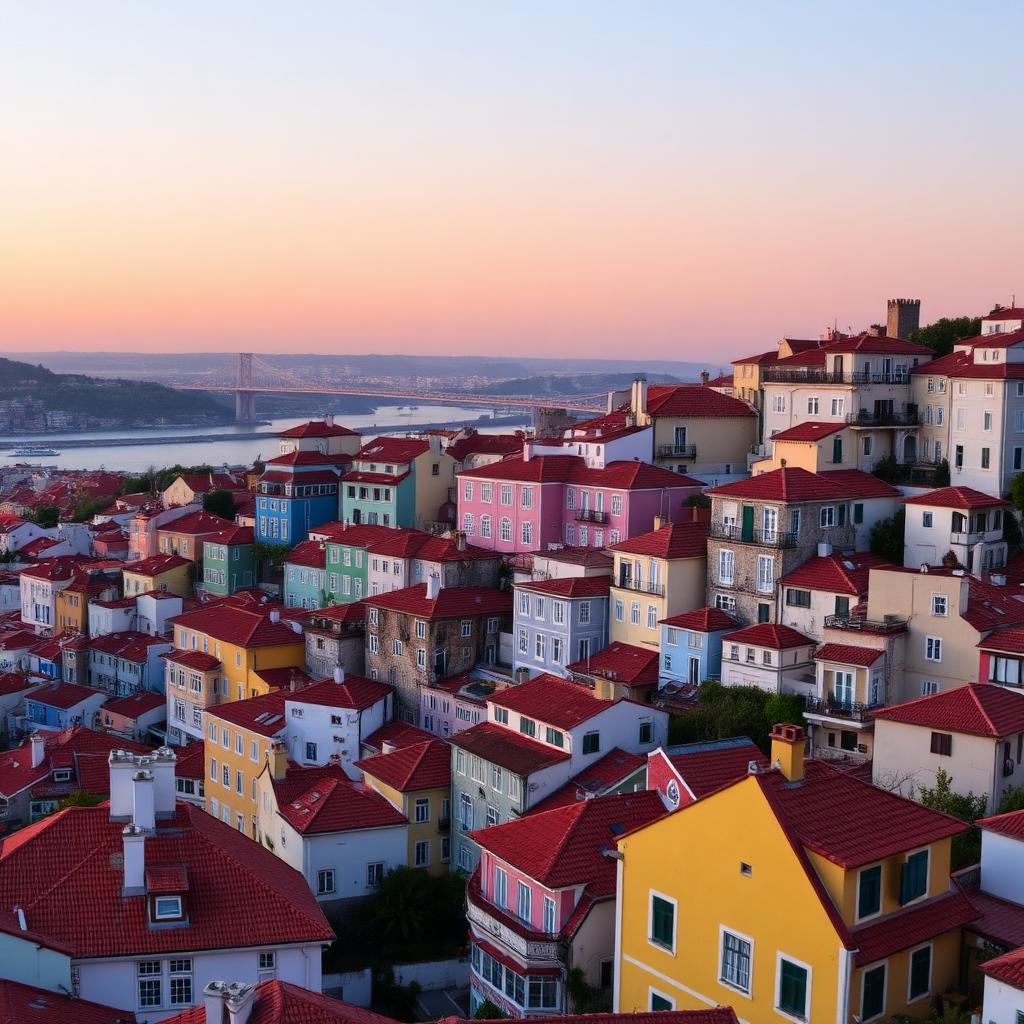
Central Portugal, including the capital city of Lisbon, enjoys a Mediterranean climate with long, hot summers and mild winters. July and August can see temperatures climbing toward 90 degrees Fahrenheit, which makes city sightseeing strenuous during midday. The best time to visit Portugal if you are focused on Lisbon is during the spring months of April and May when the jacaranda trees bloom in purple hues across the city squares. Winters in Lisbon are rarely freezing, but the humidity can make the air feel damp, so a waterproof layer is essential for winter travel.
The Algarve region in the south represents the sunniest part of the country, boasting over 300 days of sunshine per year. Even in January, daytime temperatures often reach 60 degrees Fahrenheit, making it a popular retreat for those escaping colder northern climates. However, the ocean remains quite cold until late June. While the Algarve is the most popular summer destination, the heat in August can be oppressive for anyone not planning to stay in the water. I recommend visiting the south in September when the ocean has finally warmed up, but the massive summer crowds have started to disperse.
Island Weather in the Azores and Madeira
The Atlantic archipelagos of the Azores and Madeira operate on their own meteorological schedules, distinct from mainland Portugal. Madeira is often called the island of eternal spring because its temperatures remain remarkably consistent throughout the year, generally hovering between 65 and 75 degrees Fahrenheit. This makes Madeira a fantastic year round destination, though the winter months see more rainfall in the mountainous interior. The famous Flower Festival in Funchal takes place in late spring, marking one of the most vibrant times to explore the island botanical gardens.
The Azores are more temperamental and are known for experiencing four seasons in a single day. The best time to visit Portugal if you are heading to these islands is between June and September to maximize your chances of clear skies for hiking and whale watching. During the winter, the islands are frequently shrouded in mist and heavy rain, which can lead to flight cancellations and obscured views of the iconic volcanic lakes. Even in the height of summer, a light rain jacket is a necessary packing item for the Azores because of the high humidity and sudden tropical showers.
Visiting the islands requires a different mindset than a city break in Lisbon. Because the weather is so variable, travelers should build flexibility into their itineraries. In the Azores, the peak summer months are also the best time for sea excursions, as the water is calmer for boat trips to see sperm whales and dolphins. Madeira, conversely, is a world class destination for winter hiking along the levadas, as the waterfalls are at their most powerful following the seasonal rains of November and December.
The Festival Calendar and Cultural Events
Timing your trip to coincide with local festivals provides a deep look into Portuguese culture and traditions. The most famous celebrations occur in June during the Festas Santos Populares. Lisbon transforms during the Feast of Saint Anthony on June 12 and 13, where the smell of grilled sardines fills the air and street parties last until dawn. Shortly after, Porto celebrates the Festa de Sao Joao on June 23, characterized by people hitting each other with plastic hammers and releasing illuminated sky lanterns over the river. These festivals represent the best time to visit Portugal for a high energy, authentic cultural experience.
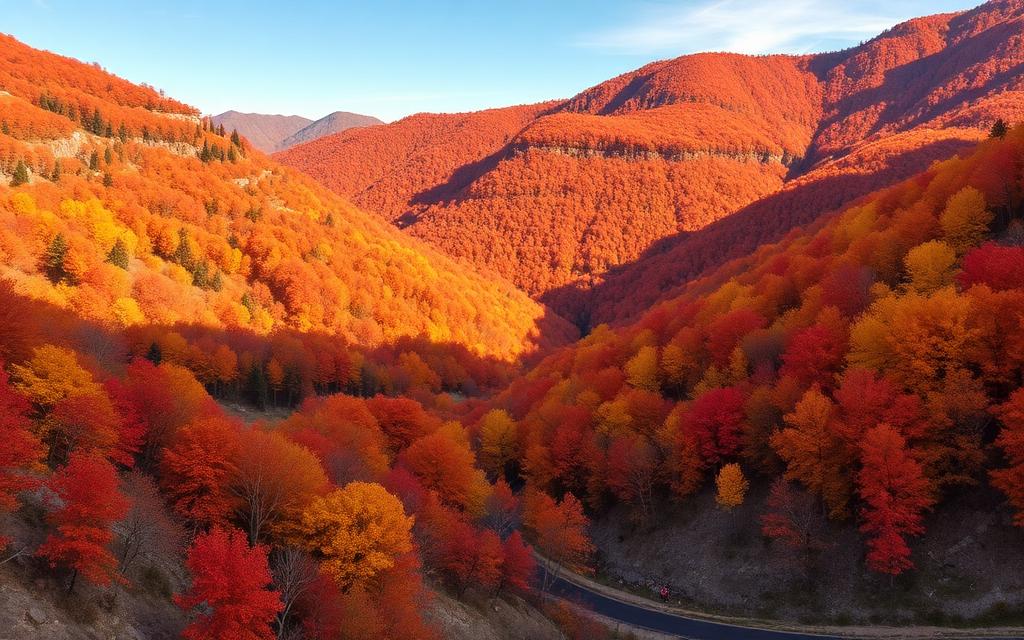
In the autumn, the focus shifts to the harvest, especially in the Douro Valley. The wine harvest, or vindima, typically takes place in September. This is a spectacular time to visit the terraced vineyards as the leaves start to change color and many wineries allow guests to participate in the traditional grape treading. It is a sensory experience that combines the natural beauty of the valley with the historical craft of port wine production. Be aware that hotels in the Douro Valley fill up months in advance for the harvest season, so early booking is a requirement.
Winter is not without its charms, particularly during the Christmas and New Year period. Funchal, Madeira, is famous for one of the largest fireworks displays in the world on New Year Eve, attracting cruise ships and visitors from across the globe. Meanwhile, the Carnival season in February brings parades and costumes to towns like Torres Vedras and Loule. While these winter events are smaller than the summer festivals, they offer a more intimate look at local life without the overwhelming presence of international tour groups found in the summer.
Surf Seasons and Outdoor Adventure Timing
Portugal is a premier global destination for surfing, and the optimal window depends entirely on your skill level. For beginners, the summer months from June to August provide smaller, more manageable waves and warmer water, though a wetsuit is still required. The beaches around Peniche, Ericeira, and Sagres are ideal during this time for lessons and consistent, gentle breaks. However, experienced surfers generally consider the autumn and winter months to be the best time to visit Portugal for world class swells.
From October through March, the North Atlantic delivers powerful storms that create massive waves along the coast. Nazare becomes a focal point for the surfing world during this time, as the undersea canyon produces some of the largest waves ever ridden. Even if you are not a surfer, visiting Nazare in November to watch the big wave chargers from the lighthouse is a breathtaking experience. The weather during these months can be fierce and windy, but the raw power of the ocean is a sight that few other places in Europe can match.
For hikers and cyclists, the transition months of April, May, and October are the most comfortable. The Rota Vicentina and the Camino Portugues can be grueling in the July heat, as there is often little shade along the coastal paths. Spring brings a blanket of wildflowers to the Alentejo countryside, while October offers cooler air and stable conditions. If you are planning to hike the challenging trails in the Peneda Geres National Park, the late spring is best to ensure the paths are dry but the waterfalls are still flowing vigorously from the winter snowmelt.
Off Season Pricing and Strategic Budgeting
Traveling to Portugal during the off season, which typically runs from November through March, can result in significant savings on both flights and accommodation. Luxury hotels in the Algarve and Lisbon often drop their prices by 40 to 50 percent compared to their August peaks. While you might not be able to swim in the ocean, you can enjoy high end amenities and five star service for the price of a budget hotel in the summer. This is an excellent time for food lovers to visit, as tables at Michelin starred restaurants are easier to secure and the seasonal seafood remains excellent.
The shoulder months of May and September offer a middle ground for budget conscious travelers. While prices are higher than in the dead of winter, they remain lower than the July spike. During these months, budget airlines like Ryanair and EasyJet frequent major hubs like Lisbon, Porto, and Faro with affordable fares from other European cities. I have found that booking three to four months in advance for a September trip often yields the best balance of flight availability and reasonable pricing. Small guesthouses and boutique stays in the interior of the country also tend to have more flexible rates during these shoulder periods.
It is important to note that some tourist oriented businesses in smaller coastal villages may close during the deep winter months of January and February. In the Algarve, some resort towns can feel quite empty, which might be a pro or a con depending on your preference for solitude. For the best value, consider visiting the Alentejo region in the spring. You will find incredible rural estates and wine hotels at a fraction of the cost of similar accommodations in more famous European wine regions, all while enjoying the fresh produce and lack of crowds that define the Portuguese countryside.
Frequently Asked Questions
When is the cheapest month to fly to Portugal?
November and January are typically the most affordable months to fly into Lisbon or Porto, as tourist demand is at its lowest during the winter. You can often find significant discounts on transatlantic flights during these months if you book at least six weeks in advance.
Can you swim in the ocean in Portugal during the winter?
The Atlantic Ocean remains quite cold even in the summer, and in the winter, temperatures drop to around 55 to 60 degrees Fahrenheit. While some locals might go for a quick dip, most visitors will find the water far too cold for swimming without a thick wetsuit.
Is Portugal crowded during the summer?
Yes, June, July, and August are extremely busy, especially in the Algarve, Sintra, and the historic centers of Lisbon and Porto. Popular sites like the Pena Palace can have very long wait times, and it is highly recommended to book all tickets and restaurant reservations well in advance during this period.
What is the rainiest month in Portugal?
December is generally the rainiest month across the country, particularly in the northern regions and the Azores. If you are visiting during the winter, the north will be significantly wetter than the Algarve, which remains relatively dry even during the colder season.
Bottom Line
The best time to visit Portugal is during the shoulder seasons of May, June, and September. These months provide the ideal combination of manageable crowds, pleasant temperatures for both city walking and beach lounging, and moderate pricing. Whether you are hunting for big waves in the winter, attending vibrant street festivals in June, or exploring the Douro harvest in September, Portugal offers a diverse range of seasonal highlights that cater to every type of traveler year round.