Quick Answer
The best time to visit Japan is generally considered to be during the spring months of late March to early April and the autumn months of October and November. During these periods, the country experiences mild temperatures, clear skies, and relatively low humidity. I have found that these seasons provide the most comfortable walking weather for exploring major cities like Tokyo and Kyoto while offering iconic natural displays.
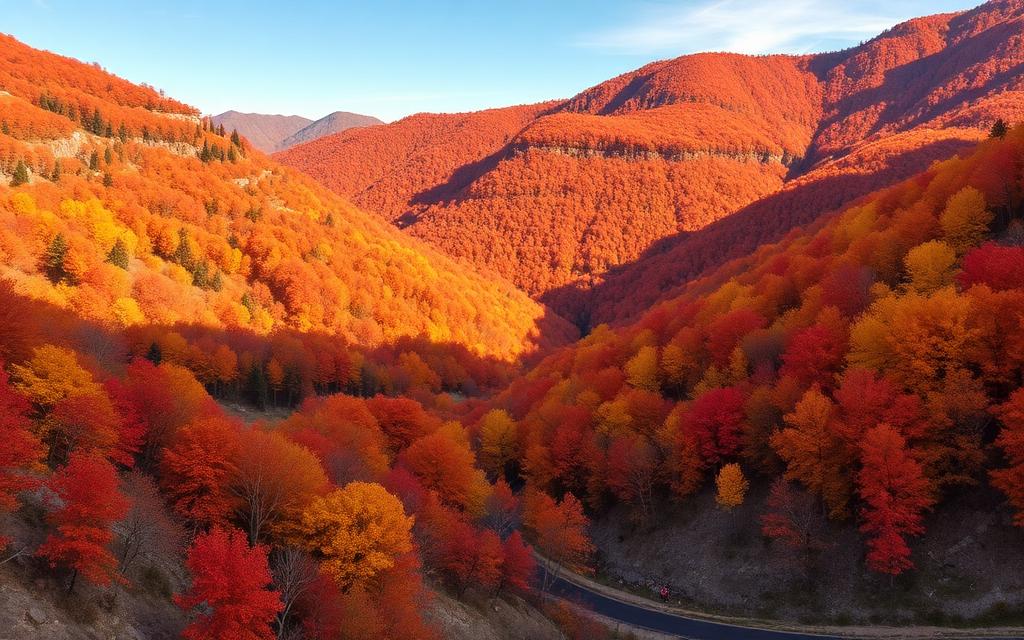
While spring is famous for the delicate cherry blossoms, autumn draws visitors with its vibrant fiery foliage. Travelers should be aware that these peak seasons attract the largest crowds and have the highest accommodation rates. If you prefer to avoid the masses and save on costs, the shoulder seasons of late May or early December provide a balance of pleasant weather and more manageable tourist numbers at popular landmarks.
Spring Bloom and the Impact of Golden Week
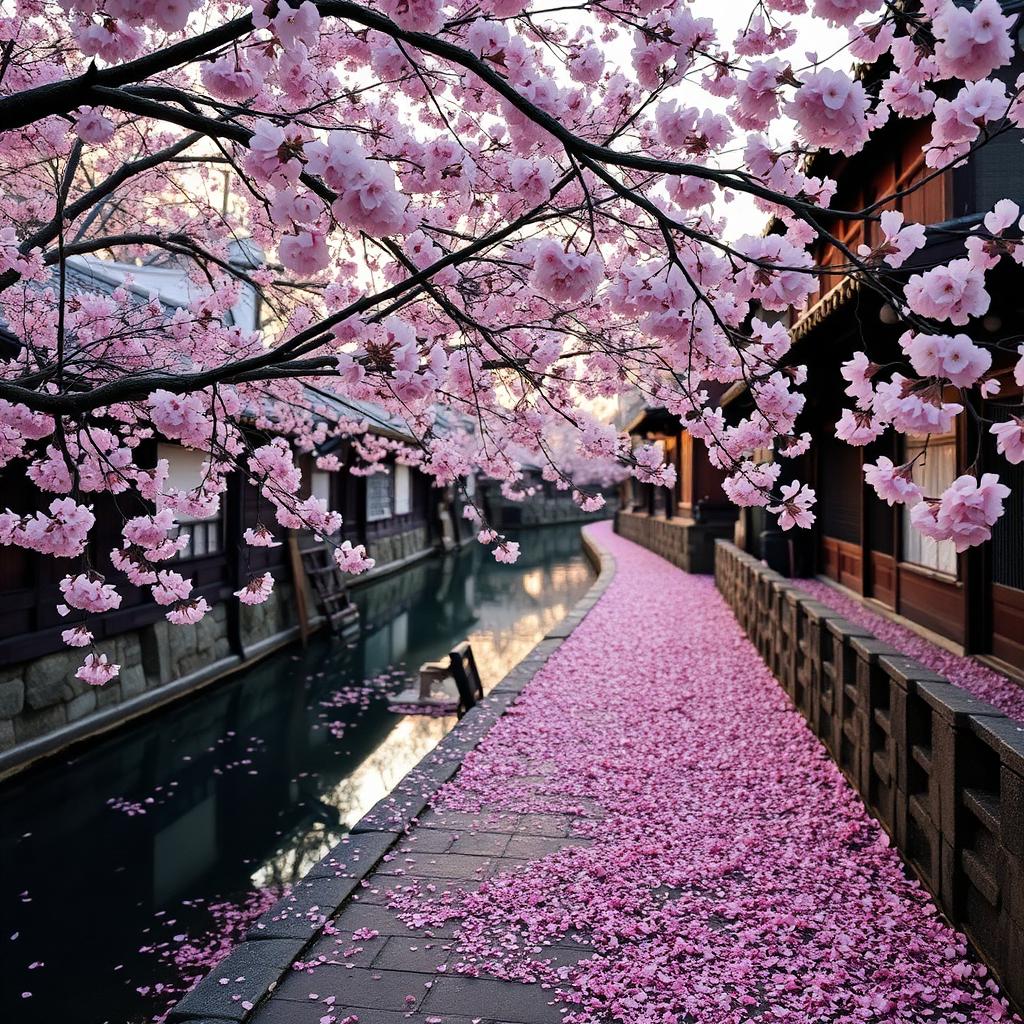
Spring is perhaps the most famous window for tourism, primarily because of the sakura or cherry blossom season. This natural phenomenon typically moves from south to north, starting in Kyushu in late March and reaching Hokkaido by early May. I recommend tracking official bloom forecasts if your primary goal is to see the peak blossoms, as the window of full color usually lasts only about one week in any given city. The weather is crisp and pleasant, making it ideal for the traditional activity of hanami, or flower viewing parties in public parks.
However, visitors must be extremely cautious of Golden Week, which usually falls between April 29 and May 5. This is a collection of four national holidays occurring within seven days, causing millions of Japanese residents to travel simultaneously. During this time, trains are fully booked, hotels reach maximum capacity, and popular attractions like Tokyo Disneyland or the Fushimi Inari Shrine become incredibly congested. If you choose the best time to visit japan based on cherry blossoms, try to depart before Golden Week begins or arrive immediately after it concludes to avoid the highest level of crowds.
Beyond the blossoms, late April and May offer lush greenery and cooling breezes. This is a fantastic time for outdoor enthusiasts to explore the Japanese Alps or the Nakasendo Trail. The humidity is significantly lower than in the summer months, and the rainy season has not yet arrived. Clothing should be layered, as mornings can be chilly while afternoons become warm enough for light shirts. It is a period of transition that showcases Japan at its most manicured and colorful before the intense heat of the midyear arrives.
Navigating the Rainy Season and Summer Humidity
June marks the beginning of the rainy season, known locally as Tsuyu. While it is not a constant downpour like a tropical monsoon, visitors can expect frequent gray skies, persistent drizzle, and high levels of atmospheric moisture. I have noticed that this season is actually an excellent time for visiting temple gardens in Kyoto or Kamakura, as the moss becomes vibrant and the hydrangeas reach full bloom. Because many travelers avoid June due to the rain, you can often find better deals on luxury ryokans and shorter queues at famous museums.
Once the rains clear in July and August, the Japanese summer arrives with intense heat and high humidity. Temperatures in cities like Osaka and Nagoya frequently exceed 90 degrees Fahrenheit. This period is famous for its vibrant summer festivals, called matsuri, and massive fireworks displays. If you plan to visit during this time, I suggest focusing your itinerary on the northern island of Hokkaido or the mountainous regions of Nagano, where the elevation provides a significant escape from the sweltering coastal heat. It is a time for eating cold noodles and enjoying the lively, communal atmosphere of local street fairs.
September is a month of transition but is also the peak of the typhoon season. Tropical storms can lead to significant travel disruptions, including canceled flights and suspended shinkansen bullet train services. While typhoons are often short lived, they can bring heavy wind and rain for 24 to 48 hours. I advise travelers to keep their itineraries flexible during September and to monitor weather apps closely. The silver lining is that the late September heat begins to break, ushering in the first hints of the autumn season in the high mountains of the north.
Autumn Colors and Optimal Sightseeing Conditions
Many experienced travelers argue that October and November represent the absolute best time to visit japan. Unlike the fleeting cherry blossoms, the autumn foliage, or koyo, lasts for several weeks as it moves from the north down to the south. The weather is exceptionally stable during these months, characterized by deep blue skies and cool, dry air. It is the perfect season for long distance hiking, outdoor photography, and exploring the historic districts of Kanazawa or Nara without the oppressive sweat of summer.
In November, the gardens of Kyoto are transformed into palettes of bright red, orange, and yellow. Since the air is clearer than in spring, this is also a prime time for viewing Mount Fuji, which is often obscured by haze during the warmer months. While early November is popular, the colors in Tokyo and Kyoto often peak toward the end of the month. I find that the evening illuminations at various temples, where trees are lit up after dark, offer a magical perspective on the landscape that you cannot experience during any other season.
From a logistical standpoint, autumn is slightly more predictable than spring. The foliage window is wider, making it easier to time your trip to coincide with the peak colors. While tourism numbers are high, the atmosphere feels a bit more relaxed than the frantic energy of the spring blossom rush. It is also an excellent time for seasonal culinary treats, such as chestnuts, sweet potatoes, and Pacific saury, which are celebrated in Japanese cuisine during the harvest months. Comfortable walking shoes and a medium weight jacket are essential for the varying temperatures between day and night.
Winter Sports and the Hokkaido Snow Season
Winter in Japan runs from December through February and is a dream for skiers and snowboarders. The northern island of Hokkaido receives consistent, high quality powder snow that is world renowned. Resorts like Niseko and Rusutsu become international hubs for winter sports enthusiasts. Even on the main island of Honshu, the Japan Alps near Nagano and Niigata offer excellent slopes that are easily accessible via the shinkansen from Tokyo. The cold air also results in the best visibility for seeing Mount Fuji from a distance.
For those not interested in skiing, winter offers the unique experience of visiting onsen, or natural hot springs. There is nothing quite like soaking in a steaming outdoor bath while snow falls around you, particularly in historic towns like Ginzan Onsen or Kinosaki Onsen. The cities are also beautifully decorated with winter illuminations, especially during the month of December. While January and February are the coldest months, they are also the driest in Tokyo, resulting in many consecutive days of crisp sunshine and clear views.
Travelers looking for a budget friendly best time to visit japan should consider the weeks between the New Year holiday and the start of spring. Except for the Chinese New Year period, which can see an influx of regional tourists, this is often the cheapest time for airfare and hotel stays. Note that the New Year period itself (December 29 to January 3) is a major family holiday in Japan. Many shops, restaurants, and museums close during these days, so I recommend planning carefully if your visit overlaps with the turn of the calendar.
Cost Variations and Regional Planning
The cost of visiting Japan fluctuates significantly based on the season. The spring blossom period and the autumn foliage season carry a premium for accommodation, often requiring bookings six months in advance to secure reasonable rates. In contrast, the mid winter months or the height of the summer heat usually offer more competitive pricing for hotels. I have found that mid June and early September are often the most affordable windows for domestic travel, though you must be prepared for the weather challenges mentioned earlier.
Regionality also plays a major role in determining the ideal timing. If you are heading to Okinawa in the far south, the best months are usually May or October to avoid the coldest winter breezes while missing the worst of the summer humidity and typhoon risks. For Hokkaido, the late summer of July and August is spectacular for blooming lavender fields, providing a cool sanctuary when the rest of the country is overheating. Conversely, the central region including Tokyo and Kyoto is best enjoyed during the transitional months of October or April.
Ultimately, your choice should depend on your specific interests. If you prioritize photography and icons, spring and autumn are unmatched. If you are a foodie looking for the freshest seafood and seasonal vegetables, any season offers distinct delicacies. If you are exploring on a budget and enjoy quiet temples, the winter months provide a serenity that is hard to find during the peak seasons. Regardless of when you go, Japan’s efficient public transportation and high level of hospitality ensure that a trip can be successful at any time of the year with the right preparation.
Frequently Asked Questions
Is the cherry blossom season the busiest time for tourists?
Yes, the late March to early April window typically sees the highest volume of international visitors and domestic travelers, leading to crowded transit hubs and fully booked hotels.
What is the weather like during the rainy season in June?
You can expect high humidity and frequent light to moderate rainfall. While it rarely rains all day every day, the overcast skies and dampness are consistent across the central and southern islands.
Can I see Mount Fuji throughout the year?
While the mountain is present year round, it is frequently hidden by clouds and haze during the summer. Your best chances for a clear view are during the dry, crisp days of winter from December through February.
When is the cheapest time to fly to Japan?
Generally, the lowest airfares are found during the late winter months of January and February, excluding the New Year holiday, or during the late autumn after the peak foliage has faded.
Bottom Line
The optimal time for a first trip to Japan is during the autumn months of October and November for stable weather and stunning colors, or late March to early April for the iconic cherry blossoms. While these are the most expensive times to visit, the visual rewards are significant. For budget conscious travelers or those seeking to avoid crowds, the winter months or early June offer a quieter, more affordable alternative that still captures Japan’s unique culture and beauty.