Quick Answer
The best time to visit Italy for most travelers is during the shoulder seasons of April to June and September to October. These periods offer comfortable temperatures between 65 and 75 degrees Fahrenheit, making it ideal for walking tours and vineyard visits. You will avoid the oppressive humidity of July and the widespread business closures that define the month of August.
While summer attracts the largest crowds, spring and autumn provide a balance of long daylight hours and manageable tourist traffic. Travelers on a budget should consider the winter months from November to March, excluding the Christmas holidays. During this low season, you can often find significant discounts on luxury accommodations in cities like Rome and Florence while enjoying shorter lines at major museums.
Spring Bloom and Shoulder Season Benefits
Visiting Italy between April and June allows you to witness the countryside in its most vibrant state. In Tuscany and Umbria, rolling hills transition to a lush green, and wildflowers begin to blanket the Orcia Valley. This is arguably the best time to visit Italy if your itinerary focuses on outdoor exploration or photography. The air is crisp and clear, providing excellent visibility for those climbing the dome of St. Peters Basilica or hiking the trails of the Cinque Terre before the summer humidity sets in.
Cultural events also peak during the spring. Holy Week and Easter bring dramatic processions to cities like Enna in Sicily and the Vatican in Rome. While Easter Sunday itself can be crowded and expensive, the weeks surrounding it offer a pleasant atmosphere where locals still outnumber tourists. You can enjoy outdoor dining at sidewalk cafes without the intense sun of later months. Keep in mind that May marks the beginning of the rose season, making public gardens in Florence and Rome particularly enchanting for afternoon strolls.
Statistically, the costs during these months are moderate compared to the peak summer spike. You can expect to pay standard rates for boutique hotels, but availability is generally better if you book three to four months in advance. By late June, the coastal resorts in the south begin to fill up, but the northern lakes like Como and Garda remain relatively tranquil. This window provides the perfect balance of reliable weather and functional public transport schedules before the holiday rush begins.
The Realities of Summer Heat and Ferragosto
July and August represent the peak of the Italian summer, characterized by high temperatures that often exceed 90 degrees Fahrenheit. In cities like Venice or Rome, the heat can be trapped by stone buildings, making midday sightseeing exhausting. If you choose to visit during this time, it is vital to plan your activities for early morning or late evening. Most Italians adopt a slower pace, retreating indoors during the afternoon heat, a practice that visitors would be wise to emulate to avoid heat exhaustion.
The most important cultural factor in August is Ferragosto, a national holiday on August 15th that effectively shuts down large portions of the country. Many family owned restaurants, small boutiques, and local services in major cities close for two to three weeks as locals head to the mountains or the coast. While major tourist attractions like the Colosseum remain open, the neighborhoods can feel eerie and deserted. However, this is the prime season for the Amalfi Coast and Sardinia, where the Mediterranean breeze provides relief and the beach club culture is in full swing.
Traveling in summer requires a higher budget for both flights and lodging. Because demand is at its absolute peak, even modest three star hotels can command premium prices. You will also encounter significant crowds at iconic sites, often requiring you to book skip the line tickets weeks or even months in advance. Despite these challenges, summer is the only time to experience the world famous opera festival at the Arena di Verona or the Palio di Siena horse race, making it a necessary choice for fans of traditional Italian pageantry.
Autumn Harvest and Culinary Traditions
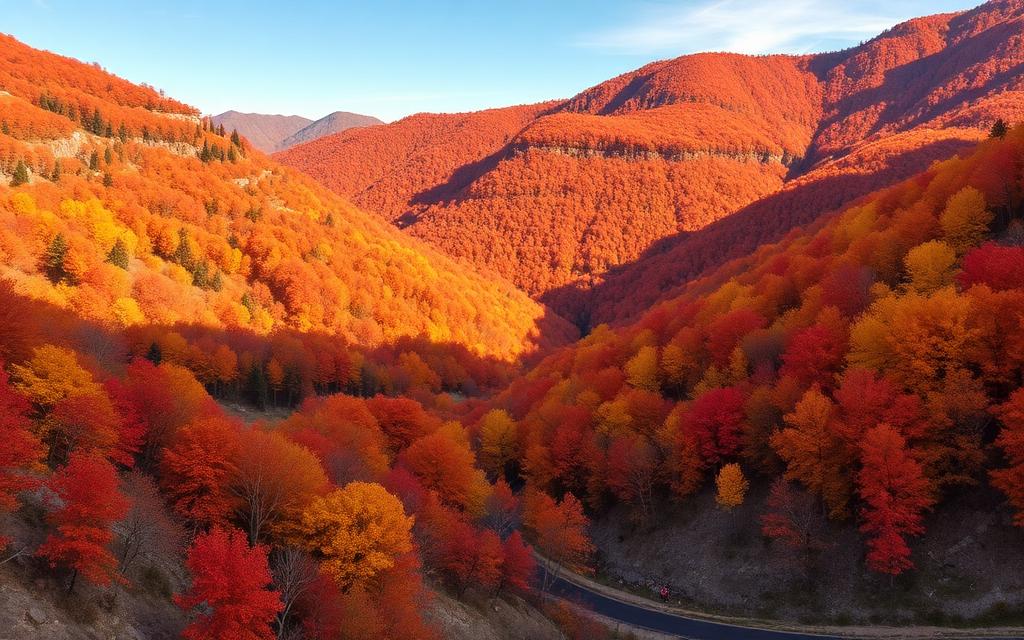
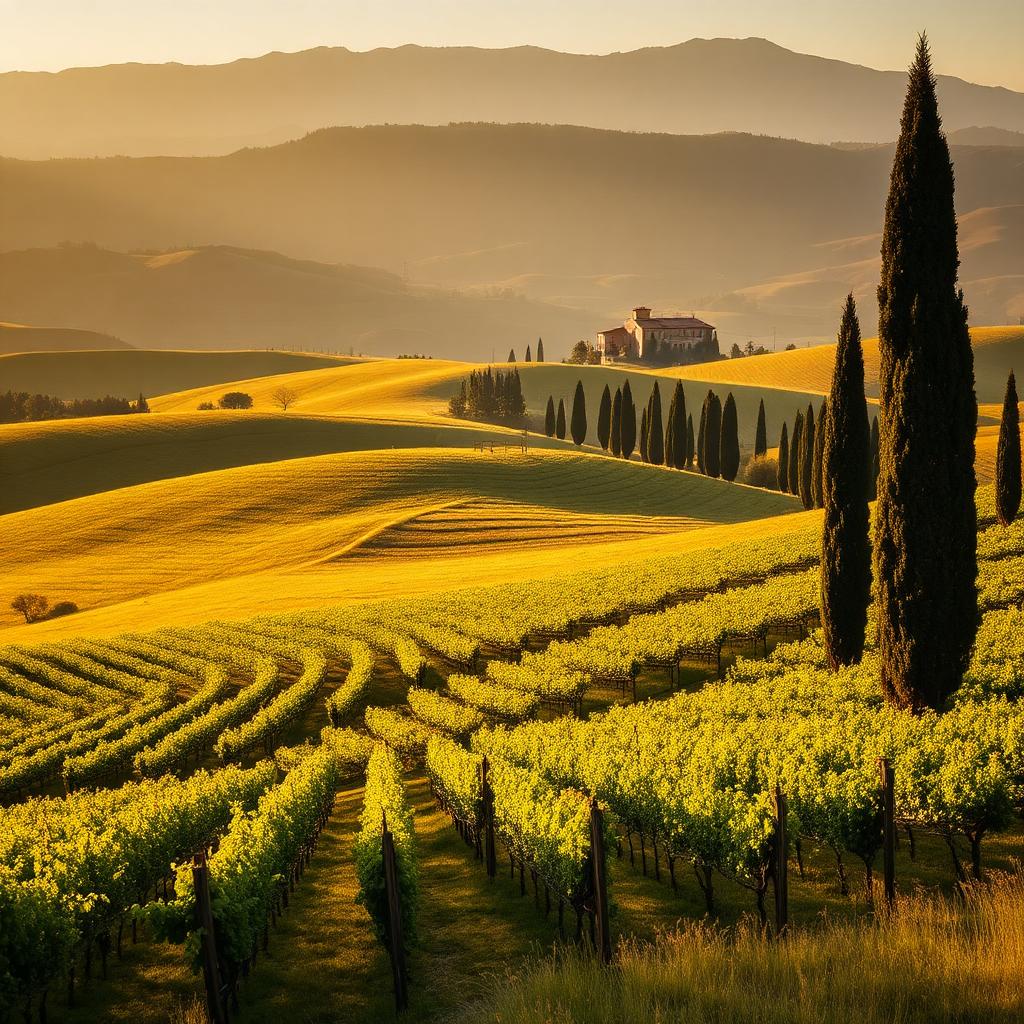
September and October represent a second shoulder season that many seasoned travelers consider the best time to visit Italy. The scorching heat of summer fades into a mellow warmth, and the sea remains warm enough for swimming in the south. This is the season of the Vendemmia, or grape harvest, which transforms the rural landscapes into hubs of activity. Wine enthusiasts can witness the production process firsthand in regions like Piedmont and Chianti, where local festivals celebrate the new vintage with public tastings and street fairs.
As October progresses, the focus shifts to white truffles and forest mushrooms. The town of Alba in Piedmont hosts its famous truffle fair, attracting gourmets from around the world. In the southern regions like Puglia and Sicily, the harvest of olives begins, and the air is filled with the scent of fresh pressing. The light during autumn is softer and more golden, which is preferred by many artists and photographers. The crowds at the Uffizi Gallery and the Vatican Museums begin to thin out, though they never truly disappear.
By late October, the weather becomes more unpredictable, particularly in the north. Rainfall increases, and the phenomenon of Acqua Alta, or high tide, becomes a possibility in Venice. However, the costs for accommodation begin to drop significantly once the calendar turns to October. This is an excellent time for travelers who want to experience Italy through its culinary heritage rather than just its monuments. The shorter days are compensated for by the cozy atmosphere of traditional trattorias serving hearty seasonal dishes like pumpkin ravioli and wild boar ragu.
Winter Magic and Christmas Markets
Winter in Italy, spanning from November to March, is the season for the savvy budget traveler. Aside from the two week period around Christmas and New Year, hotel rates reach their annual lows. Northern Italy, including Milan and Venice, can be damp and foggy, but this adds a mysterious and romantic atmosphere to the canals and cathedrals. The Dolomites and the Italian Alps become a playground for skiers, with world class resorts like Cortina d Ampezzo offering excellent snow conditions and a vibrant apres ski scene.
In December, Christmas markets pop up in many cities, though they are most traditional in the Alto Adige region near the Austrian border. Cities like Bolzano and Merano feel like Alpine wonderlands during this time. Further south, Rome and Naples focus on Presepi, or elaborate Nativity scenes. Naples is particularly famous for Via San Gregorio Armeno, a street dedicated entirely to handcrafted Nativity figures. The festive atmosphere is infectious, and the lack of humidity makes walking between historic churches quite comfortable despite the chill.
January and February are the quietest months, with the notable exception of Carnival in Venice. This historic festival brings colorful masks and elaborate costumes to the Venetian streets, temporarily driving prices back up to summer levels. For those who do not mind wearing a heavy coat, the rest of Italy offers a peaceful experience. You can stand before Michelangelo s David or the ruins of Pompeii without the usual wall of people. While some coastal resorts close entirely for the winter, the major art cities remain fully operational and far more accessible.
Regional Variations from the Alps to Sicily
It is a mistake to think of Italy as having a single climate. The geography is so diverse that the best time to visit Italy depends heavily on your specific destination. The northern regions, dominated by the Alps and the Po Valley, experience harsh winters and humid summers. If your goal is to hike the jagged peaks of the Dolomites, the window is quite narrow, typically from late June to September. Earlier in the spring, many high altitude trails are still blocked by snow, and by October, the mountain huts, or rifugi, begin to close for the season.
Central Italy, including Rome and Tuscany, follows a more traditional Mediterranean pattern. However, the coastal regions like the Amalfi Coast and the Cinque Terre have a distinct seasonal rhythm. These areas are almost strictly seasonal; many ferry services and seaside restaurants stop operating in November and do not resume until late March. Visiting Positano in January can be a lonely experience as much of the infrastructure for tourists is shuttered. Conversely, the southern island of Sicily offers a much longer season, with mild winters that make it a favorite for those escaping the freezing northern temperatures.
Sicily and Puglia can be intensely hot in July and August, often reaching over 100 degrees Fahrenheit when the Scirocco wind blows in from the Sahara. For these southern destinations, the months of May, June, September, and October are ideal. You get the beauty of the Mediterranean coast without the physical toll of extreme heat. Always check the local ferry and regional train schedules if you are traveling in the off season, as services are often reduced outside of the peak summer months. Understanding these regional quirks ensures you do not arrive at a coastal paradise only to find the shutters down and the boats docked.
Frequently Asked Questions
Is Italy too crowded in the summer?
Yes, major cities like Rome, Florence, and Venice experience extreme congestion in July and August, leading to long wait times for attractions and crowded public transportation.
When is the cheapest time to fly to Italy?
The lowest airfares are typically found in November, January, and February, excluding the Christmas and New Year holidays when prices spike briefly.
Are shops and restaurants closed in August?
Many family owned businesses close for two weeks around the August 15th Ferragosto holiday, though major tourist sites and chain stores usually remain open.
Can I swim in the Mediterranean in October?
In the southern parts of Italy, such as Sicily and Puglia, the water remains warm enough for swimming through early to mid October, though northern beaches will be too cold.
Bottom Line
The best time to visit Italy is during the shoulder months of May, June, September, and October. During these windows, you will enjoy the most favorable weather for sightseeing and the best balance between price and accessibility. Whether you are seeking the culinary riches of the autumn harvest or the blossoming landscapes of spring, avoiding the extreme heat and crowds of August will ensure a more authentic and comfortable Italian experience. Always consider regional climate differences when planning your specific itinerary.