Quick Answer
The best time to visit Hawaii is generally during the shoulder seasons of April to May and September to October. During these months, you will likely encounter the most pleasant weather conditions, fewer crowds at popular landmarks, and more competitive pricing on accommodations. These periods avoid the heavy rainfall of winter and the intense humidity often found in the middle of summer.
If your primary goal is to see humpback whales or witness professional surfing, the winter months from December through March are ideal. However, travelers should be prepared for higher occupancy levels and increased costs during the year end holidays. Choosing your travel dates depends largely on whether you prioritize dry weather, specific marine life sightings, or finding the most economical travel packages available.
Navigating the Trade Winds and Rainfall Patterns
The climate of the Hawaiian Islands is heavily influenced by the trade winds, which typically blow from the northeast. These winds play a crucial role in regulating the temperature and humidity, making the tropical heat feel much more comfortable. When the trade winds are blowing consistently, they bring cooling breezes to the islands. However, they also carry moisture that hits the mountain peaks, resulting in frequent rainfall on the windward sides of each island. If you prefer a dry and sunny vacation, you should look for accommodations on the leeward sides, such as Kona on the Big Island or Wailea on Maui, as these areas are shielded by volcanoes.
The wet season in Hawaii generally runs from November through March. During this time, the windward coasts can experience significant precipitation, though rain often falls in short, intense bursts rather than lasting all day. Even in the rainy season, you can often find blue skies just a few miles away on the south or west shores. Understanding this microclimate dynamic is essential when deciding the best time to visit Hawaii for outdoor activities like hiking or helicopter tours. If you visit during the summer months from June to August, the trade winds can occasionally falter, leading to what locals call Kona weather, characterized by higher humidity and still air.
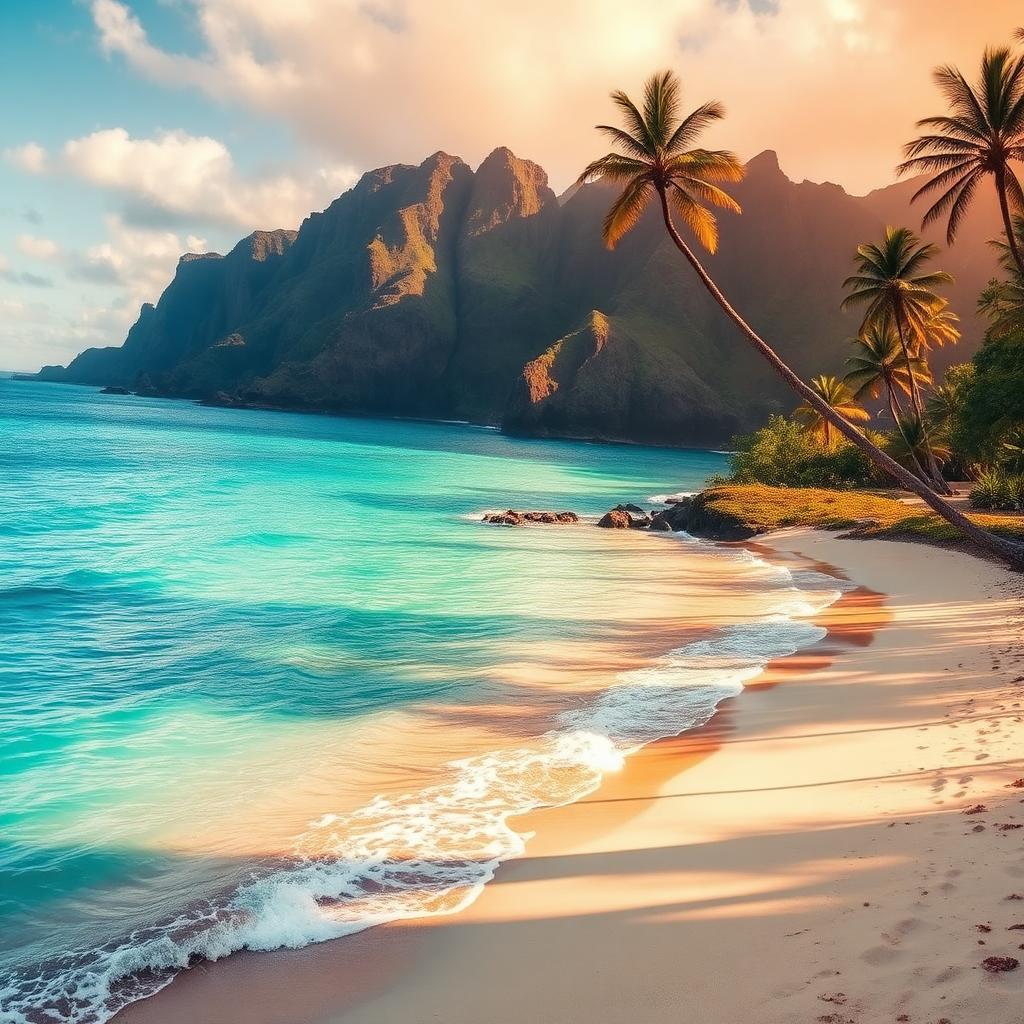
Travelers often worry about hurricane season, which officially runs from June through November. While direct hits from hurricanes are statistically rare in Hawaii, tropical storms can bring increased humidity and heavy surf. Monitoring weather patterns before your trip is advisable, but most visitors find that the summer months remain excellent for beach activities. The key is to remain flexible with your itinerary. If a storm system approaches one side of an island, the other side may remain perfectly clear. This environmental variety is what makes the islands green and lush, providing the dramatic waterfalls and tropical foliage that define the landscape.
Humpback Whale Migration and Marine Life Sightings
One of the most spectacular natural events in Hawaii is the annual migration of Pacific humpback whales. These massive mammals travel from their feeding grounds in Alaska to the warm, shallow waters surrounding the islands to mate and give birth. The official whale watching season begins in December and lasts through April, with the peak sightings typically occurring in February and March. The Auau Channel between Maui, Molokai, and Lanai offers some of the best vantage points in the world for shore based or boat based whale watching. If seeing these creatures is a priority, planning your trip for late winter is the best time to visit Hawaii for marine enthusiasts.
During the peak of the season, it is common to see whales breaching or slapping their tails from the coastline. Many tour operators offer catamaran excursions specifically designed for viewing, which often include educational components about marine conservation. It is important to remember that these are protected animals, so federal regulations require boats to maintain a specific distance to ensure their safety. While Maui is the most famous spot for whales, you can also spot them from the shores of Kauai, Oahu, and the Big Island during the same timeframe. The water temperature remains pleasant enough for snorkeling year round, even while the whales are present.
Beyond whales, the timing of your visit affects other wildlife encounters. Summer months bring calmer waters to the northern shores, which creates ideal conditions for snorkeling with green sea turtles and tropical fish. The calmer seas allow for better visibility and safer access to rocky coves that might be too dangerous during the winter surf season. Spinner dolphins are also present year round and are frequently seen in bays along the Kona and Napali coasts. By aligning your visit with the whale migration, you combine the excitement of seeing megapodes with the reliable presence of Hawaii’s resident marine species.
Winter Surf Season and North Shore Dynamics
For those interested in the world of professional surfing, the winter months represent the pinnacle of the year. From November through February, massive swells generated by storms in the North Pacific reach the northern coastlines of the islands. This is particularly evident on the North Shore of Oahu, home to legendary breaks like Banzai Pipeline, Sunset Beach, and Waimea Bay. During this period, waves can reach heights of 30 feet or more, attracting the world’s best surfers for high stakes competitions. If your goal is to watch professional surfing, the early winter season is undoubtedly the best time to visit Hawaii.
However, these powerful winter swells mean that swimming and snorkeling on north facing beaches can be extremely hazardous or impossible during these months. Families or casual swimmers should exercise extreme caution and always check with lifeguards before entering the water. Conversely, the south shores of the islands remain much calmer during the winter, making them the preferred choice for beginner surf lessons and relaxed beach days. In the summer months, this dynamic reverses: the north shores become flat and lake like, perfect for paddleboarding, while the south shores receive larger swells from the Southern Hemisphere.
The energy on the North Shore during a big swell is palpable, but it also brings significant traffic and increased crowds to small coastal towns. If you are not a surfer and want to enjoy the famous beaches of the North Shore for swimming, the summer months of June, July, and August are far more suitable. The water is crystalline and calm, revealing vibrant coral reefs that are obscured by foam and turbulence in the winter. Choosing the right season for your coastal activities requires a balance between wanting to see the power of the ocean and wanting to participate in it safely.
Island Specific Considerations and Local Microclimates
Each Hawaiian island has its own unique personality and weather nuances that can influence your travel timing. Kauai, known as the Garden Isle, is the wettest of the major islands, particularly in its interior. To see the Napali Coast by boat, the summer months are best because the winter swells can make the water too rough for most tour vessels to navigate safely. On the Big Island, the massive height of Mauna Kea and Mauna Loa creates a distinct rain shadow. The Hilo side is lush and rainy throughout the year, while the Kona side remains predominantly dry and sunny, regardless of the season you choose for your visit.
Maui offers a diverse range of climates, from the cool, misty uplands of Kula to the hot, desert like conditions of Kihei. If you plan to drive the Road to Hana, doing so in the shoulder seasons can help you avoid the heavy tourist traffic that clogs the narrow bridges during mid summer and the winter holidays. Oahu, being the most populated island, experiences significant spikes in crowds during the Japanese Golden Week in late April and the traditional US summer vacation period. Finding a balance between the specific activities you want to do on a particular island and the general weather patterns is the key to a successful trip.
Lanai and Molokai are generally drier and less crowded than their larger neighbors. Because they receive fewer tourists, the seasonal fluctuations in pricing and crowds are less pronounced, though flight availability can vary. When considering the best time to visit Hawaii, think about the specific geography of your chosen island. If you are heading to the lush greenery of East Maui or the Hanalei Bay area on Kauai, expect rain to be a part of your experience even in the summer. Embracing the rain is often necessary to see the waterfalls at their most impressive, especially after a heavy spring shower.
Managing Holiday Pricing and Seasonal Crowds
Financial considerations often dictate travel plans, and Hawaii is no exception to the laws of supply and demand. The most expensive times to visit the islands are during the last two weeks of December through the first week of January. During this holiday window, hotel rates can double or triple, and rental cars may become scarce or prohibitively expensive. This period coincides with school breaks and travelers seeking to escape the winter cold on the mainland. If you must travel during this time, it is vital to book your arrangements at least six to nine months in advance to secure reasonable options.
Another peak period occurs during the summer months from mid June through August. This is the primary time for family vacations, leading to crowded beaches and longer wait times at popular restaurants. To find the best value, look toward the shoulder seasons. Late spring, specifically after the Easter holidays and before the start of June, often features reduced airfare and lodging promotions. Similarly, the period from September until the week before Thanksgiving is traditionally a time when tourism slows down, allowing for a more relaxed pace and better access to reservations at top tier dining establishments.
Events like the Merrie Monarch Festival in Hilo (held the week after Easter) or the Ironman World Championship in Kona (traditionally in October) can cause localized spikes in prices and limited accommodation on those specific islands. When calculating your budget, also consider that airfare typically fluctuates less than hotel pricing throughout the year. If you can be flexible with your dates by just a few days on either side of a holiday, you might save hundreds of dollars. The best time to visit Hawaii for a budget conscious traveler remains the fall, provided you avoid the major holiday weekends.
Frequently Asked Questions
Question?
When is the cheapest time of year to fly to Hawaii? Answer. Generally, the months of September, October, and November (excluding Thanksgiving week) offer the lowest airfares from the US mainland. You can also find competitive prices in the late spring months of April and May after the spring break rush has concluded.
Question?
Does it rain all day during the Hawaiian rainy season? Answer. No, it rarely rains for an entire day across the whole island. Most precipitation occurs in short intervals or overnight, particularly on the windward or northern sides, while the leeward shores remain predominantly dry and sunny even in winter.
Question?
When is the best time for snorkeling? Answer. Summer (June through August) is considered the best time for snorkeling because the ocean swells are much smaller, leading to calmer water and better visibility, especially on the north shores which are often too rough during the winter months.
Question?
Is hurricane season a major concern for travelers? Answer. While hurricane season spans from June to November, direct hits are historically rare. The primary effects for travelers are usually increased humidity and larger surf, though it is always wise to have travel insurance and monitor local weather reports during these months.
Bottom Line
Ultimately, the best time to visit Hawaii depends on your personal priorities, whether they involve specific wildlife sightings, surfing conditions, or budget constraints. For the ideal balance of dry weather, manageable crowds, and fair pricing, the shoulder seasons of April to May and September to October are hard to beat. By understanding the island microclimates and seasonal shifts in ocean conditions, you can plan a trip that maximizes your enjoyment of Hawaii’s natural beauty and vibrant culture.