Quick Answer
The best time to visit Greece is during the late spring (May and June) or the early autumn (September and October). During these windows, the Mediterranean climate provides warm, sunny days suitable for swimming and hiking without the oppressive heat of the height of summer. You will find that most ferry routes are fully operational and all island businesses are open, yet the crowds at major sites like the Acropolis are considerably thinner than in July.
If your primary goal is a beach vacation on the Aegean islands, June and September offer the ideal balance of temperate water and manageable prices. Travelers interested in history and archaeology should prioritize April and May, when the wildflowers cover the countryside and the inland temperatures remain cool enough for comfortable walking. Avoiding the peak of August ensures you bypass both the highest travel costs and the intense Meltemi winds that can disrupt local ferry schedules.
Spring Blossoms and the Significance of Orthodox Easter
Spring is a transformational period across the Greek mainland and the islands. Starting in April, the landscape erupts in greenery and wildflowers, making it a spectacular time for hikers and photographers. This is particularly true in areas like the Peloponnese or the mountainous regions of Crete. While the sea may still be a bit brisk for some swimmers, the coastal air is fresh and the light is soft. I find that this season offers a more authentic glimpse into local life before the mass tourism season begins in earnest.
One of the most important cultural considerations for your trip planning is Greek Orthodox Easter. Because the Orthodox calendar often differs from the Western one, you must check specific dates for your travel year. Easter is the most significant religious holiday in Greece, characterized by candlelight processions, traditional feasts, and local festivals. While it is a beautiful time to witness Greek traditions, keep in mind that many shops and archaeological sites close for the holiday weekend, and domestic travel becomes very busy as locals return to their home villages.
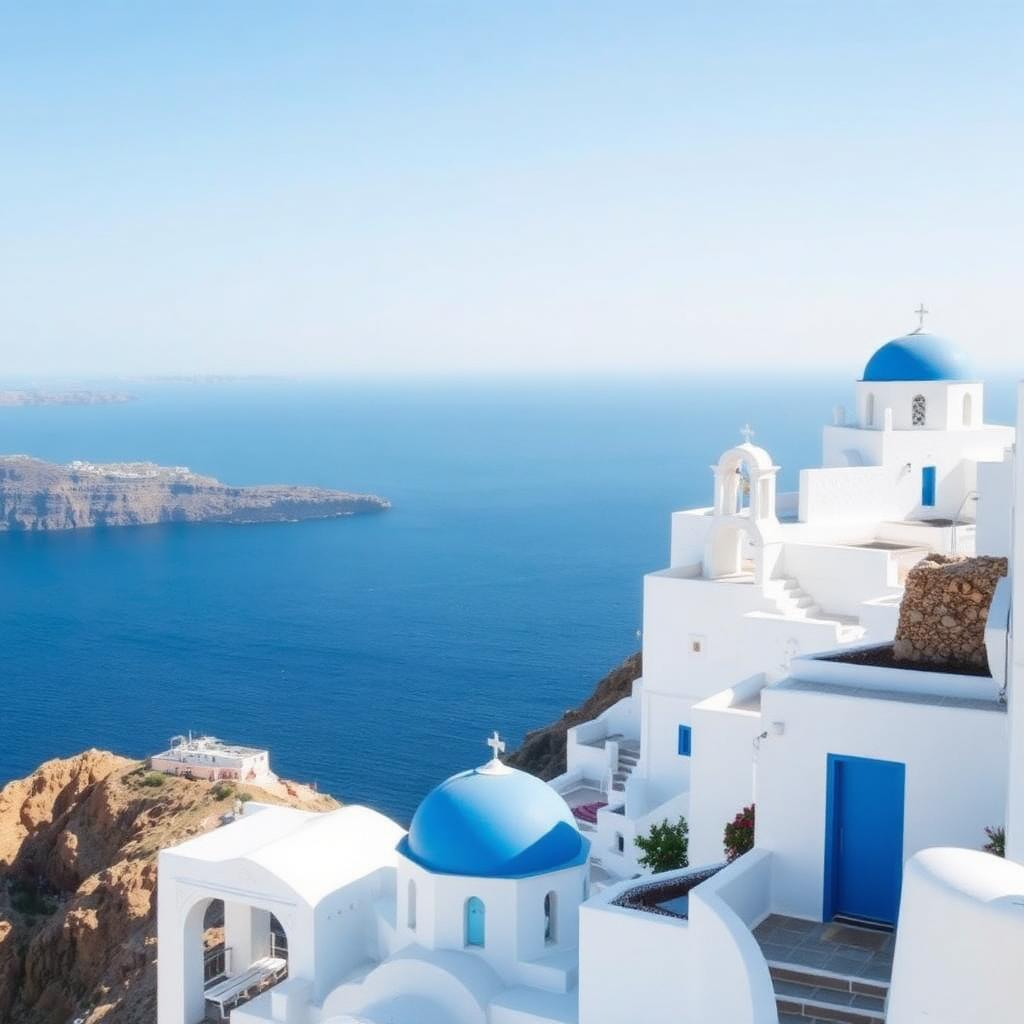
By late May, the tourist infrastructure is in full swing. This is widely considered a prime part of the best time to visit Greece because the ferry schedules become more frequent and direct routes between smaller islands are established. You can enjoy the nightlife of Mykonos or the sunsets of Santorini without the intense shoulder to shoulder congestion found later in the year. Prices for luxury villas and boutique hotels remain lower than their peak August rates, providing better value for mid range and luxury travelers.
Navigating the Intense Heat and Meltemi Winds of Summer
July and August represent the peak of the Greek summer, bringing high temperatures that often exceed 90 degrees Fahrenheit. In Athens, the urban heat island effect can make afternoon sightseeing quite draining, sometimes leading to temporary closures of the Acropolis during extreme heat waves for safety reasons. If you visit during these months, I recommend scheduling your outdoor exploration for the very early morning or late evening. The lifestyle shifts to accommodate the sun, with long afternoon siestas and dinners that do not begin until 9 or 10 at night.
A specific weather phenomenon to watch for in the Aegean Sea during July and August is the Meltemi. These are strong, dry northerly winds that blow across the Cyclades islands. While they provide a welcome cooling effect against the summer heat, they can be powerful enough to disrupt high speed ferry services and make small boat excursions uncomfortable. Windward beaches can become quite sandy and difficult for sunbathing. If you are sensitive to wind or prone to seasickness, you might prefer the more sheltered Ionian islands like Corfu or Zakynthos during the mid summer months.
Despite the heat and wind, summer is when Greece is at its most vibrant. The nightlife is legendary, and every beach bar is operating at full capacity. However, this is also the most expensive time to visit. Accommodation prices can double or triple compared to the low season, and popular islands like Santorini require bookings months in advance. For those who thrive in high energy environments and want the quintessential Mediterranean beach party experience, the heat and crowds are simply part of the atmosphere.
The Golden Window of September and Early October
September is often cited by frequent travelers as the absolute best time to visit Greece. The intense heat of August begins to fade into a mellow warmth, but the Aegean and Ionian seas have been baking all summer and remain at their warmest temperatures of the year. The Meltemi winds usually subside by mid September, leading to calmer seas and more reliable ferry travel. You get the benefits of the summer infrastructure without the frantic pace of the high season crowds.
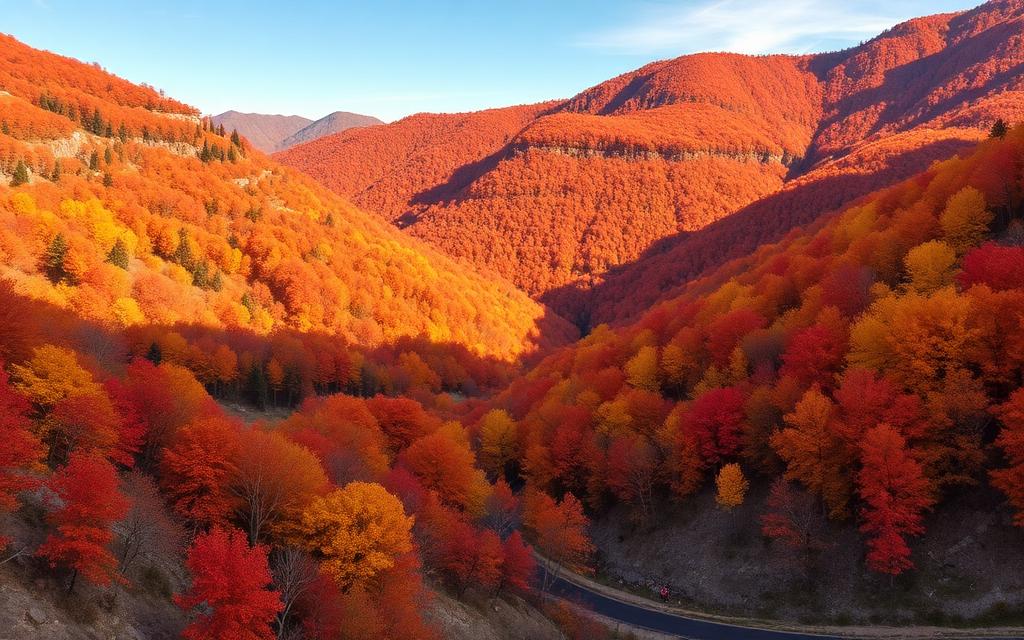
As the calendar turns to October, the atmosphere becomes even more relaxed. While the first half of the month is generally sunny and warm, there is a slight increase in the chance of rain, particularly in the northern regions like Thessaloniki or the green Ionian islands. On southern islands like Crete or Rhodes, summer like weather often persists well into the end of the month. This period represents the tail end of the Aegean island season, where you can find significant discounts on high end accommodation as hotels prepare for their winter hiatus.
Visiting in early autumn also means enjoying the harvest season. From grape stomping to the gathering of olives, the agricultural heart of Greece is active. The dining experience changes as seasonal ingredients like figs and grapes dominate the menus. I enjoy visiting the wineries of Santorini or the mountain villages of Naxos during this time because the hosts are often more relaxed and willing to share stories now that the peak rush has passed. Most tavernas remain open through late October, though some smaller shops may begin to close as the month ends.
Understanding Seasonal Closures and the Quiet Winter
If you are considering a trip between November and March, it is vital to understand that the Greek islands undergo a major shift. Outside of the large permanent populations on islands like Crete, Corfu, or Rhodes, many resort towns effectively shut down. Boutique hotels, specialized tourist restaurants, and beach clubs close their doors for the winter. Ferry schedules are drastically reduced, often leaving only one or two daily boats connecting main ports to the mainland, and these are subject to cancellations during winter storms.
However, winter is an excellent time for a city break in Athens or Thessaloniki. These are vibrant, living cities that do not rely solely on tourism. You can explore the National Archaeological Museum or the Benaki Museum without any crowds at all. The air is crisp, and while it rarely snows in the southern coastal areas, the mountains of central Greece and the Peloponnese offer skiing and cozy alpine village experiences. Prices for city hotels are at their absolute lowest, making it a very budget friendly period for cultural enthusiasts.
The winter months also offer a chance to see a side of Greece that most tourists miss. You can experience the Christmas and New Year traditions, which are celebrated with local carols and unique regional customs. While you will not be sunbathing or swimming, the sight of the Parthenon against a clear, cool winter sky is breathtaking. If you plan to visit islands during this time, stick to the larger ones with year round communities to ensure you have access to open tavernas and essential services.
Regional Timing Variations Across the Islands
The best time to visit Greece can vary slightly depending on which island group you choose. The Cyclades (including Mykonos and Santorini) are best in June and September to avoid the wind and crowds. The Ionian islands, located to the west of the mainland, tend to be cooler and greener with a slightly shorter season. They are fantastic in July because they are generally shielded from the Meltemi winds, though they can experience more rainfall starting in late October than their Aegean counterparts.
Crete, being the southernmost island, has the longest tourism season in the country. You can often enjoy beach weather in Crete as early as late April and as late as early November. The island is so large that it offers diverse microclimates, from the snowy White Mountains to the subtropical palm forest of Vai. If your schedule only allows for an early spring or late autumn trip, Crete is consistently the most reliable choice for warmth and available amenities.
The Saronic Gulf islands (like Hydra and Aegina) are close to Athens and remain popular year round, especially for weekend trips. Because they are so accessible from the capital, they do not suffer from the same total winter shutdowns as the more remote islands. For those visiting in the off season who still want an island experience, these are your best options. Regardless of the region, the shoulder season remains the gold standard for balancing weather, cost, and the availability of activities.
Frequently Asked Questions
When is the best time to visit Greece for honeymooners?
June and September are ideal because they offer romantic sunsets and warm weather with enough privacy to avoid the heaviest tourist traffic.
Can I swim in the Greek islands in May?
While the sun is usually warm enough for sunbathing, the sea temperatures in May are typically around 64 to 68 degrees Fahrenheit, which some people find a bit chilly for long swims.
Are ferries reliable in August?
Ferries generally run on schedule, but the strong Meltemi winds can occasionally cause delays or cancellations for smaller catamarans and hydrofoils.
How much do prices drop in the shoulder season?
You can typically expect to save between 20 and 40 percent on accommodation costs if you travel in May or October compared to the peak prices of August.
Bottom Line
To experience the perfect balance of weather and culture, aim for a trip in June or September. These months provide the quintessential Greek experience with warm Aegean waters, fully operational ferry routes, and manageable crowds. While July and August offer the most heat and excitement, they come with higher costs and more logistical challenges due to the winds. By choosing the shoulder season, you can enjoy everything from the ruins of Athens to the beaches of the Cyclades in comfort.