Quick Answer
The best time to visit Costa Rica for most travelers is the dry season, which spans from mid-December through April. During this period, the Pacific coast experiences cloudless skies and low humidity, making it ideal for exploring national parks like Manuel Antonio or Corcovado. This peak window ensures that gravel roads remain passable and outdoor activities like hiking or zip-lining are rarely interrupted by storms.
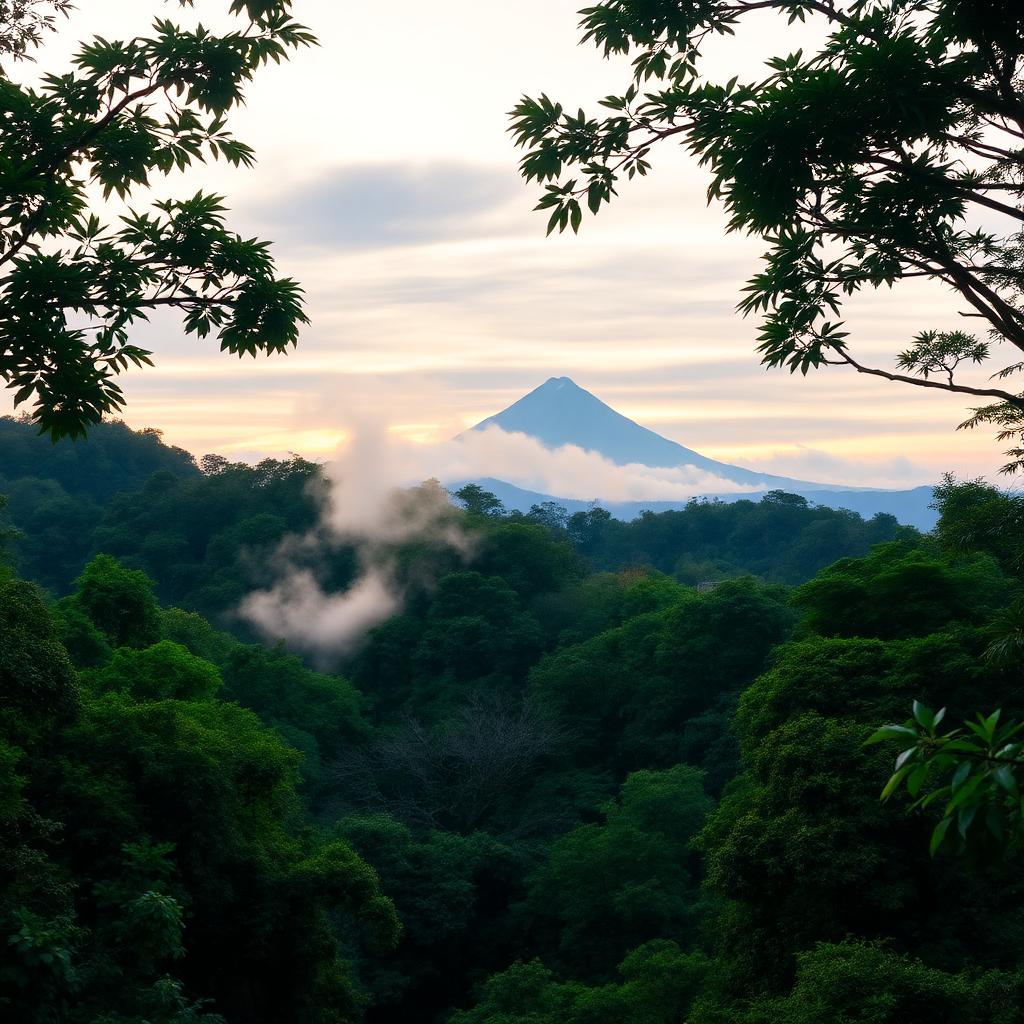
If you prefer to avoid crowds and high prices, the green season from May to November offers a different charm. While you should expect daily afternoon showers, the landscape turns a vibrant emerald green. This timeframe is excellent for witnessing sea turtle nesting on the Caribbean side and catching Humpback whales off the Pacific coast. You will also find significant discounts on luxury eco-lodges and boutique hotels during these months.
Navigating the Dry and Green Season Weather Patterns
Understanding the distinction between the dry season and the green season is essential for planning your logistics. The dry season, locally known as verano, typically begins in December and lasts until late April. During these months, the Pacific northwest region of Guanacaste becomes quite arid, sometimes resembling a tropical dry forest with golden grasses. The Central Valley stays pleasantly cool with temperatures hovering between 70 and 80 degrees Fahrenheit. Because humidity is at its lowest, this is undoubtedly the best time to visit Costa Rica if your primary goal is sunbathing or photography.
The green season, or invierno, begins in May and intensifies through October and November. Do not let the term winter fool you, as temperatures remain warm throughout the year. Most days follow a predictable pattern: sunny mornings followed by a heavy downpour in the late afternoon. The Caribbean coast, however, follows a different rhythm entirely. September and October are actually the driest months for the Limon province and Tortuguero, even as the Pacific side experiences its heaviest rainfall. This regional variation allows travelers to find pocket windows of great weather regardless of the month they choose.
Road conditions are a major factor to consider when choosing between these seasons. During the height of the rainy season in October, rural roads in the Nicoya Peninsula or the Osa Peninsula can become muddy or blocked by rising river levels. If you plan to rent a vehicle and explore remote areas, the shoulder months of May, June, and July provide a balanced middle ground. You get the benefit of lower prices and lush scenery without the extreme rainfall that makes some secondary roads impassable for standard vehicles.
Wildlife Viewing Peaks and Seasonal Migrations
Costa Rica is a premier destination for biodiversity, but seeing specific animals depends heavily on the calendar. For birdwatchers, the best time to visit Costa Rica is between January and July. This is the window when the Resplendent Quetzal is most active in the cloud forests of Monteverde and San Gerardo de Dota. These birds are attracted to the fruiting aguacatillo trees during their breeding season. You are also more likely to spot migratory birds from North America during the northern winter months, which significantly increases the total species count in spots like Palo Verde National Park.
Marine life sightings follow their own strict schedules. Humpback whales migrate to the warm waters of the Uvita area twice a year. The first group arrives from the Northern Hemisphere between January and March, while the second, larger group arrives from the Southern Hemisphere between July and October. The Marino Ballena National Park is the epicenter for these sightings. If you visit in September, you have a very high probability of seeing mothers with their calves breaching near the famous Whale Tail sandbar formation.
For land mammals like sloths and monkeys, sightings are fairly consistent year-round. However, the thinning of the foliage during the dry season can make them easier to spot against the branches. Conversely, the arrival of rains in May triggers an explosion of activity among amphibians. The famous red-eyed tree frogs and various glass frogs become much easier to find during night hikes in the green season because they are more active during damp conditions. Choosing your travel dates based on these biological cycles ensures you see the specific creatures that interest you most.
Sea Turtle Nesting Windows Across Both Coasts
Witnessing a sea turtle lay her eggs or watching hatchlings scramble to the ocean is a bucket list experience for many. On the Caribbean coast, Tortuguero National Park is the world-renowned primary nesting site for Green Sea Turtles. The peak season for these massive creatures is from July to October. During this time, you must hire a certified guide to visit the beaches at night to ensure the safety and conservation of the nesting mothers. October is especially rewarding because it overlaps with the start of the hatching period, offering a chance to see both ends of the life cycle.
On the Pacific side, the Ostional Wildlife Refuge hosts a spectacular phenomenon known as an arribada. This is a mass nesting event where tens of thousands of Olive Ridley turtles arrive simultaneously. These events usually occur once a month for several days, typically clustered around the new moon. While they can happen year-round, the largest arribadas take place between August and November. The sheer volume of turtles during these months is staggering, often covering the beach so densely that new arrivals accidentally dig up previous nests.
Leatherback turtles, the largest of all sea turtle species, nest on both coasts but at different times. In Las Baulas National Marine Park near Tamarindo, they typically arrive between October and March. On the Caribbean side, they are more common between March and July. Because these animals are critically endangered, timing your trip to coincide with these windows requires flexibility and a commitment to sustainable tourism practices. Always check with local conservation groups about recent activity before finalizing your itinerary if turtles are your main priority.
Surf Conditions and Ocean Swells
Determining the best time to visit Costa Rica for surfing depends entirely on your skill level and which coast you intend to visit. The Pacific coast is famous for its consistent swells and variety of breaks. For experienced surfers seeking large, powerful waves, the green season from May to November is the prime window. During these months, low-pressure systems in the South Pacific send consistent groundswells toward the coast. Popular spots like Witch's Rock and Pavones come alive with long, fast rides that can challenge even seasoned professionals.
Beginners and intermediate surfers may prefer the dry season from December to April. During this time, the waves are generally smaller and more manageable, and the offshore "Papagayo winds" in the northwest help to groom the water into clean, glassy faces. This is a great time to take lessons in towns like Nosara, Santa Teresa, or Jaco. The water temperature remains warm throughout the year, typically staying between 80 and 84 degrees Fahrenheit, so a wetsuit is rarely necessary regardless of the month you choose.
The Caribbean side offers a shorter but intense surfing window. The most famous break, Salsa Brava in Puerto Viejo, is a powerful reef break that works best from December through March. This season coincides with winter storms in the Atlantic that push swells toward the shore. Unlike the Pacific, the Caribbean surfing season is relatively brief, and the waves can disappear for weeks during the calm months of September and October. If you are a dedicated surfer, matching your visit to the specific swell patterns of each coast is the key to a successful trip.
Cost Differences and Crowds Across the Calendar
Your budget will likely dictate your choice of travel dates as much as the weather does. The peak season from late December through early January is the most expensive time to visit. Hotels often implement "holiday rates" which can be double or triple the standard price. If you plan to visit during Christmas, New Year, or the week of Easter (Semana Santa), you must book your accommodations and car rentals at least six to nine months in advance. These periods also see the highest concentration of domestic tourists, meaning popular beaches and national parks can become very crowded.
The shoulder season, spanning May, June, and November, represents the best value for many travelers. During these months, you can often find luxury accommodations at 20 to 30 percent below peak prices without the constant rain of the late green season. Many boutique hotels offer "stay for 3, pay for 2" promotions to fill rooms. Airfare from the United States also tends to be lower during these transitional months. Because there are fewer people on the trails, your chances of a quiet, intimate wildlife encounter increase significantly.
The deep green season in September and October offers the lowest prices of the year. Travelers on a strict budget can find exceptional deals, with some high-end resorts slashing prices by 50 percent. While you must account for the high probability of rain, this is an excellent time for a slow-paced, relaxing trip focused on spas, yoga, or reading while listening to the rainforest. Just be aware that some smaller hotels and restaurants in remote areas like Drake Bay may close for maintenance during these two months. Always confirm that your must-see attractions are open if you choose to travel during the rainiest peak.
Frequently Asked Questions
Is the rainy season a bad time to visit?
No, it is actually a favorite for many because the landscape is lush and the prices are significantly lower. Most rainfall occurs in the late afternoon, leaving the mornings clear for activities.
When is the cheapest month to fly to Costa Rica?
September and October are generally the cheapest months for airfare and lodging, as this is the peak of the rainy season on the Pacific side.
Can I see whales and turtles on the same trip?
Yes, if you visit in August or September. This window aligns with the Humpback whale migration on the Pacific coast and the peak nesting season for Green Sea Turtles in Tortuguero.
Do I need a 4x4 vehicle in the rainy season?
For destinations like Monteverde, the Osa Peninsula, or the southern Nicoya Peninsula, a 4x4 is highly recommended and often necessary due to mud and river crossings during the green season.
Bottom Line
The best time to visit Costa Rica ultimately depends on your priorities and budget. If you want guaranteed sunshine and easy road access, choose the dry season from December to April. For those seeking wildlife spectacles like whale migrations and turtle nesting at a lower price point, the green season from May to November is superior. Regardless of when you go, Costa Rica's Incredible biodiversity and warm hospitality remain constant throughout the year.