Quick Answer
The best time to visit Bali for most travelers is during the dry season, which spans from April to October. These months offer the most reliable weather for outdoor activities, including trekking, sunbathing, and exploring the lush terraced rice fields. The shoulder months of May, June, and September strike the perfect balance between stable weather, lower humidity levels, and fewer crowds compared to the high summer peak.
While the dry season is ideal for beach lovers, the wet season from November to March attracts visitors looking for lower prices and quieter temples. During this period, rain tends to fall in heavy, short bursts in the afternoons, leaving mornings clear for sightseeing. However, if you plan to visit for surfing or specific cultural festivals like Nyepi, your timing will depend entirely on the lunar calendar and coastal swell patterns.
Navigating the Dry Season from April to October
I find that the period between April and October provides the most consistent tropical experience. During these months, the southeast monsoon brings dry air from Australia, significantly lowering humidity levels across the island. Temperatures remain steady, typically hovering between 77 and 85 degrees Fahrenheit. Because the skies stay clear, this is the prime window for climbing Mount Batur at sunrise or visiting the Uluwatu Temple without the threat of a sudden downpour. The trails are less slippery, and the visibility for snorkeling near Nusa Penida is at its peak.
July and August represent the absolute peak of the tourist season. During these two months, the island experiences a massive influx of international travelers, particularly families on summer break. You will notice that traffic in regions like Canggu and Ubud becomes much more congested, and popular cafes often require reservations. If you prefer a quieter atmosphere while still enjoying the benefit of the dry season, I suggest targeting May or September. These months offer nearly identical weather conditions but with significantly more space on the sand and shorter wait times at major attractions.
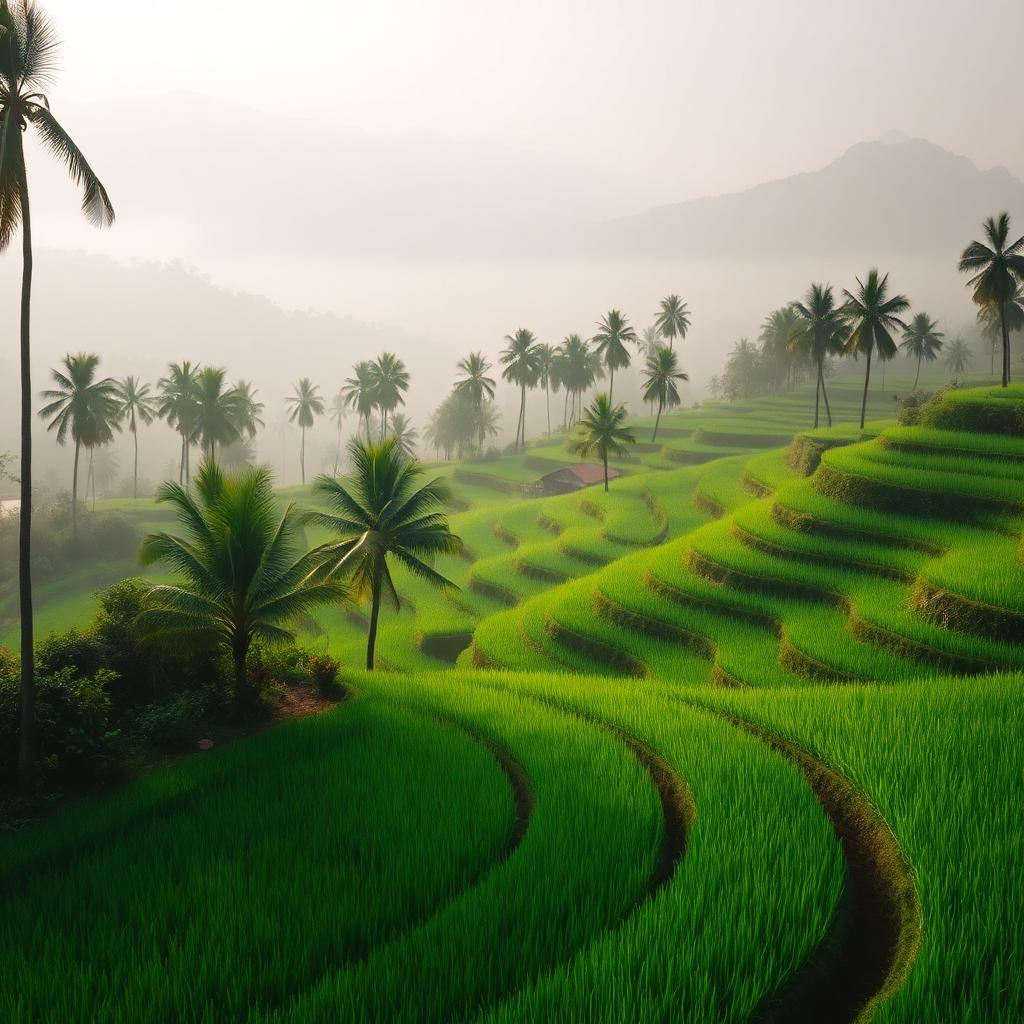
The best time to visit Bali for shore based activities is undoubtedly this window. The lack of rain reduces the amount of runoff from rivers, which keeps the coastal waters clear and the beaches free of the plastic debris that sometimes washes ashore during the stormy months. For photography enthusiasts, the light during the dry season is crisp and vibrant, making it the ideal time to capture the iconic emerald greens of the Tegallalang Rice Terrace. Just be prepared for slightly cooler evenings in the central highlands, as temperatures in Munduk or Bedugul can drop once the sun goes down.
Understanding the Wet Season and Budget Travel
From November to March, Bali enters its wet season. Many travelers avoid this time due to the fear of constant rain, but the reality is often more manageable. Rainfall usually occurs in intense tropical squalls that last for an hour or two, often during the night or late afternoon. Between these bursts, the sun frequently emerges, and the island takes on a vibrant, deep green hue that you simply do not see during the parched months of August. Humidity does spike during this time, often reaching over 80 percent, which can make physical activities like hiking feel much more strenuous.
The primary advantage of visiting during the wet season is the significant drop in accommodation costs. Luxury villas and boutique hotels often reduce their rates by 30 to 50 percent compared to the high season. You can find high end stays that typically cost 300 dollars per night dropping to 150 dollars or less. It is also the best time for travelers who dislike crowds (provided you avoid the busy Christmas and New Year window). You can walk through the Sacred Monkey Forest Sanctuary or Tirta Empul without navigating through walls of people, allowing for a more spiritual and introspective connection with the island.
However, there are practical trade offs to consider. The sea can become choppy, which occasionally leads to the cancellation of fast boats to the Gili Islands or Nusa Lembongan. The rain also brings out more mosquitoes, so you will need to be vigilant with repellent. If your primary goal is to relax in a luxury resort with a private pool and you do not mind some afternoon showers, the wet season offers incredible value. Just avoid the mountainous regions during peak rainfall, as clouds often shroud the views and paths can become dangerously muddy.
Surf Seasons and Coastal Differences
Bali is a world class surfing destination, but the best time to visit Bali for waves depends entirely on which coast you plan to visit. From April to October, the offshore winds blow from the southeast, creating legendary surf conditions along the western coastline. Spots like Uluwatu, Padang Padang, and Medewi become the focal points for the global surfing community. During this time, the swells are consistent and can reach impressive heights, catering primarily to intermediate and professional surfers who want to test their skills on the famous reef breaks.
When the winds shift during the wet season, the focus moves to the east coast. From November to March, spots like Keramas and Sanur offer the best protection from the prevailing winds. The water on the east coast remains warmer during these months, and the waves are generally more suited for various skill levels. I have observed that many surf schools operate year round by simply moving their students between the west and east coasts depending on the daily wind direction and swell report. Whether you are a beginner or an expert, there is always a rideable wave somewhere on the island.
It is worth noting that beach conditions vary by region. The Bukit Peninsula offers limestone cliffs and turquoise waters, which remain relatively clear year round. In contrast, the beaches in Seminyak and Kuta are more prone to seasonal debris during the monsoon. If you are visiting specifically for the beach aesthetic, I recommend staying in the southern peninsula during the dry season. If you are a surfer, match your travel dates to the specific coast that aligns with the seasonal wind patterns to ensure you get the best possible conditions for your sessions.
Cultural Festivals and the Silent Day of Nyepi
One of the most unique aspects of planning a trip to Bali is aligning your visit with its vibrant Hindu festivals. Galungan is one of the most important celebrations, occurring every 210 days according to the Balinese Pawukon calendar. During this ten day period, you will see bamboo poles called penjor decorated with fruit and flowers lining every street. It is a visual spectacle that signifies the victory of dharma over adharma. Being in Bali during Galungan offers a deep look into the local soul, as families dress in traditional attire to visit village temples.
However, the most significant date to be aware of is Nyepi, the Balinese Day of Silence. This is the Hindu New Year, and it is a day of absolute stillness. The entire island completely shuts down for 24 hours. The airport closes, no lights are allowed, no one is permitted on the streets, and even the internet may be restricted. While it can be a beautiful time for meditation and stargazing (the lack of light pollution makes the Milky Way visible), it can be frustrating for travelers who are not prepared. Local authorities strictly enforce the rules, so you must remain within your hotel or villa grounds for the duration of the holiday.
The night before Nyepi is the polar opposite of the silent day. The streets come alive with the Ogoh-Ogoh parade, where giant, demonic statues made of papier-mache are paraded through the villages to drive away evil spirits. It is a loud, chaotic, and exhilarating experience that I highly recommend. Because the date of Nyepi changes every year based on the lunar cycle (usually falling in March), you must check the specific dates before booking your flights. If you want to experience the full spectrum of Balinese culture, arriving a few days before Nyepi and staying through the silent day is unforgettable.
Cost Patterns and Crowd Management
Travel costs in Bali fluctuate significantly based on the month. The most expensive times are July, August, and the late December holiday season. During these peak windows, flight prices from the United States can double, and accommodation is at a premium. If you are traveling on a budget, I suggest looking at February or October. These months sit at the ends of the seasons when airlines and hotels are trying to fill seats and rooms. A meal at a local warung will cost between two and five dollars regardless of the season, but your larger expenses like tours and transport are often more negotiable during the quieter months.
Crowd management is another crucial factor for a successful trip. The popular southern hub consisting of Kuta, Legian, and Seminyak is almost always busy, but it becomes particularly dense during the Australian school holidays in June and December. If you want a more tranquil experience during these high traffic periods, I recommend heading north to Lovina or west to Pemuteran. These areas remain relatively quiet even when the south is teeming with tourists. The best time to visit Bali for peace and quiet is during the mid week periods of the shoulder seasons, specifically in April or late September.
Ultimately, your choice of timing should reflect your priorities. If you want to dive at the best sites like the USAT Liberty wreck in Tulamben, you need the calm waters of the dry season. if you are interested in a yoga retreat in Ubud and want to save money, the wet season is perfectly acceptable. Bali is a year round destination, but by understanding these seasonal nuances, you can avoid the frustration of heavy traffic or washed out hiking trails. Planning ahead for the cultural calendar is equally important to ensure you do not accidentally land on the one day of the year when the entire island stops moving.
Frequently Asked Questions
Is Bali still worth visiting during the rainy season?
Yes, it is often much cheaper and the landscape is incredibly lush, though you should expect high humidity and occasional heavy afternoon downpours.
When is the best time for snorkeling and diving in Bali?
The dry season from April to September offers the best underwater visibility and calmer sea conditions, especially around Nusa Penida and Menjangan Island.
Can I fly in or out of Bali on Nyepi?
No, Ngurah Rai International Airport is completely closed for 24 hours during Nyepi, and no flights are allowed to land or depart during this time.
What is the hottest month in Bali?
October and November are typically the hottest months as the humidity begins to build before the arrival of the monsoon rains, with temperatures often reaching the high 80s.
Bottom Line
The best time to visit Bali for a balanced experience is during the shoulder months of May, June, and September. During this window, you will enjoy the excellent weather of the dry season without the extreme crowds or peak prices of mid summer. Whether you are there for the world class surfing, the vibrant Hindu festivals, or the serene rice terraces, timing your trip to these specific months ensures the most comfortable and rewarding Balinese adventure possible.