Quick Answer
A comprehensive road trip emergency kit must include professional grade jumper cables, a portable tire inflator, a reliable spare tire with a jack, and a high lumen flashlight. You should also carry a multi tool, a basic first aid kit, and at least one gallon of potable water per person. These items form the baseline defense against common vehicle failures and minor injuries during long distance travel.
Beyond mechanical tools, a modern kit requires power backups like a high capacity power bank and physical navigation backups like paper maps. Depending on your destination and the time of year, you may need to add seasonal items such as thermal blankets for winter or extra coolant for summer. Having these supplies organized in a durable, accessible container ensures you are prepared for unexpected delays or mechanical breakdowns on remote highways.
Essential Mechanical Tools and Roadside Safety Equipment
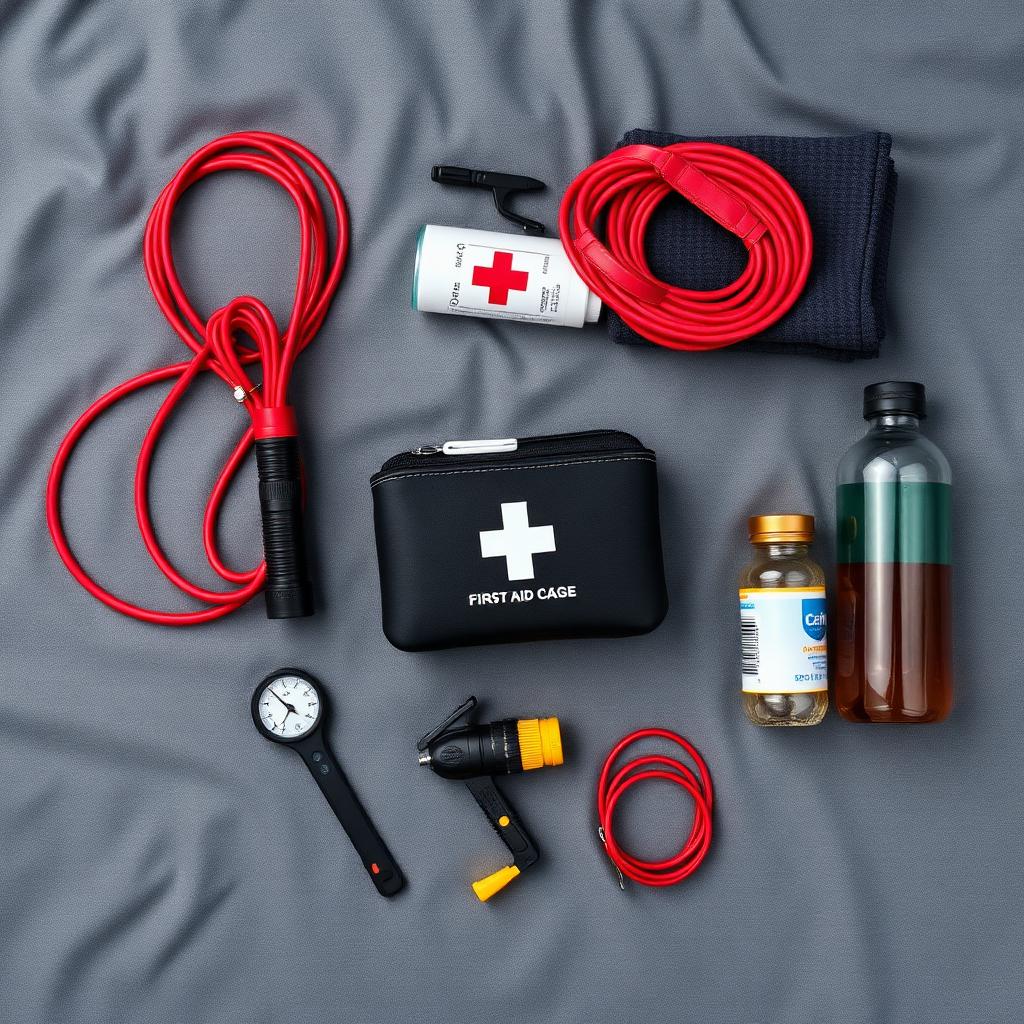
The foundation of any road trip emergency kit begins with the tools necessary to address common mechanical failures. A set of heavy duty jumper cables or a portable lithium ion jump starter remains the most critical item. While cables rely on the presence of another vehicle, a portable jump starter allows you to revive a dead battery independently in remote areas. I also recommend carrying a pressure gauge and a portable 12 volt air compressor. Correct tire pressure is vital for fuel economy and safety, and being able to top off a slow leak can get you to a repair shop without needing to perform a full tire change on the shoulder of a busy road.
Visibility is your primary protection if you are forced to stop on the side of the road at night. Ensure your kit includes three reflective triangles or LED flares to place behind your vehicle. These alert oncoming traffic to your presence from a significant distance. A high quality headlamp is often superior to a standard flashlight because it keeps your hands free to work on the engine or change a tire. Finally, include a basic set of hand tools such as a crescent wrench, screwdrivers, and pliers. These simple implements can often fix loose battery terminals or resecure a sagging plastic undercarriage shield that might otherwise cause a loud dragging noise during your drive.
Seasonal Specializations for Extreme Weather Conditions
A static road trip emergency kit may fail you if it does not account for the drastic changes in climate across different regions. For winter travel through mountain passes or northern states, your kit must expand to include traction aids. This includes a collapsible snow shovel, a bag of sand or kitty litter for grip on ice, and tire chains or snow socks that fit your specific tire dimensions. A heavy wool blanket or a specialized Mylar emergency space blanket is essential for retaining body heat if the engine dies and you lose your heater. I always pack extra winter gloves and a warm hat, as changing a tire in freezing slush without hand protection can lead to frostbite in minutes.
In contrast, summer desert travel presents the risk of overheating both for the vehicle and the passengers. You should carry at least one gallon of distilled water specifically for the radiator and a bottle of pre mixed engine coolant compatible with your vehicle. Never open a hot radiator cap, but having these fluids ready allows you to refill the system once it cools. For the occupants, hydration is the priority. I suggest carrying an extra gallon of drinking water per person. Sun protection, including a wide brimmed hat and extra sunscreen, is also necessary if you are stranded outside in high UV environments while waiting for a tow truck or performing repairs.
Medical Supplies and First Aid Fundamentals
A standard first aid kit is a requirement, but most off the shelf versions are too basic for serious travel. A truly effective kit should be augmented with specific items for road related injuries. Include various sizes of adhesive bandages, sterile gauze pads, medical tape, and antiseptic wipes to treat minor cuts or burns. Beyond these basics, I recommend adding a pair of scissors, tweezers for removing splinters or glass, and a digital thermometer. Over the counter medications such as ibuprofen for pain, antihistamines for allergic reactions, and anti diarrhea tablets are invaluable when you are miles away from the nearest pharmacy.
Consider the specific needs of everyone in the vehicle when stocked. If you have passengers with allergies, an extra EpiPen or supply of their required medication should be stored in a cool, dark place within the kit. I also suggest including a basic first aid manual that provides step by step instructions for treating shock or performing CPR. In a high stress situation, your memory might fail, and having a physical guide can help you stay calm and effective. Remember to check expiration dates on ointments and medications every six months to ensure everything in your medical bag remains potent and safe for use during your journey.
Communication Power and Navigation Backups
Modern travelers rely heavily on smartphones for navigation and emergency calls, but these devices are useless without a charge or a cellular signal. Your road trip emergency kit needs a dedicated power strategy. Carry a high capacity external battery bank that is kept fully charged and a spare charging cable dedicated solely to the emergency bin. If your car battery dies, you might not be able to use the built in USB ports. A solar powered charger can also be a life saver if you are stranded for multiple days in a sunny environment. I also recommend a small battery powered or hand crank weather radio to receive NOAA alerts, which can warn you of incoming storms or wildfires when cell towers are down.
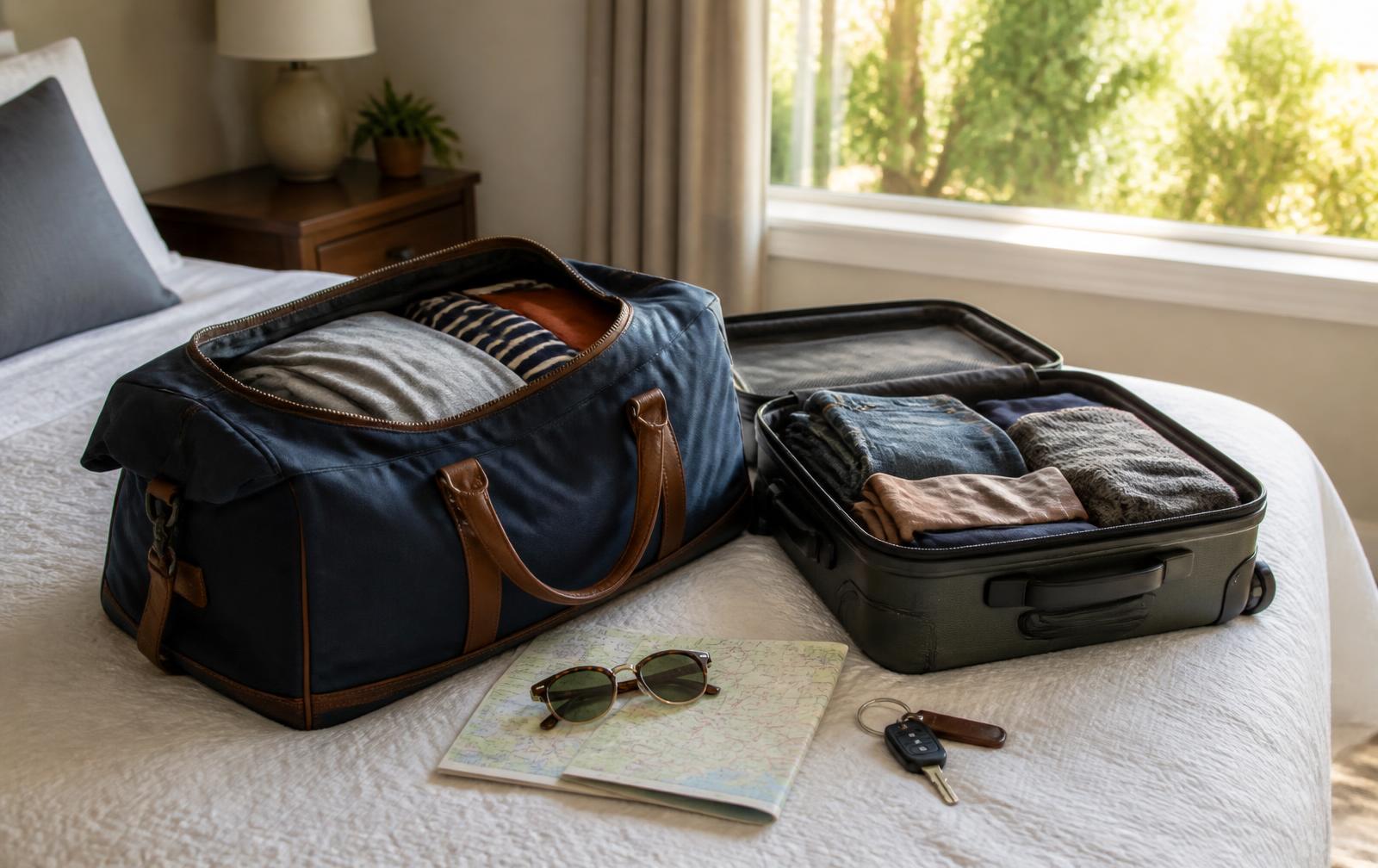
Digital maps can fail in mountainous regions or vast desert stretches where data roaming is unavailable. I always carry a high quality physical road atlas or specific paper maps for the states I plan to visit. Physical maps allow you to see the broader geography and find alternate routes that a GPS might ignore. Additionally, write down important phone numbers, including roadside assistance, insurance agents, and emergency contacts, on a piece of paper and laminate it. If your phone is lost, damaged, or out of power, having these numbers written down ensures you can use a landline or another person's phone to call for help without delay.
Nutrition Hydration and Comfort Items
Emergency food should be calorie dense, non perishable, and requires no cooking. High protein granola bars, dried fruit, beef jerky, and unsalted nuts are excellent choices because they withstand temperature fluctuations inside a parked car. Avoid items that melt, like chocolate, or things that make you excessively thirsty, like heavily salted crackers. I aim for at least 2,000 calories of emergency food per person. This is not meant to be a full meal but rather a way to maintain energy and morale during a long wait for help. Check the packaging annually to ensure seals are intact and items have not become rancid from heat exposure.
Comfort items are often overlooked but play a significant role in reducing stress during a breakdown. A small rolls of duct tape and a bundle of zip ties can solve dozens of minor problems, from securing a loose bumper to patching a leaking hose temporarily. Heavy duty work gloves will protect your hands from grease, heat, and sharp metal edges. I also include a pack of wet wipes and a few shop towels for cleaning up after a roadside repair. If you are traveling with pets, remember to pack extra water and a small bag of their food as well. These small additions make a difficult situation much more manageable and help keep all passengers calm while you resolve the issue.
Frequently Asked Questions
How often should I inspect my road trip emergency kit?
You should perform a complete inspection every six months, ideally at the start of the summer and winter seasons. Check expiration dates on food, water, and medications, and ensure your flashlight batteries haven't leaked and your power banks are still fully charged.
Should I carry a full size spare tire or a donut?
A full size spare is always preferable because it allows you to continue driving at normal speeds for longer distances. However, if your vehicle only has room for a compact donut spare, ensure it is properly inflated to the recommended pressure, which is usually higher than a standard tire.
Are chemical light sticks better than flashlights?
Chemical light sticks are great for marking your location or provides a soft glow inside the cabin for hours without batteries. However, they do not provide enough directed light to help you change a tire or inspect an engine. Use them as a supplement rather than a replacement for a high quality LED flashlight.
What is the best container for an emergency kit?
A clear, heavy duty plastic bin with a locking lid is ideal because it allows you to see the contents and protects them from moisture. If space is limited, a dedicated soft sided tactical bag with multiple compartments can help keep smaller tools and medical supplies organized and easy to grab.
Bottom Line
Building a road trip emergency kit is an essential step for any responsible traveler. By combining mechanical tools, seasonal gear, and survival basics like food and water, you create a safety net that protects you against the unpredictable nature of the road. I recommend tailoring your kit to your specific vehicle and destination, ensuring you have the right fluids and navigation tools for the terrain. Taking the time to prepare now allows you to focus on the enjoyment of the journey later.