Quick Answer
Apple TV 4K wins on three things the cheap sticks cannot match: raw chip speed, a clean ad free interface, and tight integration with the rest of the Apple hardware in your home.
If you already own an iPhone, a HomePod or AirPods, the box quietly turns into a hub that does color calibration from your phone, routes Dolby Atmos to your speakers over eARC, and hands you Spatial Audio with head tracking in your headphones at night.
If you do not own anything else from Apple, a Roku Ultra or Fire TV 4K Max gets you 80 percent of the streaming experience for a quarter of the price. The premium is for the ecosystem, not the codec list.
The Hardware: Why Chip Choice Matters
The current Apple TV 4K runs the A15 Bionic, the same class of chip Apple ships in the iPhone 13 and SE. A Roku Ultra or Fire TV stick runs a budget quad core ARM part that is usually two or three generations behind anything in a current phone.
You feel the difference in three places. App launches are near instant. Heavy catalogues like Netflix, Disney Plus and Prime Video scroll without the half second hitches that plague cheaper boxes. And real time upscaling of older 1080p content to 4K is genuinely cleaner, because the box has the silicon to do the work in flight.
Storage is the other quiet advantage. Apple TV 4K ships in 64 GB and 128 GB trims. The 128 GB model is the one I would buy if you plan on installing Apple Arcade games, since modern controller titles can run 2 to 4 GB each and the cheap sticks usually start with 8 GB total.
Spec Comparison at a Glance
- Processor: Apple A15 Bionic vs. budget quad core ARM on Roku, Fire TV and Chromecast.
- Storage: 64 or 128 GB vs. 8 to 16 GB on most sticks.
- Networking: Wi-Fi 6, Gigabit Ethernet on the wired model, and Thread for smart home devices.
- HDR formats: Dolby Vision, HDR10 Plus, HDR10 and HLG. Most budget sticks skip one of these, usually Dolby Vision or HDR10 Plus.
- Audio: Dolby Atmos passthrough, Spatial Audio over AirPods, lossless audio over HomePod.
tvOS: A Genuinely Calm Interface
The single biggest day to day difference is the absence of banner advertising. Roku and Fire TV both dedicate the top of the home screen to sponsored content. Apple TV does not. The home row is your apps, in the order you set them, and the row below is the Up Next queue from the Apple TV app.
Up Next aggregates what you have started across most major services. Finish an HBO episode and the next one slides into the queue automatically. Netflix is the holdout that does not feed into Up Next, so you still launch that app manually.
Profiles are handled the right way. Hold the TV button on the Siri Remote and you can hop between profiles in a single tap. Each profile keeps its own Up Next, Apple Music history and Apple Arcade saves, which matters when more than one person uses the box.
The Ecosystem Advantage
This is where the premium starts to feel earned. The Apple TV is more useful the more other Apple gear you own, and the gap to a Roku widens fast.
HomePods and eARC Audio
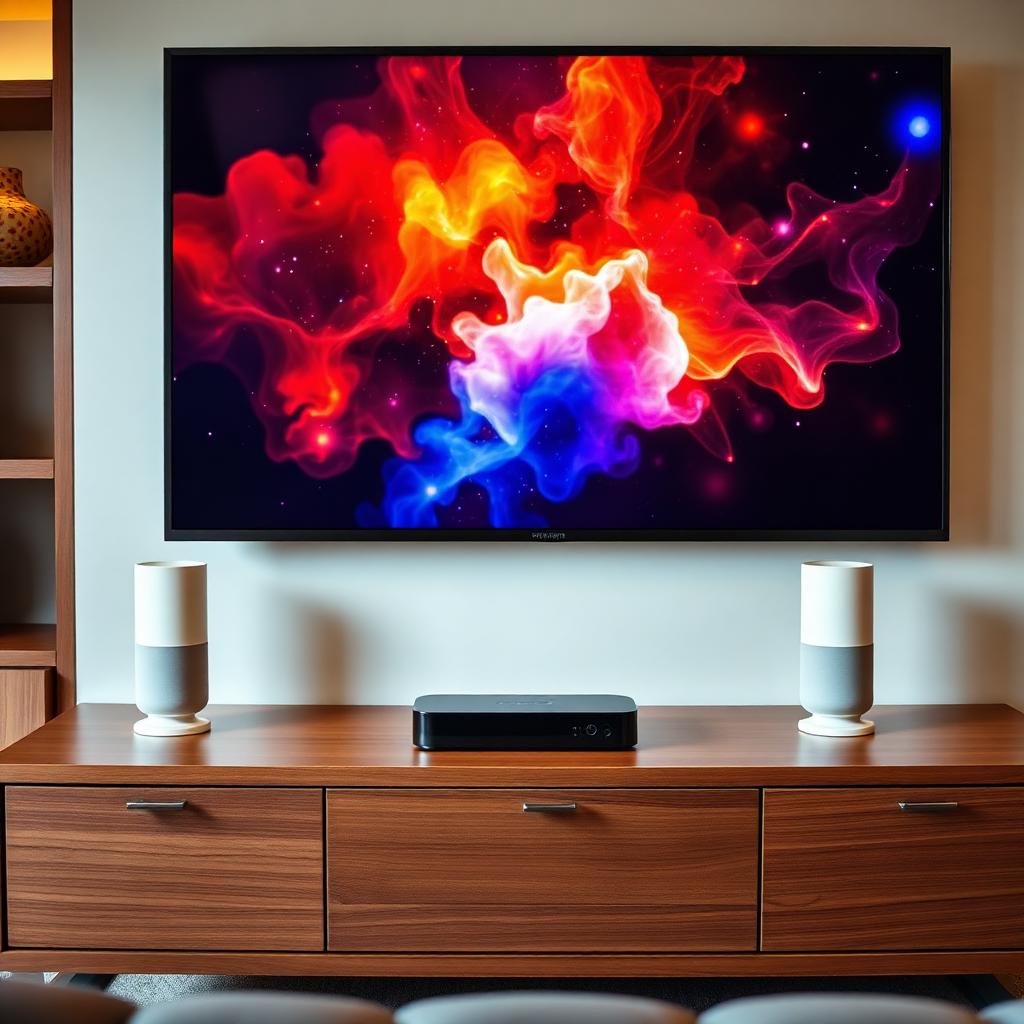
Pair two HomePods as the default audio output and the Apple TV will run them as a stereo pair with Dolby Atmos support. If your TV supports eARC, the Apple TV can also pick up audio from anything else plugged into your TV (a PlayStation, an Xbox, a cable box) and send that through the HomePods. It is the closest thing to a soundbar replacement that does not require buying a soundbar.
AirPods Late Night Mode
Open an AirPods case near the Apple TV and you get a one tap connect prompt on the screen. Audio routes instantly with Spatial Audio and head tracking, which keeps the on screen anchor stable even if you turn your head. For anyone watching after a partner has gone to bed, this single feature is worth a lot.
iPhone as a Utility
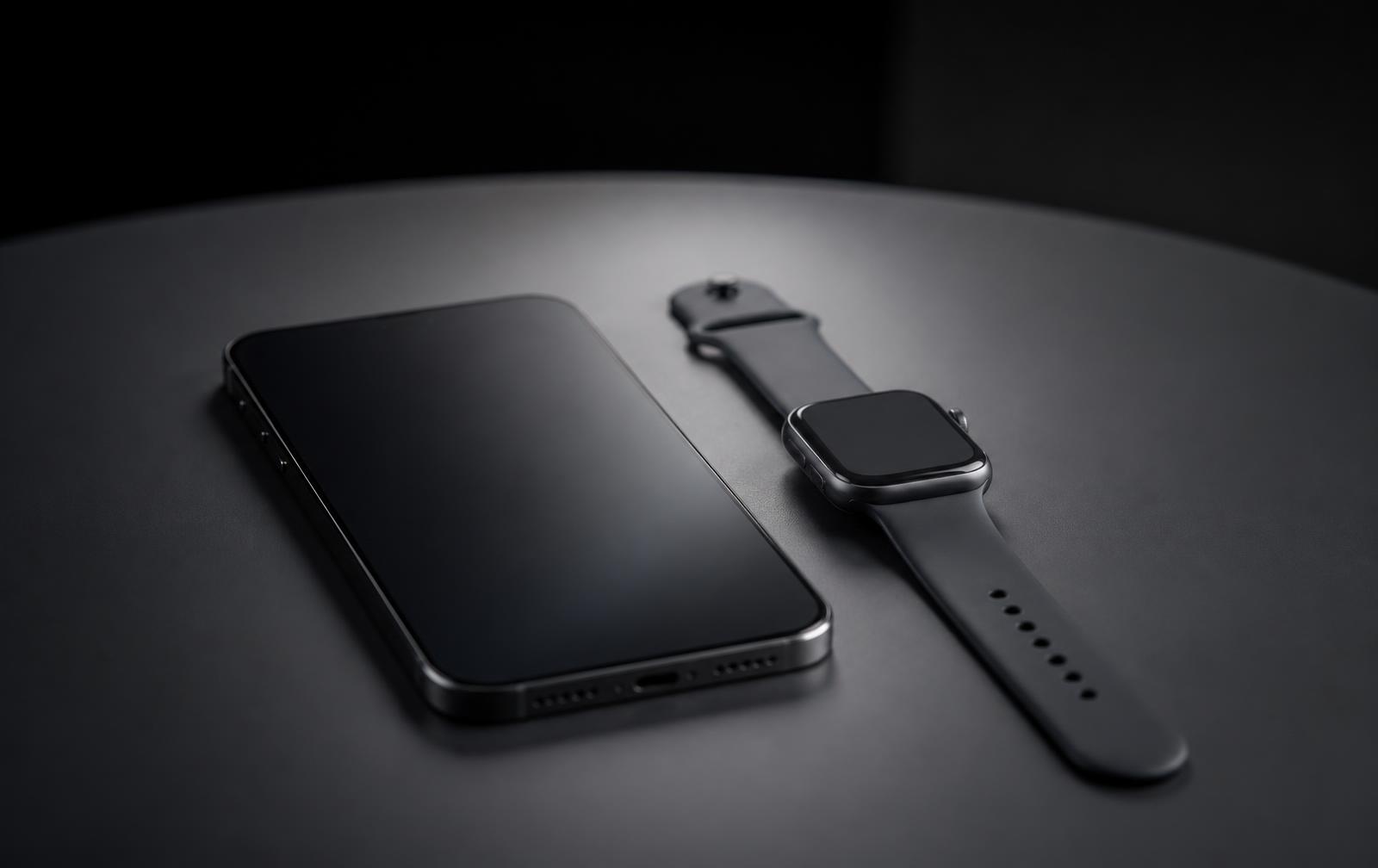
Two iPhone tricks earn their keep often. Color Balance uses the front facing camera on the phone to measure how your TV is rendering reference white and adjusts colour temperature automatically. And any text field on tvOS pushes a keyboard prompt to your iPhone, so password entry takes seconds rather than the usual D pad nightmare.
Apple TV Plus and Apple Arcade
The hardware is also the best way to experience Apple's own subscription services, both of which are priced to compete on quality rather than volume.
Apple TV Plus has a small catalogue compared to Netflix, but the productions land closer to the prestige cable era than the binge filler that most streamers fall back on. Ted Lasso, Severance, The Morning Show, Slow Horses and Foundation all carry high bitrate 4K Dolby Vision masters, and the Apple TV box pushes those streams about as well as anything I have tested in a living room.
Apple Arcade turns the same hardware into a casual gaming console once you pair a PlayStation DualSense, Xbox controller or even Joy Cons. Subscription bundles every game with no ads and no in app purchases, and saves sync to iPhone, iPad and Mac. It will not replace a PS5, but for racing, platformers and family multiplayer it covers a lot of ground.
Where the Cheap Sticks Still Win
Honesty matters here. Apple TV 4K is not the right buy for everyone.
- Price: Roku Ultra, Fire TV 4K Max and Chromecast Google TV all sit well under half the cost of the cheapest Apple TV.
- Live TV: Roku and Fire TV have far better hooks into free ad supported channels (FAST) like Pluto, Tubi and the Roku Channel.
- Voice control: Alexa on Fire TV is more capable for smart home routines than Siri is on tvOS.
- Casting: Chromecast still has the cleanest casting experience from Android phones and most laptops.
If your phone is an Android, your speakers are Sonos, and your priority is FAST channels, the case for paying Apple money weakens fast.
Who Should Actually Buy It
The buy decision is easier than the price tag suggests. If you have at least two of the following, Apple TV 4K is the right pick: an iPhone you use daily, a HomePod or pair of HomePods, AirPods Pro or Max, an Apple One subscription, or HomeKit smart home gear.
If you have none of those, get the Roku Ultra or Fire TV 4K Max and put the saved money toward better speakers. The Apple TV's strengths only really compound inside the broader Apple network.
Setup Tips Worth Doing on Day One
Three settings change the experience noticeably and are easy to miss in the default setup flow.
- Turn on Match Content (frame rate and dynamic range). This stops the box upscaling everything to 60 Hz SDR and keeps the source intact.
- Run Color Balance with your iPhone. It is in Settings, Video and Audio, and the result is almost always cleaner than the factory TV preset.
- Set the home button to open the TV app, not the home screen. The Up Next queue becomes the default landing spot, which is what most people actually want.
Frequently Asked Questions
Is the wired model worth the extra money?
If you can run an Ethernet cable, yes. Wi-Fi 6 is fine, but a wired Gigabit connection removes every buffering risk on 4K Dolby Vision streams. The wired model also doubles as a Thread border router for smart home gear.
Will an Apple TV 4K replace my soundbar?
If you already own two HomePods, broadly yes. The pair handles Dolby Atmos, and eARC pulls in audio from your console or cable box. If you do not have HomePods, a real soundbar is still cheaper than buying two new HomePods just for this.
Can I use it without an iPhone?
You can, but you lose the keyboard prompt, color calibration and easy AirPods pairing. Most of the magic of the box assumes an iPhone in the room.
How long do these things last?
tvOS support has historically run 6 to 8 years per generation. The current A15 model has plenty of headroom and will keep getting updates well into the next decade.
The Bottom Line
Apple TV 4K is a premium box for a premium ecosystem. The hardware is genuinely faster, the interface is genuinely calmer, and the integration with iPhone, HomePod and AirPods turns the living room into something that actually feels designed end to end. If that ecosystem is where you already live, it is the easiest recommendation in streaming hardware. If it is not, the cheap sticks are better than they have ever been.