Quick Answer
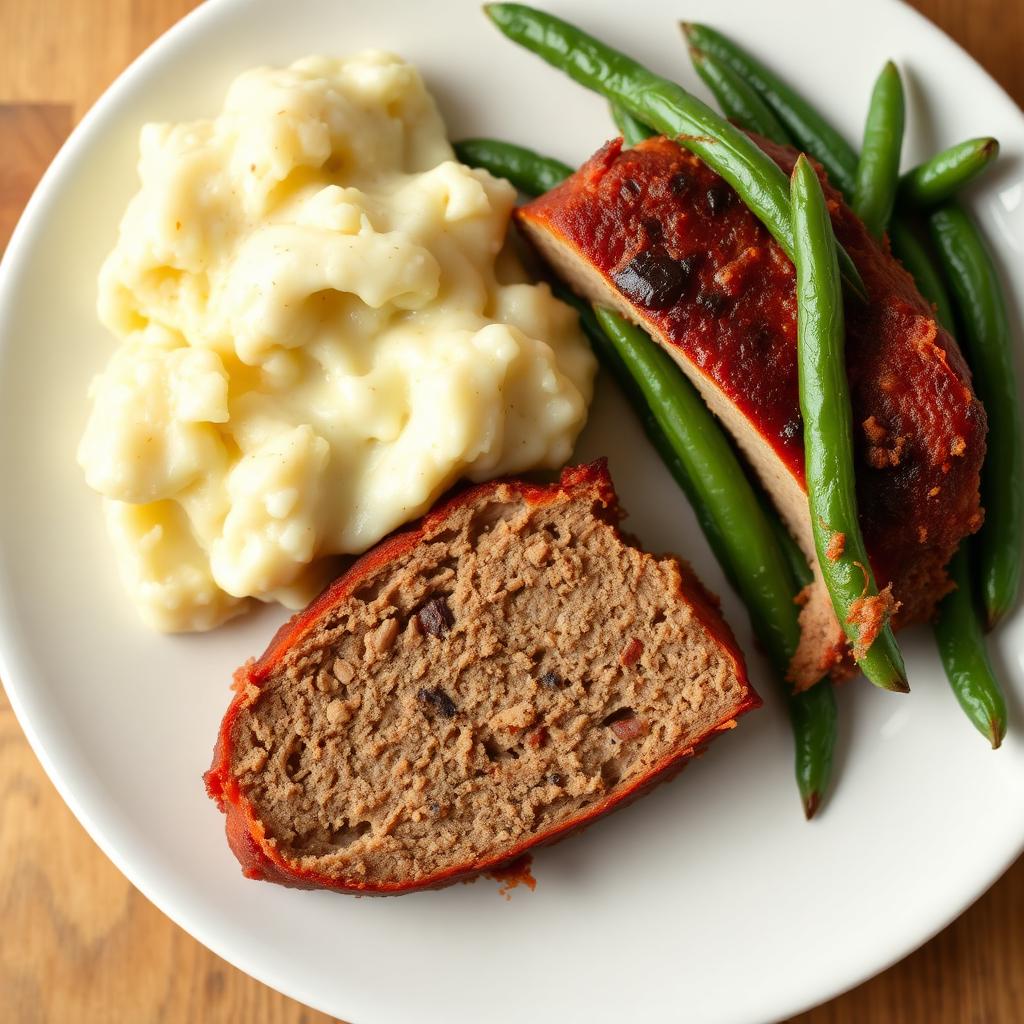
The USDA Food Safety and Inspection Service has issued a public health alert for approximately 5,795 pounds of frozen meatloaf with garlic mashed potatoes produced by West Fargo, North Dakota based Power Plate Meals LLC. The product contains soy, a major allergen, which was not declared on the ingredient label.
The affected meals were produced between June 25, 2025 and June 10, 2026 and sold across Minnesota, North Dakota, and South Dakota.
No illnesses have been reported, but FSIS is concerned that consumers may still have the meals in their home freezers and is asking people to check before reheating.
What exactly was recalled
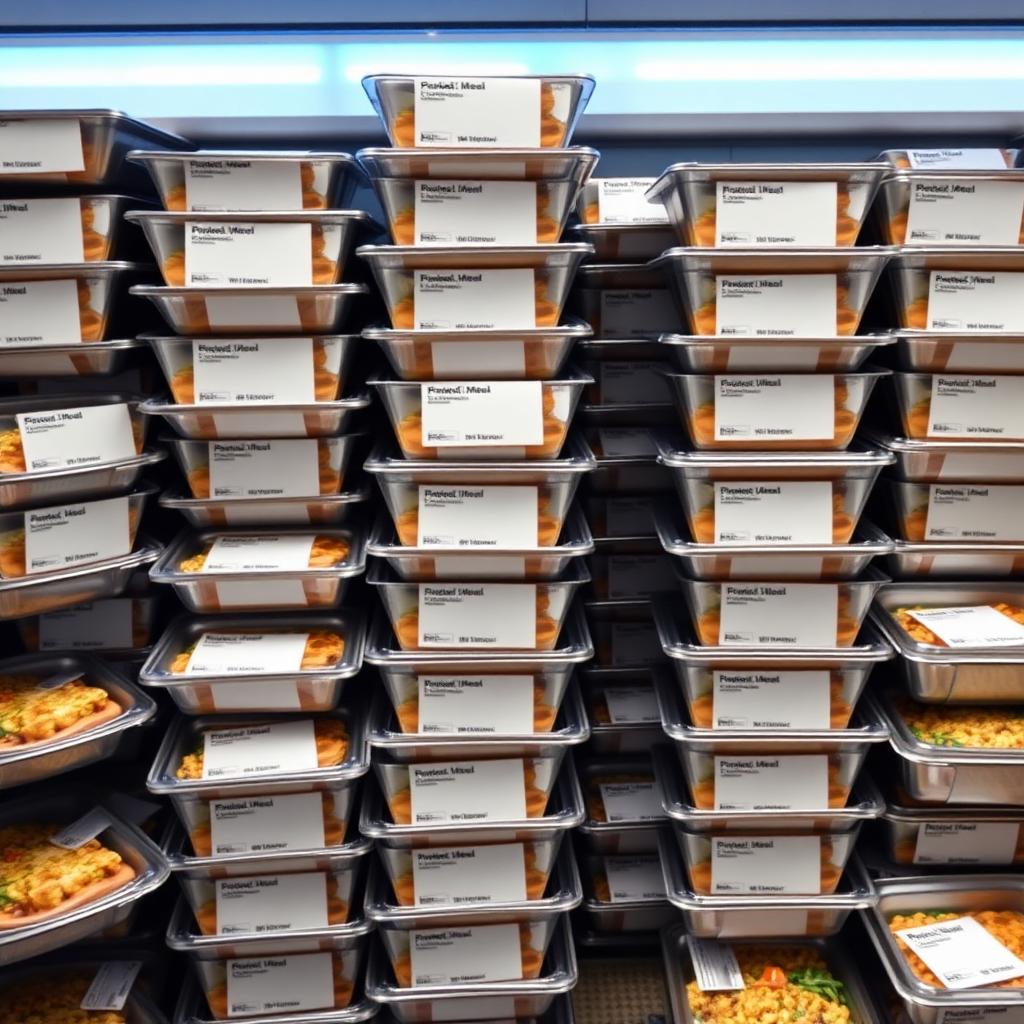
The product is labeled POWER PLATE MEALS MEATLOAF WITH GARLIC MASHED POTATOES and comes in 13.3 ounce vacuum sealed plastic trays. The use by dates on the affected lots run from 6/25/26 through 6/10/27. Inside the USDA mark of inspection on the back of the tray you will see the establishment number 217SEND, which is the code that uniquely identifies these meals as part of the recall.
If the label on your tray does not match all three of those data points (product name, 13.3 oz size, and the EST 217SEND mark), your meal is not part of this recall.
Why undeclared soy is a serious problem
Soy is one of the nine major allergens that U.S. food labels are legally required to disclose. For most consumers a tiny amount of undeclared soy in a meal is harmless. For people with soy allergies, even trace amounts can trigger reactions that range from hives and gastrointestinal symptoms to full anaphylaxis, which requires emergency epinephrine and a trip to the hospital.
The labeling rule exists precisely because allergic consumers cannot tell whether soy is present without disclosure. A meatloaf that lists only beef, breadcrumbs, onion, and spices looks safe to someone with a soy allergy. If soy protein or soy oil quietly entered the formulation, the result can be a reaction that the patient and their doctor cannot trace back to the meal.
How the problem was discovered
The undeclared soy was caught during a routine quality check by a state food inspector, not by a consumer complaint. The inspector noticed soy listed in the production batch records but missing from the consumer ingredient label and flagged the mismatch to FSIS. That is the system working roughly as designed, but it also means the gap had been there for nearly a year of production.
FSIS issues a public health alert rather than a full recall when the affected product is no longer in commerce but may still be in consumer homes. With a year of use by dates extending into 2027, that gap can be substantial for frozen meals that people buy in bulk and forget about in a chest freezer.
States where the meals were distributed
- Minnesota
- North Dakota
- South Dakota
If you live outside those three states it is unlikely you have the affected product, but a small number of trays may have moved through online grocery delivery services that ship across state lines.
What to do with an affected tray
If you find a matching tray in your freezer:
- Do not heat or eat it.
- If anyone in your household has a soy allergy, dispose of the tray immediately. Double bag it before tossing it in case of cross contact with other items.
- If no one in your household has a soy allergy, you can still return the tray to the store where you bought it for a full refund.
- Wipe down the section of the freezer where the tray was stored. Soy protein can adhere to packaging surfaces.
How this compares to other recent frozen meal recalls
Undeclared allergens are the single most common cause of food recalls in the United States and have been for years. Soy, milk, wheat, and tree nuts dominate the list. The pattern usually looks the same: a formulation change goes through production without being mirrored in the consumer label, and the gap is caught months later in routine inspection.
For broader context on what is driving the wave of frozen food recalls this year, see our look at the recent trends in frozen food safety alerts.
What makes this Power Plate case slightly unusual is the year long production window. Most label mismatches are caught within a few months because state inspectors rotate through facilities on a regular schedule. A gap that runs from June 2025 through June 2026 means either the inspection cadence was unusually slow at this plant, or the soy ingredient was added partway through the production run and the label was never updated to catch up. Either way, it means a substantial volume of product made it to retail and to home freezers before the problem was flagged.
It also means consumers who bought the meals months ago, ate one without incident, and put the rest in the freezer for later, may have lost the receipt and forgotten the brand entirely. That is the exact scenario the FSIS public health alert is designed to catch.
Why allergic consumers should sign up for FSIS alerts
If anyone in your household has a serious food allergy, the FSIS recall email list is genuinely worth the 30 seconds it takes to sign up. Alerts go out the same day a problem is confirmed, and the messages include the exact product name, package size, lot codes, and the establishment number to look for. The same is true for FDA recall alerts, which cover everything not under USDA jurisdiction.
The takeaway
This is a labeling recall, not a contamination recall. The meatloaf itself is safe for anyone without a soy allergy. The problem is the label, and the people put at risk are the ones who specifically read labels to avoid soy. Check the tray, check the EST number, and if anyone in your home has a soy allergy, get it out of the freezer today.
Frequently asked questions
What product is recalled?
Power Plate Meals Meatloaf with Garlic Mashed Potatoes, 13.3 oz vacuum sealed plastic trays, with establishment number 217SEND inside the USDA mark of inspection.
What lots are affected?
Use by dates from 6/25/26 through 6/10/27. Total recall covers approximately 5,795 pounds.
Where were these meals sold?
Minnesota, North Dakota, and South Dakota, primarily through grocery retail and meal delivery.
What should I do if I had a reaction?
Contact your doctor immediately and report the reaction to FSIS through the recall alert page so the agency can track downstream effects.