Quick Answer
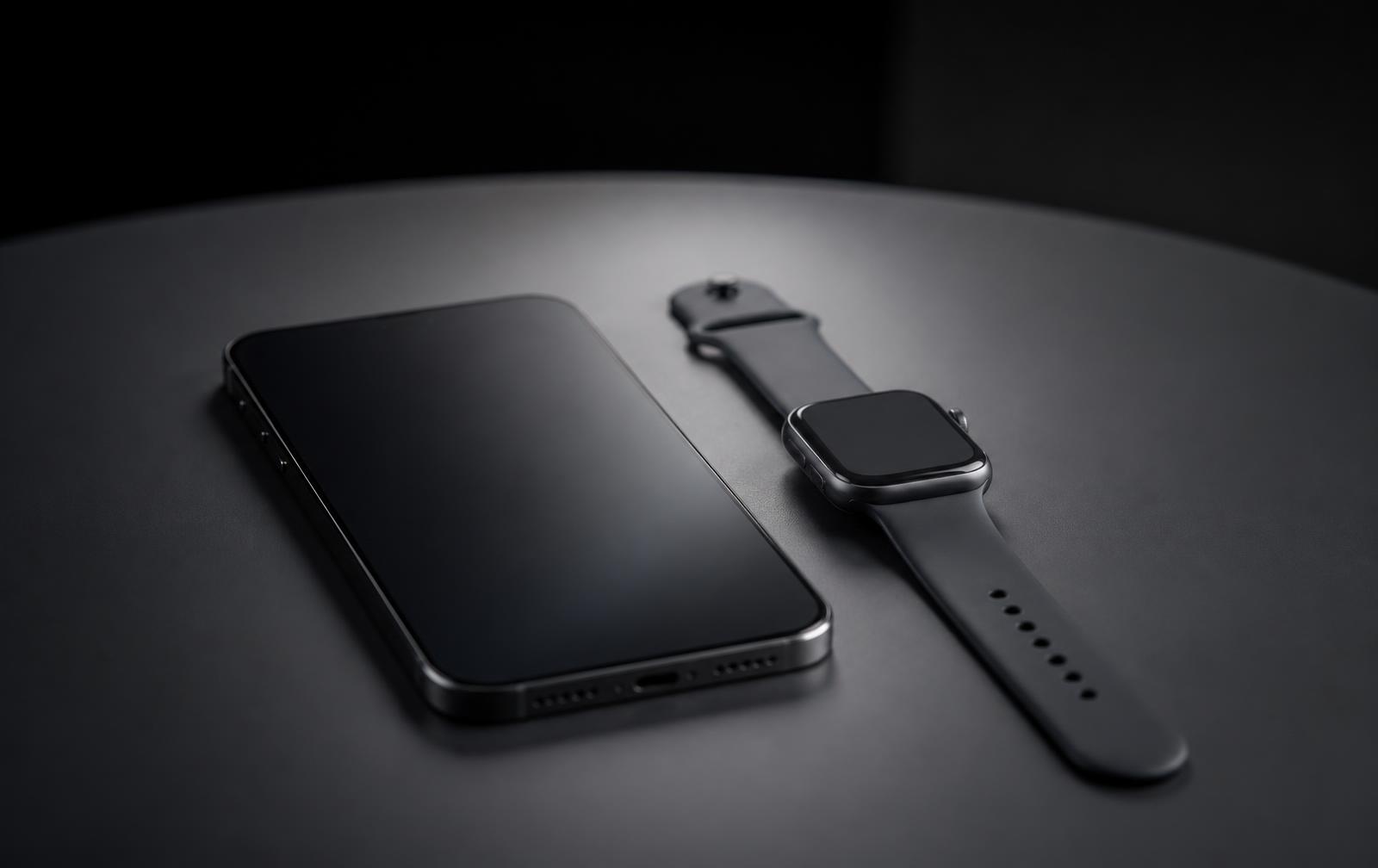
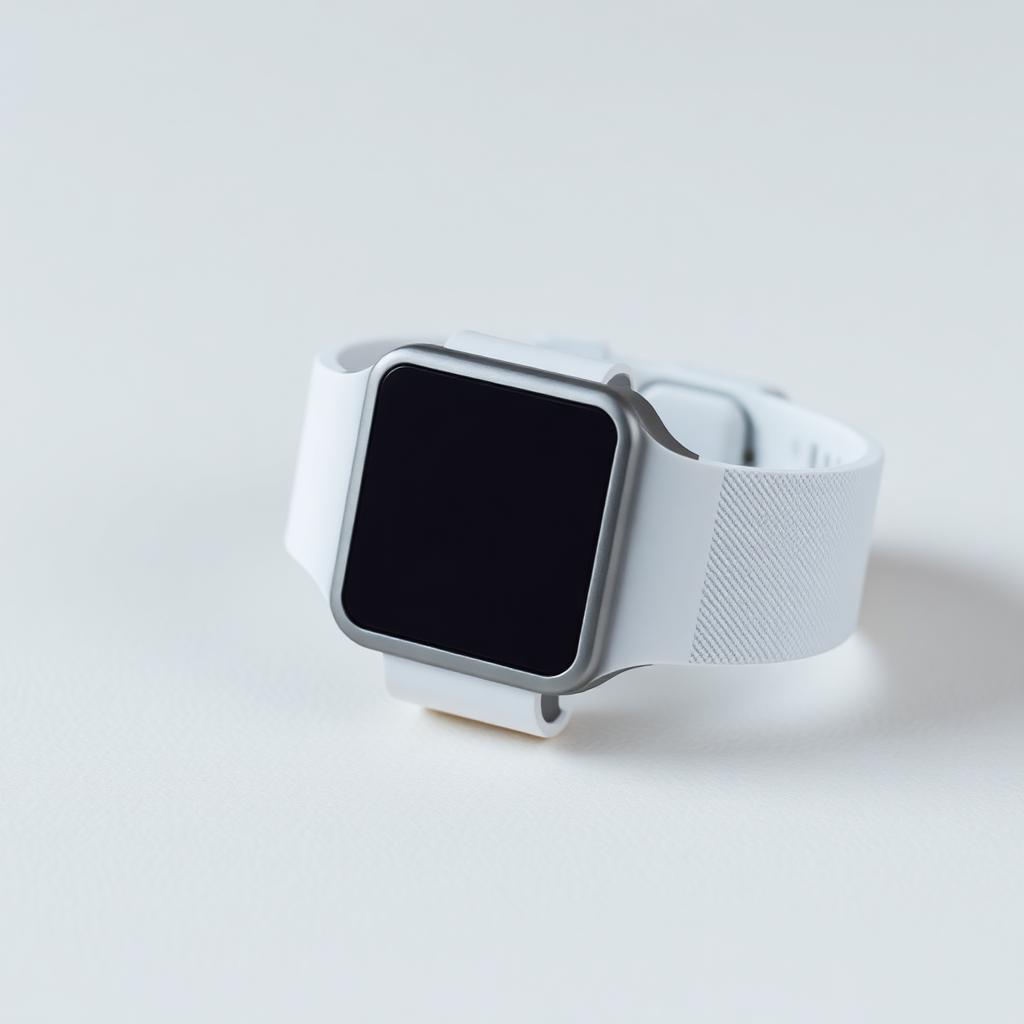
The Google Fitbit Air is a screenless health tracker that pairs a small sensor pebble with a soft, micro-adjustable band. It carries no display at all, which lets it run for a full week on a single fast charge and stay comfortable through workouts, work, and sleep.
It tracks continuous heart rate, AFib (atrial fibrillation) alerts, blood oxygen saturation, skin temperature, heart rate variability, and full sleep staging. All of that data syncs to the Google Health app, where the new Google Health Coach AI translates the raw signal into daily recovery, training, hydration, and sleep recommendations.
Why Google Went Screenless
The mainstream smartwatch market has spent five years adding brighter, larger, faster screens. The Fitbit Air does the opposite. The thesis is simple: most people who wear a tracker only look at it a few times a day, and a screen is the single biggest cost in battery life, weight, and price.
Removing the display unlocks three real benefits:
- No notification fatigue. Your wrist is not buzzing every few minutes with messages, calendar pings, or app alerts.
- Week-long battery. A full charge lasts around seven days, so sleep tracking is never interrupted by a daily charge cycle.
- Comfort and discretion. The pebble sits flat against the skin under shirt cuffs, so it is wearable at formal events and through contact sports without snagging.
The trade-off is that you cannot glance at the device for the time or a notification. Everything you want to see lives on your phone. For people who already check a phone constantly, that is a clean simplification.
The Sensor Stack Under the Hood
The small enclosure hides a dense, medical-grade sensor array. Google has confirmed the following on the official spec sheet:
- Optical heart rate. 24/7 continuous monitoring of resting, active, and recovery heart rate zones, plus background rhythm pattern detection.
- AFib alerts. Continuous pulse-wave analysis runs in the background. If the device detects a pattern consistent with atrial fibrillation, it triggers a phone alert with a timestamped recording.
- Multi-spectral SpO2. Tracks blood oxygen saturation overnight and during altitude exposure.
- Skin temperature. Continuous skin temp deviation from your personal baseline, useful for catching the early physiological signs of illness or overtraining.
- HRV and sleep staging. Tracks heart rate variability through the night and segments sleep into light, deep, and REM stages.
- Automatic workout detection. The pebble detects running, cycling, strength sessions, and several other movement patterns, then logs a full post-session report to the app.
None of these sensors are novel on their own. What is new is the combination in a screenless form factor that costs less, weighs less, and lasts longer than a full smartwatch.
The Google Health Coach AI
The real product is not the pebble. It is the Google Health Coach that lives in the updated Google Health app. The coach is the layer that converts millions of data points into a small number of useful daily decisions.
A typical morning flow looks like this. The coach reads your overnight HRV, sleep stage breakdown, resting heart rate, and skin temperature. It compares each value to your rolling personal baseline. Then it generates a short, plain-language summary:
- A readiness score for the day.
- A recommended workout intensity, with one specific alternative if your numbers came in low.
- A hydration target based on resting heart rate and skin temperature signal.
- A bedtime window for tonight based on circadian patterns from the last 14 days.
If something looks medically off, such as a sustained drop in nighttime SpO2 or a repeated AFib flag, the coach surfaces it as a separate alert and suggests a follow-up with a clinician. It does not try to diagnose. It frames the data and points you toward the right professional.
How It Compares to a Full Smartwatch
The Fitbit Air is not trying to replace a Pixel Watch or an Apple Watch. It is a complementary device for people whose primary goal is continuous health tracking rather than wrist-based apps.
- Pick the Fitbit Air if you want long battery, no distractions, and the highest-fidelity sleep and recovery data Google currently sells.
- Pick a full smartwatch if you actively use wrist notifications, payments, transit cards, or third-party apps and you do not mind charging it every day or two.
For a lot of users, the cleanest setup is a phone for communication and a Fitbit Air for biology. The pebble disappears on the wrist, and the only time you think about health data is when the coach surfaces something worth acting on.
Privacy and Data Handling
Google has been clear that Fitbit Air data is stored in a dedicated health silo separate from the broader Google account. By default the data is not used for advertising. Users can export or delete the full health history at any time from the app, and the coach runs on a model that processes data in a privacy-isolated container.
That positioning matters because the device is collecting continuous medical-adjacent data. If you are not comfortable with cloud storage of health metrics, even in an isolated silo, this is worth a careful look at the settings before you wear it.
Who Should Buy One
The Fitbit Air is a strong fit for three groups:
- Endurance athletes who already track HRV and sleep and want a more comfortable 24/7 device that does not need charging on race week.
- Adults over 50 who want continuous AFib monitoring without committing to a full smartwatch.
- Anyone trying to reduce phone and notification load while keeping the health benefits of a wearable.
It is less compelling for users who already love a smartwatch ecosystem, because the Fitbit Air deliberately gives up everything a watch face does.
The Takeaway
The Google Fitbit Air is a clear bet on a quieter wearable future. Strip the screen, double the battery, lean on AI to surface only what matters, and let the wrist go back to being invisible. The sensor stack is dense enough to compete with full smartwatches on health data, and the Google Health Coach is the first AI layer that actually changes day-to-day behavior instead of just dumping charts on a dashboard. If you want continuous bio-telemetry without the notification noise, this is the most interesting tracker Google has shipped in years.