Quick Answer
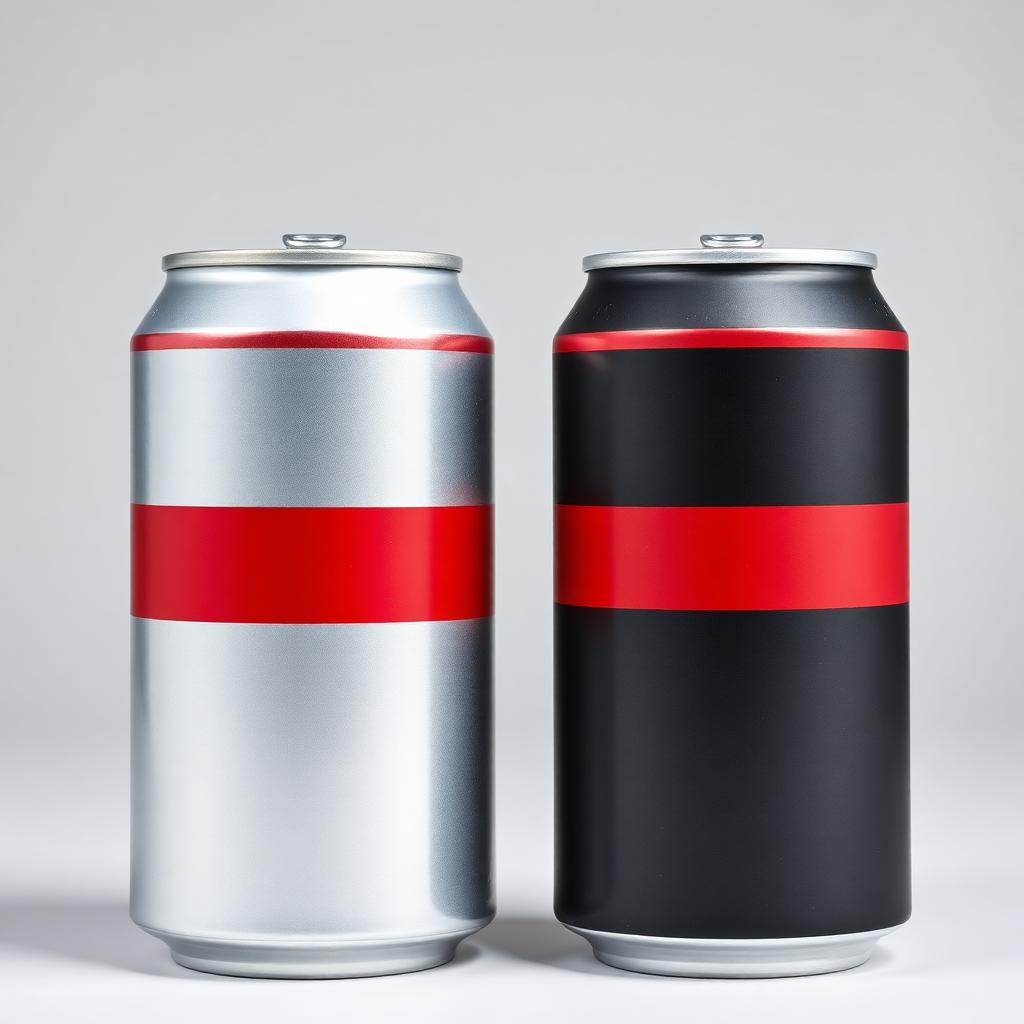
Diet Coke and Coca-Cola Zero Sugar are both zero calorie, zero sugar colas, but they use different flavor concentrates and different acid blends.
Diet Coke (launched in 1982) was built on its own original formula and tastes lighter, crisper, and more citrus forward. Coke Zero Sugar (reformulated globally in 2017) was engineered to mimic classic Coca-Cola as closely as possible.
Diet Coke has about 46 mg of caffeine per 12 oz can. Coke Zero Sugar has about 34 mg per 12 oz can. Both carry roughly 40 mg of sodium, 0 calories, and 0 grams of sugar.
Side by side nutrition (12 oz US can)
| Metric | Diet Coke | Coke Zero Sugar |
|---|---|---|
| Calories | 0 kcal | 0 kcal |
| Total fat | 0 g | 0 g |
| Sodium | 40 mg | 40 mg |
| Total carbohydrate | 0 g | 0 g |
| Total sugars | 0 g | 0 g |
| Protein | 0 g | 0 g |
| Caffeine | 46 mg | 34 mg |
| Potassium | under 5 mg | about 60 mg |
The potassium number is the quiet outlier. Coke Zero Sugar uses potassium citrate as an acidity regulator, which brings the potassium content up noticeably.
The sweetener split
- Diet Coke. Primarily sweetened with aspartame. Some regional and fountain versions add a touch of acesulfame potassium.
- Coke Zero Sugar. A blend of aspartame and acesulfame potassium in every region, with potassium citrate as the acid buffer.
The dual sweetener blend in Coke Zero Sugar is part of why the flavor reads more rounded. Aspartame alone has a faster onset and a thinner mouthfeel; adding acesulfame potassium fills in the back of the tongue and lengthens the perceived sweetness curve.
Why they taste so different

Diet Coke uses the original 1982 Diet Coke concentrate, which was developed independently of the classic Coca-Cola formula. It leans more on phosphoric and citric acid, which is why it carries that sharper bite.
Coke Zero Sugar uses a concentrate engineered to match the classic Coca-Cola flavor map, balanced with potassium citrate instead of pure phosphoric acid. The result is a softer, deeper, more caramel forward taste that lines up with the red can.
Brand teams put it bluntly: Diet Coke is its own brand; Coke Zero Sugar is a sugar free version of Coca-Cola.
Caffeine: the real reason fans pick a side
Per 12 oz can:
- Diet Coke: 46 mg of caffeine, roughly 35 percent more than Coke Zero Sugar.
- Coke Zero Sugar: 34 mg of caffeine, almost identical to classic Coca-Cola at 34 mg.
For context, a standard 8 oz cup of brewed coffee is 95 to 165 mg. A 12 oz Red Bull is 114 mg. Both Diet Coke and Coke Zero Sugar are firmly in the "light caffeine" range, but Diet Coke gives a noticeably stronger lift in a side by side comparison.
Health and safety considerations
- Aspartame. Both drinks contain aspartame, which means both cans carry a phenylalanine warning for people with PKU. The FDA acceptable daily intake is 50 mg of aspartame per kg of body weight. A 70 kg adult would need to drink roughly 19 cans per day to approach that limit.
- Sodium. The 40 mg per can is trivial for most adults but adds up if you drink several cans daily on top of a salty diet.
- Dental impact. Both drinks are acidic (pH around 3.2). Drinking through a straw and rinsing with water afterwards limits enamel exposure.
- Blood sugar. Multiple randomized trials show neither aspartame nor acesulfame potassium meaningfully changes fasting glucose or insulin in non diabetic adults at normal soda quantities.
Which one should you pick
- Pick Diet Coke if you want a sharper, citrus tinged flavor, you grew up on Diet Coke, or you want the bigger caffeine hit.
- Pick Coke Zero Sugar if you want a drink that tastes like classic Coca-Cola without the sugar, or you are caffeine sensitive and want a slightly lighter dose.
- Cherry variants follow the same split. Diet Coke Cherry stays crisp; Coke Zero Sugar Cherry stays close to original Coca-Cola Cherry.
FAQs
Is Coke Zero Sugar the same as Coke Zero?
Yes. Coke Zero Sugar is the 2017 global reformulation of Coke Zero, designed to taste even closer to classic Coca-Cola.
Is one healthier than the other?
From a nutrition label standpoint they are functionally identical. The biggest practical difference is caffeine content.
Why does Coke Zero have potassium?
Potassium citrate is used as an acidity regulator. It contributes around 60 mg of potassium per can, which is still a small amount.
Do they both contain natural flavors?
Yes. Both list "natural flavors" along with caramel color, phosphoric acid, and the sweetener blend.
The takeaway
Diet Coke is its own crisp, lighter, higher caffeine cola. Coke Zero Sugar is a sugar free version of classic Coca-Cola, smoother and slightly lower in caffeine. Calorically and nutritionally they are essentially the same. The right one depends on which flavor profile you actually want in the glass.