Quick Answer
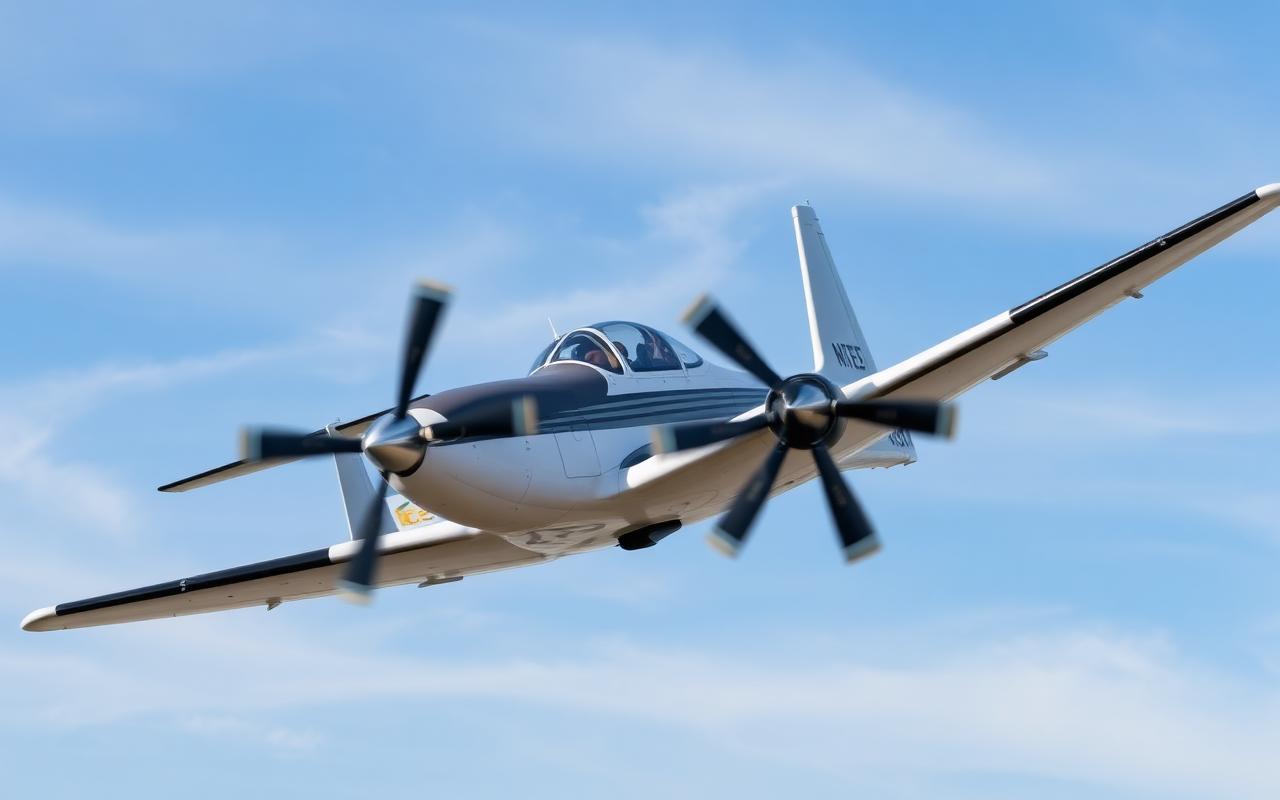
On May 19, 2026 the Department of National Defence announced the Pilatus PC-21, officially designated the CT-157 Siskin II, as the replacement for the Canadian Forces Snowbirds' aging Canadair CT-114 Tutor jets.
The PC-21 is a single engine turboprop trainer, not a jet, but its glass cockpit, +8G envelope, and fighter style controls put it on par with modern jet trainers.
The CT-157 fleet will be based at 15 Wing Moose Jaw and is expected to be fully operational for Snowbirds airshow demonstrations in the early 2030s.
A Historic Day for the RCAF
For more than half a century the sight of nine red and white jets flying tight aerobatics has stirred pride across the country. The Canadian Forces Snowbirds (431 Air Demonstration Squadron) are iconic ambassadors of the Royal Canadian Air Force (RCAF). The aircraft they fly, the legendary Canadair CT-114 Tutor, has been soaring since the 1960s and its retirement has been looming for years.
On May 19, 2026 the Government of Canada officially turned the page. The new aircraft is the Pilatus PC-21, designated the CT-157 Siskin II.
Saying Goodbye to the CT-114 Tutor
The Canadair CT-114 Tutor is deeply woven into Canadian aviation. It served as the RCAF's primary jet trainer from 1963 until 2000, and the Snowbirds have flown slightly modified versions of the Tutor since 1971.
Known for its distinctive engine whine, side by side seating, and nimble low level performance, the Tutor enabled the tight formations that made the Snowbirds famous. Keeping an airframe more than 60 years old in service has become difficult, expensive, and logistically challenging. The 2026 season opens the farewell tour for the legendary jet.
Enter the CT-157 Siskin II (Pilatus PC-21)
The choice of the Pilatus PC-21 is a major technological leap. Built by Swiss manufacturer Pilatus Aircraft, the PC-21 is widely considered the most advanced training aircraft of the 21st century.
It is a turboprop, powered by a 1,600 horsepower Pratt and Whitney Canada engine driving a five bladed graphite propeller, but its performance numbers rival jet trainers.
Key Capabilities of the CT-157 Siskin II
| Feature | Detail |
|---|---|
| Powerplant | Single 1,600 hp Pratt and Whitney Canada turboprop |
| G envelope | +8G to -4G |
| Cockpit | Three large colour LCD displays, HUD, HOTAS controls |
| Role | Snowbirds aerobatics plus advanced fixed wing tactical training |
| Base | 15 Wing Moose Jaw, Saskatchewan |
The cockpit mimics a CF-18 Hornet or F-35, with a fully digital layout. The RCAF will use the CT-157 not just for the Snowbirds but as the core platform for the Future Aircrew Training program. Student pilots will learn advanced fixed wing tactical flying on the Siskin II before moving to multi engine or fighter platforms.
The Significance of the "Siskin" Name
The RCAF often looks to its history when naming aircraft. The Siskin II designation honours the Armstrong Whitworth Siskin, a British biplane fighter flown by the RCAF in the late 1920s.
In 1930 a three aircraft formation team simply called The Siskins became the RCAF's very first official air demonstration team. Naming the new Pilatus fleet the CT-157 Siskin II bridges the gap between Canada's first aerobatic team and the modern future of the Snowbirds.
The Timeline and Transition Plan
Transitioning an entire aerobatic squadron to a radically different aircraft takes time. The CT-157 Siskin II fleet will be based at 15 Wing Moose Jaw in Saskatchewan, the historic home of the Snowbirds and military flight training in Canada.
The Department of National Defence has said onboarding and integration will take several years, with the Siskin II expected to be fully operational for air demonstrations in the early 2030s. During the transition, the RCAF has committed to keeping a Snowbirds presence at airshows across North America, eventually rebuilding back to the iconic nine plane formation in the new aircraft.
What This Means for Canadian Pilot Training
Beyond the airshow circuit, the Siskin II is the backbone of how Canada will train its next generation of fast jet aviators. The fighter style cockpit, advanced simulators, and ability to emulate radar and weapons systems on the aircraft itself means student pilots can complete more of the syllabus on a single platform, which should compress the time from initial training to operational squadron.
Frequently Asked Questions
What plane is replacing the Snowbirds' Tutor jets?
The Government of Canada announced in May 2026 that the Pilatus PC-21, designated the CT-157 Siskin II, will replace the aging CT-114 Tutors.
Is the Pilatus PC-21 a jet?
No. The Pilatus PC-21 is an advanced single engine turboprop, designed to mimic the speed, climb rate, and handling of jet trainers.
Why is it called the Siskin II?
The name honours the Armstrong Whitworth Siskin biplane flown by The Siskins in 1930, the very first official RCAF air demonstration team.
When will the Snowbirds start flying the new planes?
The transition takes several years. The CT-157 Siskin II is expected to be fully operational for Snowbirds airshow demonstrations in the early 2030s.
The Bottom Line
The CT-157 Siskin II is more than just a replacement aircraft. It is a generational upgrade for how Canada trains pilots, how the Snowbirds perform, and how the RCAF honours its own history. Expect a long farewell for the Tutor, and a spectacular new chapter for Canadian aerobatics in the years ahead.