Quick Answer
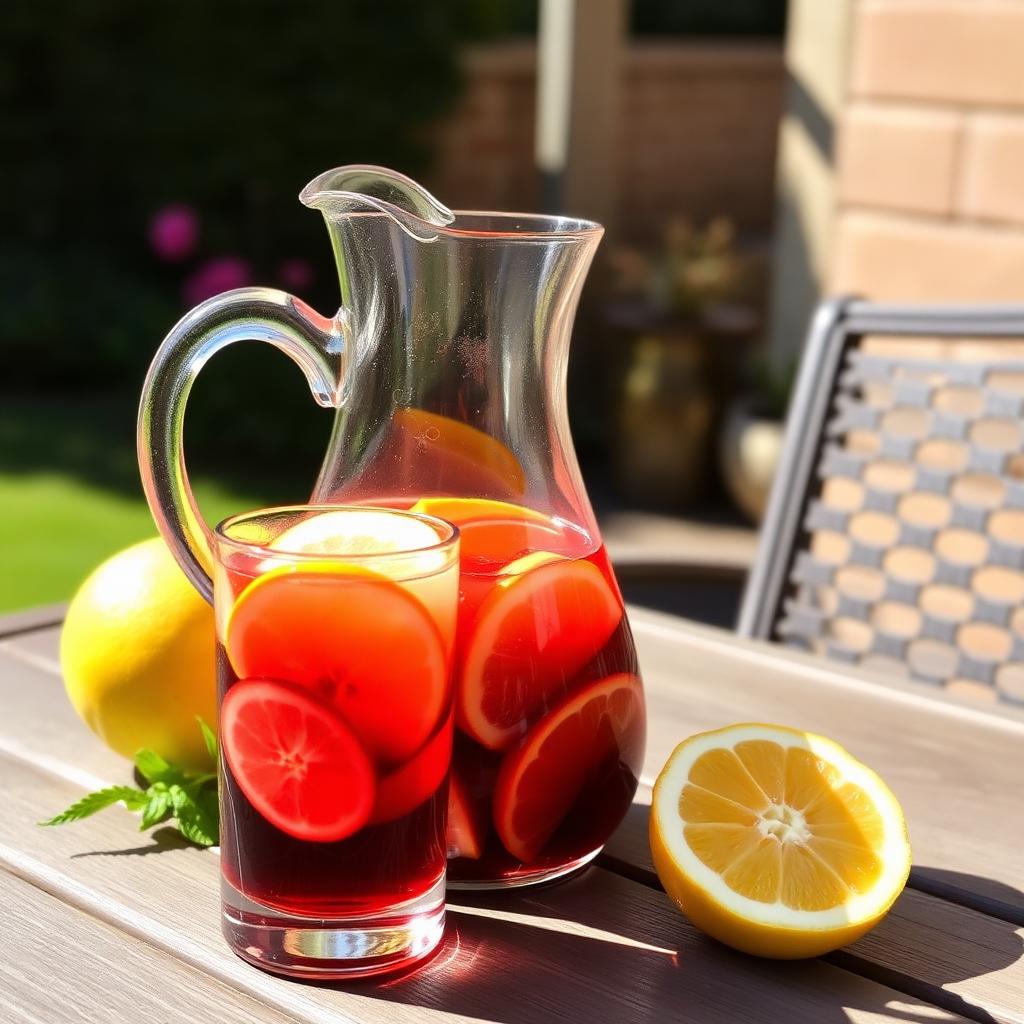
Traditional Spanish red wine sangria is made by macerating chopped apple, orange, and lemon with sugar, Spanish brandy, and orange liqueur for 15 minutes, then adding a bottle of dry Spanish red wine (Garnacha, Tempranillo, or Rioja) and resting it in the fridge for at least 4 hours.
Top each glass with a splash of sparkling water just before serving so the carbonation stays bright. Serve over big ice cubes with some of the macerated fruit in every glass.
Skip cheap wine, skip sugary fruit juice, and never blitz the fruit in a blender.
What makes sangria taste right
A great sangria is a balanced punch: dry fruity wine, gentle sweetness, citrus brightness, and a soft kick from brandy. The wine should taste like wine, the fruit should taste like fruit, and nothing should taste artificial.
Two moves separate good sangria from the watered down jug stuff you get at a tourist trap:
- Maceration of the fruit first, before adding wine.
- A long cold rest before serving.
The maceration step
Pouring fresh fruit straight into wine does not extract much flavour. The cold wine and the intact fruit cells barely interact in a few hours of fridge time.
Maceration fixes this. By tossing chopped fruit with sugar and a high proof spirit first, the sugar pulls juice out of the fruit by osmosis and the brandy strips aromatic oils out of the citrus rind. After 15 minutes, you have a syrupy fruit base loaded with flavour that pours straight into the wine and merges seamlessly.
Pick the right wine
This is not the place for a $4 grocery wine, but you do not need an expensive one either. The sweet spot is a dry, fruit forward Spanish red in the $10 to $15 range:
- Garnacha (Grenache) has bright red fruit and low tannin. The traditional sangria choice.
- Tempranillo from Rioja brings cherry and a touch of earthiness.
- Monastrell (Mourvedre) adds body if you want a heavier sangria.
Avoid oaky Cabernet, big tannic Malbec, or sweet wines like Lambrusco. They fight the fruit instead of supporting it.
Ingredients
| Ingredient | Amount |
|---|---|
| Dry Spanish red wine (Garnacha, Tempranillo, Rioja) | 1 bottle (750 ml) |
| Spanish brandy (Torres or similar) | 1/4 cup |
| Triple Sec or Cointreau | 1/4 cup |
| Organic oranges (1 juiced, 1 sliced) | 2 |
| Honeycrisp apple, cored and cubed | 1 |
| Lemon, sliced into rounds | 1 |
| Cane sugar | 2 tbsp |
| Chilled sparkling water or club soda (to finish) | about 1 cup |
| Cinnamon stick (optional) | 1 |
Method
1. Macerate
Place the chopped apple, orange rounds, and lemon slices in a large glass pitcher. Sprinkle the sugar over the top. Pour in the brandy and triple sec. Add the juice from the second orange. Use a wooden spoon to gently press the fruit a few times to release juice. Rest 15 minutes at room temperature.
2. Add the wine
Pour in the entire bottle of red wine. Stir thoroughly until the sugar dissolves completely and the macerated syrup blends into the wine. Drop in the cinnamon stick if using.
3. Rest cold
Cover and refrigerate at least 4 hours, ideally overnight. This rest is non negotiable. It rounds the tannins, marries the fruit and wine, and turns a sharp mixed drink into a polished punch.
4. Serve
Fill a glass with large ice cubes. Pour the chilled sangria three quarters of the way up, making sure each glass gets some of the macerated fruit. Top with a splash of cold sparkling water for fizz. Stir gently and serve.
Why sparkling water last?
If you add the soda to the pitcher early, it goes flat sitting in the fridge. By topping each glass right before serving, you get a fresh burst of carbonation every time.
Variations
- Sangria Blanca: Swap the red wine for a dry Spanish white like Albarino or Verdejo. Use white peach, green apple, and pear instead of orange and apple.
- Cava sangria: Replace the still red with Spanish Cava for a sparkling punch. Skip the soda topper.
- Stone fruit summer: Add sliced peaches and plums during peak summer for extra sweetness.
- Berry boost: Add a handful of raspberries or blackberries in the last hour of the rest.
Common mistakes
- Cheap sweet wine. The result tastes like cough syrup.
- Using fruit juice from a bottle. Fresh juice or none at all. Bottled orange juice tastes processed in this drink.
- Adding soda to the pitcher. Goes flat in the fridge. Top each glass instead.
- Skipping the rest. A sangria poured immediately tastes sharp and disconnected. The cold rest is what turns the parts into a whole.
Make ahead and storage
Sangria actually improves on day two. Keep the pitcher in the fridge for up to 3 days. After that, the fruit starts to break down and the flavour gets muddy. Always strain out the fruit if you are saving it past 24 hours.
Frequently asked questions
Is sangria strong?
A standard recipe is roughly the alcohol content of the wine plus a small bump from the brandy and triple sec. Diluted with soda over ice, it lands at a moderate aperitif strength.
Can I make a non alcoholic version?
Yes. Use a quality alcohol free red wine plus a splash of pomegranate juice, and replace the brandy and triple sec with extra orange juice and a teaspoon of orange extract.
What food pairs with sangria?
Tapas. Patatas bravas, jamon, manchego, marinated olives, gambas al ajillo, grilled chorizo, and pan con tomate.
Building a tapas spread around your sangria
Sangria is at its best when it is treated as a sipping drink that lasts through a long, relaxed meal. A traditional Spanish tapas spread is the perfect accompaniment because the salty, briny, and oily flavours of the food balance the fruity sweetness of the pitcher.
Start with cold tapas: marinated olives, jamon serrano, manchego cheese with quince paste, and pan con tomate. Move into a few hot bites: gambas al ajillo (garlic shrimp), patatas bravas with smoky aioli, and grilled chorizo. End with a small slice of tarta de Santiago or a wedge of cheese and honey. Sangria carries you straight through that arc without overpowering any course.
How much sangria per person
One standard bottle of wine becomes about 6 servings of sangria after the fruit, brandy, liqueur, and soda are added. Plan on roughly 1.5 to 2 servings per adult guest for a meal, or 2.5 to 3 servings for a longer party. Always make at least one extra batch for an outdoor gathering on a hot day because it disappears faster than you expect.
The takeaway
Real Spanish sangria is not a dump and serve drink. Macerate the fruit, choose a real dry Spanish red, rest it cold, and top with fizz at the last moment. The reward is a balanced, refreshing punch that tastes like a sunny afternoon on a Madrid terrace.