Quick Answer
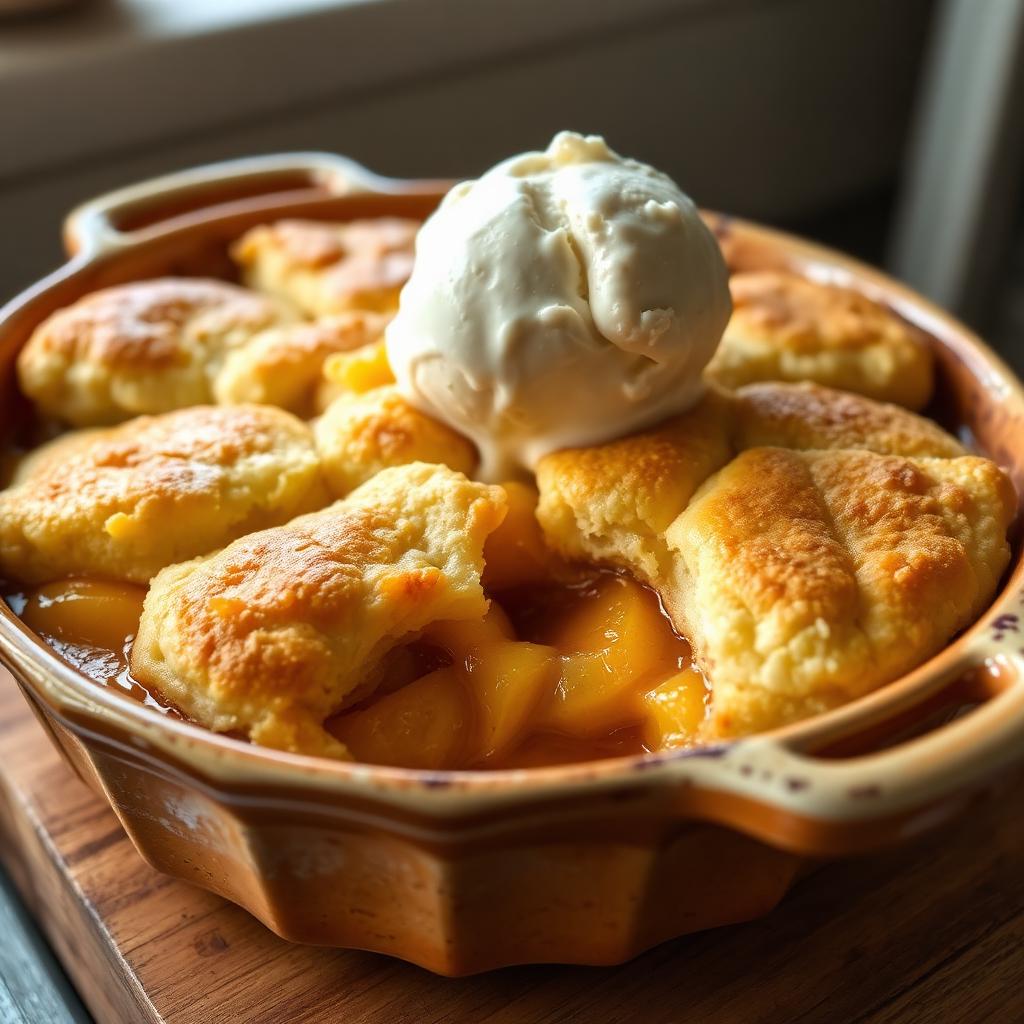
The classic Southern peach cobbler uses fresh peaches tossed with sugar, cornstarch, cinnamon, and lemon juice, par baked in a hot oven for 10 minutes, then topped with a cold buttermilk biscuit dough and finished until the fruit bubbles and the topping turns deep golden.
Bake at 200 C for 10 minutes for the fruit, then 30 to 35 minutes after the topping goes on. Dust the biscuit with turbinado sugar before the second bake for crunch.
Use the blanching trick to peel the peaches in seconds and never use canned peaches in syrup if fresh stone fruit is in season.
Biscuit topping vs cake batter cobbler
There are two major Southern cobbler styles and people will fight you over which is correct.
- The biscuit topping cobbler bakes a tender, flaky drop biscuit over the hot fruit. The biscuit soaks up the bubbling juice on its underside while crisping on top.
- The cake batter cobbler pours a self saucing batter over the fruit. As it bakes, the batter rises and the fruit sinks, creating a soft, cake like layer.
The biscuit version is the older, more traditional Southern blue ribbon recipe. It is the one most often served warm with vanilla ice cream at family dinners and church potlucks. That is the recipe this guide builds.
Peach prep: the blanch and peel trick
Peeling fresh peaches with a knife strips away too much fruit and wastes the juiciest layer just under the skin. The professional method is the same one used for tomatoes.
- Bring a pot of water to a rolling boil. Prepare a bowl of ice water nearby.
- Score a shallow X into the bottom of each peach with a paring knife.
- Submerge the peaches for 45 seconds, then transfer immediately to the ice bath.
- The skins will slide off in seconds, leaving the flesh fully intact.
If your peaches are slightly underripe, give them an extra 15 seconds. If they are very ripe, 30 seconds is enough.
Why you need a thickener
Peaches throw off a lot of liquid as they bake. Without a thickener, the cobbler ends up watery and the biscuit topping floats on a pool of pale juice. The fix is cornstarch.
Toss the sliced peaches with cornstarch and a small splash of lemon juice. The cornstarch binds the escaping juice during baking, transforming it into a glossy, syrupy glaze that clings to the fruit. The lemon juice keeps the colour bright and balances the sweetness.
Ingredients
| Filling | Amount |
|---|---|
| Fresh peaches, peeled and sliced | 5 to 6 cups |
| Organic sugar | 0.5 cup |
| Cornstarch | 1 tbsp |
| Ground cinnamon | 1 tsp |
| Fresh lemon juice | 1 tbsp |
| Buttermilk biscuit topping | Amount |
|---|---|
| All purpose flour | 1.5 cups |
| Granulated sugar | 0.25 cup |
| Baking powder | 2 tsp |
| Fine sea salt | 0.5 tsp |
| Cold unsalted butter, cubed | 6 tbsp |
| Cold buttermilk | 0.5 cup |
| Turbinado sugar (for dusting) | 1 tbsp |
Step by step method
- Toss the peeled peach slices with the sugar, cornstarch, cinnamon, and lemon juice.
- Pour the mixture into a greased 9 by 13 inch baking dish.
- Bake at 200 C for 10 minutes to kickstart the fruit and activate the cornstarch.
- While the fruit par bakes, prepare the topping. Whisk the dry ingredients together, then cut in the cold butter with a pastry cutter until the mixture looks like coarse cornmeal with small pea sized chunks of butter throughout.
- Pour in the cold buttermilk and stir with a fork until a shaggy, sticky dough forms. Do not overwork it.
- Remove the par baked fruit from the oven and drop spoonfuls of biscuit dough across the surface, leaving gaps so steam can escape.
- Dust generously with turbinado sugar for crunch and colour.
- Return to the oven for 30 to 35 minutes until the fruit juices bubble around the edges and the biscuit is deeply golden brown.
Why the par bake matters
Adding raw biscuit dough to cold fruit is the single biggest cause of soggy bottom cobblers. The dough sits on top of cold peaches, soaks up the cold liquid, and never properly cooks through. By par baking the fruit first, you do three things at once:
- Activate the cornstarch and thicken the juices before they ever touch the biscuit.
- Bring the fruit up to oven temperature so the biscuit cooks evenly.
- Concentrate the peach flavour by driving off some of the surface water.
How to serve
Let the cobbler rest for 15 minutes after baking. The cornstarch needs time to fully set as it cools, and the biscuit needs to stop steaming. Serve warm with a scoop of vanilla bean ice cream, lightly whipped cream, or a drizzle of cold heavy cream.
Make ahead and leftovers
The cobbler is best the day it is baked, while the biscuit topping is still crisp. Leftovers keep in the fridge for up to 3 days. Reheat individual servings in a 180 C oven for 8 to 10 minutes to revive the biscuit, not in the microwave, which makes it gummy.
Frequently asked questions
Can I use frozen peaches?
Yes. Thaw and drain thoroughly, then toss with an extra teaspoon of cornstarch to compensate for the added moisture.
Can I make this gluten free?
Swap the all purpose flour for a 1 to 1 gluten free flour blend that contains xanthan gum. The topping will be slightly more tender but still hold together.
What other fruit works in this recipe?
Blueberries, blackberries, plums, and nectarines all work with the same filling and topping ratios. Adjust the sugar slightly down for very ripe stone fruit.
The takeaway
A great Southern peach cobbler comes down to fresh blanched peaches, a cornstarch thickened filling, a par bake step, and a cold buttermilk biscuit topping dusted with turbinado sugar. Get those four moves right and you have a cobbler that will earn you blue ribbons at any picnic, no shortcuts required.