Quick Answer
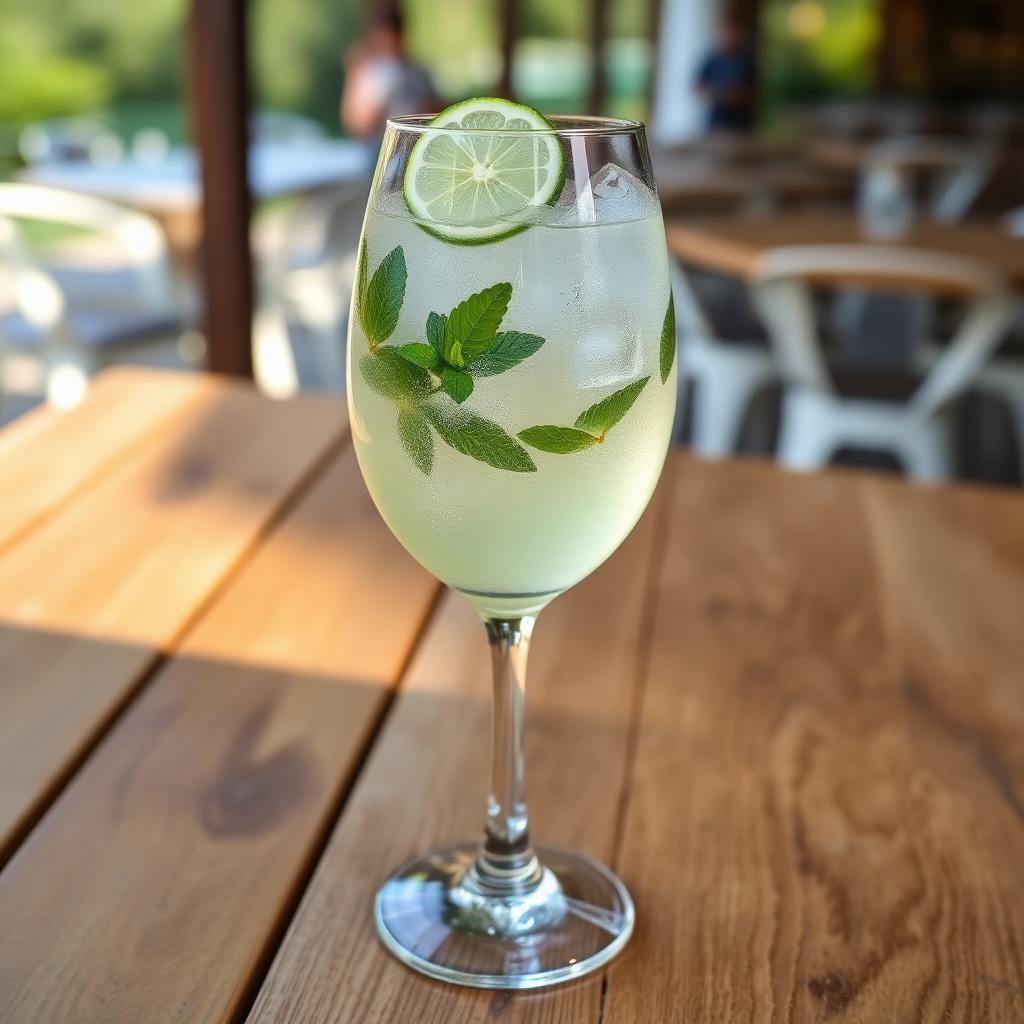
The authentic Alpine Hugo Spritz uses half an ounce of elderflower liqueur or cordial, 4 ounces of chilled Brut Prosecco, 1 ounce of high carbonation club soda, 5 to 6 fresh spearmint leaves, and a clean lime wheel garnish, all built in a large stemmed wine glass over ice.
The single most important technique is the mint clap: smack the mint leaves between your palms once to rupture the cell walls and release the essential oils, instead of muddling them aggressively.
Stir gently from the bottom of the glass to lift the syrup upward and serve immediately so the carbonation stays intact.
Where the Hugo comes from
The Hugo Spritz was invented in 2005 by bartender Roland Gruber at the Sanzeno Bar in Naturns, a village in South Tyrol in Northern Italy. Gruber was looking for a lighter, more floral alternative to the bittersweet Aperol Spritz that dominated the Alpine aperitivo scene.
The original recipe used lemon balm syrup and was quickly switched to elderflower syrup because the elderflowers that bloom across the Dolomites in spring are easier to source and have a more recognisable, bright floral profile. The drink spread across Austria, Germany, and Switzerland within a few years and is now a fixture in every Alpine cafe.
Liqueur vs cordial: which one to use
There are two ways to bring elderflower into a Hugo, and the choice changes the drink.
- Elderflower liqueur (such as St-Germain) adds floral aroma and a small extra kick of alcohol. The cocktail ends up slightly drier and more boozy.
- Elderflower cordial (a non alcoholic syrup) adds the same floral note but skews the drink sweeter and lower in alcohol. This is closer to the original Alpine recipe.
For a craft cocktail bar version, use St-Germain. For a backyard summer version that anyone can drink without thinking too hard, use a good supermarket elderflower cordial.
How the Hugo compares to the Aperol Spritz
| Drink | Bittersweet level | Aroma profile | Colour |
|---|---|---|---|
| Aperol Spritz | Medium bitter | Bitter orange, gentian, rhubarb | Vivid orange |
| Hugo Spritz | Lightly sweet | Elderflower, fresh mint, lime | Pale green to clear |
| Select Spritz | Strong bitter | Herbal, rhubarb forward | Deep red |
The Hugo is the easiest drinking of the three. It is the spritz to make for guests who say they do not like the Aperol bitterness.
Ingredients
- 0.5 oz (15 ml) St-Germain elderflower liqueur or premium elderflower cordial
- 4 oz (120 ml) chilled Brut Prosecco
- 1 oz (30 ml) club soda with strong carbonation
- 5 to 6 fresh spearmint leaves
- 1 clean lime wheel
- Large solid ice cubes
Why Brut Prosecco matters
As with the Aperol Spritz, the sweetness of the Prosecco controls the balance. Elderflower already adds sweetness, so pairing it with a sweet sparkling wine pushes the drink into syrup territory.
Brut or Extra Brut Prosecco keeps the cocktail crisp and lets the floral and mint notes lead. Avoid bottles labelled Extra Dry, Dry, or Demi Sec, which sound dry but are actually sweeter than Brut in the Italian wine classification.
The mint clap technique
This is the bartender move that separates a good Hugo from a great one. Muddling mint aggressively against the bottom of the glass tears the leaves and releases bitter chlorophyll, which makes the drink taste vegetal and slightly grassy.
The clap method is gentler and more effective.
- Place the mint leaves flat on the palm of one hand.
- Bring your other palm down firmly and clap once.
- The impact ruptures the oil glands in the leaves without tearing them.
- Drop the clapped leaves straight into the glass.
You will smell the mint oils released immediately. That aroma is exactly what you want carried up through the bubbles of the finished drink.
Step by step build
- Clap the fresh mint leaves and drop them into a large stemmed wine glass.
- Add the elderflower liqueur or cordial and press the mint gently against the side of the glass with a cocktail spoon for 5 seconds.
- Fill the glass to the brim with large solid ice cubes.
- Pour the chilled Brut Prosecco slowly down the side of the glass.
- Top with the club soda.
- Stir once gently from the bottom of the glass to lift the syrup layer upward without losing carbonation.
- Garnish with the lime wheel sliding it down between the ice and the glass.
- Serve immediately.
Common mistakes
- Muddling the mint instead of clapping it.
- Using sweet Prosecco, which doubles up the sugar load.
- Skipping the lime, which is what cuts the floral sweetness and keeps the drink crisp.
- Filling the glass with crushed ice instead of large cubes, which over dilutes the drink in under 10 minutes.
Important note on alcohol
The Hugo is light and easy drinking, which makes it deceptively easy to over pour. Stick to the listed measurements, drink water between rounds, and only serve to adults of legal drinking age in your country.
Frequently asked questions
Can I make a Hugo without alcohol?
Yes. Use elderflower cordial, swap the Prosecco for a quality alcohol free sparkling wine, and keep the soda, mint, and lime. The flavour profile holds up almost perfectly.
Can I batch a pitcher for a party?
Add the Prosecco and soda only at the last minute. Pre mix the elderflower, mint, and lime in a jug, then build each glass over ice individually so the carbonation stays alive.
What food pairs with a Hugo Spritz?
Light, savoury, salty bites. Think prosciutto, melon, marinated olives, soft cheeses, focaccia, and seafood crostini.
The takeaway
The Hugo Spritz is the easiest floral aperitif you can pour. Build it on Brut Prosecco, elderflower, fresh clapped mint, and lime, in that order, and serve it over big ice in a wide wine glass. Treat the mint gently, keep the carbonation alive, and you have a perfect Alpine summer drink in under 60 seconds.