Quick Answer
In May 2026, Australia's ACCC issued a national recall on Creative brand metallic cake decorating powders supplied by Crumb Australia, after a Queensland toddler was placed in an induced coma from inhaling the dust.
The dusts contain finely milled copper and zinc, which can cause severe lung injury when inhaled and acute heavy metal toxicity if eaten in quantity. The packaging carried a "non toxic" label, which is not the same thing as "edible".
If you own any Creative brand metallic decorating powder, stop using it immediately, keep it out of reach of children, and return it to the point of purchase for a refund.
What Triggered the Recall
The recall was prompted by a tragic incident in mid May 2026 in Queensland. A two year old named Dusty Wildman accessed and inhaled a substantial quantity of metallic cake decorating powder belonging to his mother, professional baker Katie Robinson.
The toddler suffered acute respiratory distress, required emergency surgery, and was placed in an induced coma. His treating team has since told the family that he is likely to face lifelong lung injuries that will require long term physiotherapy and occupational therapy.
The Product at the Centre of the Recall
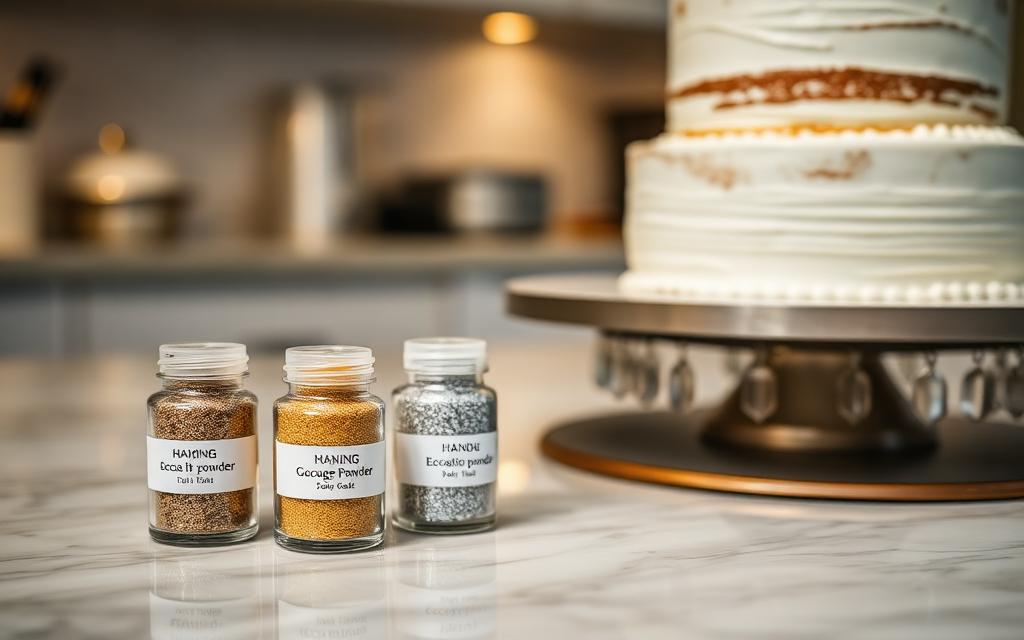
The recall covers metallic cake decorating powders sold under the Creative brand, supplied in Australia by Crumb Australia. The product line includes a range of gold, silver, rose gold, and bronze metallic dusts in small twist top pots.
The dusts have been on sale in Australia since 2019, both in independent baking supply stores and through online retailers that ship internationally. Crumb Australia voluntarily withdrew the product before the ACCC issued the formal nationwide alert, but thousands of pots are estimated to still be in home pantries.
According to the safety alert, these specific metallic dusts are intended only for use on removable decorative elements such as fondant figures and gum paste flowers, which are taken off the cake before it is served. They are not formulated for direct contact with food that will be eaten, and they are not formulated to be inhaled at all.
Why Copper and Zinc Dust Is Dangerous
The reflective shine in many cheap metallic luster dusts comes from finely milled real metal, typically copper, zinc, or a combination. In solid form these metals are relatively harmless to handle. As a microscopic powder, the safety profile changes completely.
Inhalation risk. Particles small enough to aerosolise bypass the body's natural filtration in the nose and throat. They lodge deep in the alveoli of the lungs, triggering rapid inflammation, fluid buildup, and potentially permanent scarring (pulmonary fibrosis).
Ingestion risk. Heavy concentrations of copper or zinc swallowed in one sitting can cause acute heavy metal toxicity, with gastrointestinal distress, liver injury, and in extreme cases neurological symptoms.
"Non Toxic" Does Not Mean "Edible"
The single most important takeaway from the Creative cake decorating recall is a labelling distinction that the baking community has been arguing about for years.
Edible means a product is legally classified as food by a regulator such as Food Standards Australia New Zealand, the FDA in the United States, or the FSA in the United Kingdom. It is made from digestible ingredients and is approved for consumption.
Non toxic means a small accidental ingestion will not immediately poison you. Crayons, school glue, and play dough are non toxic. None of them are food.
Many decorators have been brushing entire cakes with non toxic luster dusts, assuming the label was a guarantee of food safety. It is not. The recall is forcing a long overdue reckoning with that confusion.
What to Do If You Own the Product
The ACCC's consumer guidance is clear and immediate.
- Audit your baking pantry. Pull out every metallic luster dust, petal dust, and edible glitter you own.
- Identify any Creative branded metallic powder from Crumb Australia and stop using it immediately.
- Store any affected pots securely, well out of reach of children and pets.
- Return the product to the point of purchase for a full refund.
- Going forward, only buy decorating dusts whose label explicitly says "100% edible" and lists approved food colourings.
Symptoms to Watch For
If a child or adult in your household may have inhaled or ingested the powder, watch for persistent coughing, wheezing, chest pain, shortness of breath, vomiting, abdominal pain, or unusual lethargy. Seek urgent medical attention and take the product packaging with you so clinicians know exactly what they are dealing with.
How This Reshapes the Cake Decorating Industry
The recall is likely to accelerate trends already taking hold in 2026. Decorators are leaning into fully edible, plant based finishes such as buttercream florals, pressed edible botanicals, fruit purees, and naturally coloured wafer paper. Isomalt and pulled sugar work, which uses food grade sugar substitutes, is replacing the heavy metallic dusts that defined the late 2010s aesthetic.
For professional bakers, expect insurers and venues to start requiring documentation that every decoration on a served cake is food grade. For home bakers, the simplest rule is the safest one: if it is going on something a guest will eat, the label needs to say edible, not just non toxic.
The takeaway
The 2026 Creative cake decorating recall is a brutal reminder that "non toxic" was never the same as food safe. If you have any Creative brand metallic powder in your kitchen, take it out today, lock it away from children, and return it. And next time you reach for a luster dust, read the label twice.
Frequently Asked Questions
What product was recalled?
Creative brand metallic cake decorating powders, supplied in Australia by Crumb Australia, in all colours and pot sizes.
Is the recall only in Australia?
The formal ACCC recall is Australian, but the product has been shipped internationally since 2019, so consumers in other countries should also check their supplies.
Can I get a refund?
Yes. Return the product to the place of purchase for a full refund per the ACCC alert.