Quick Answer
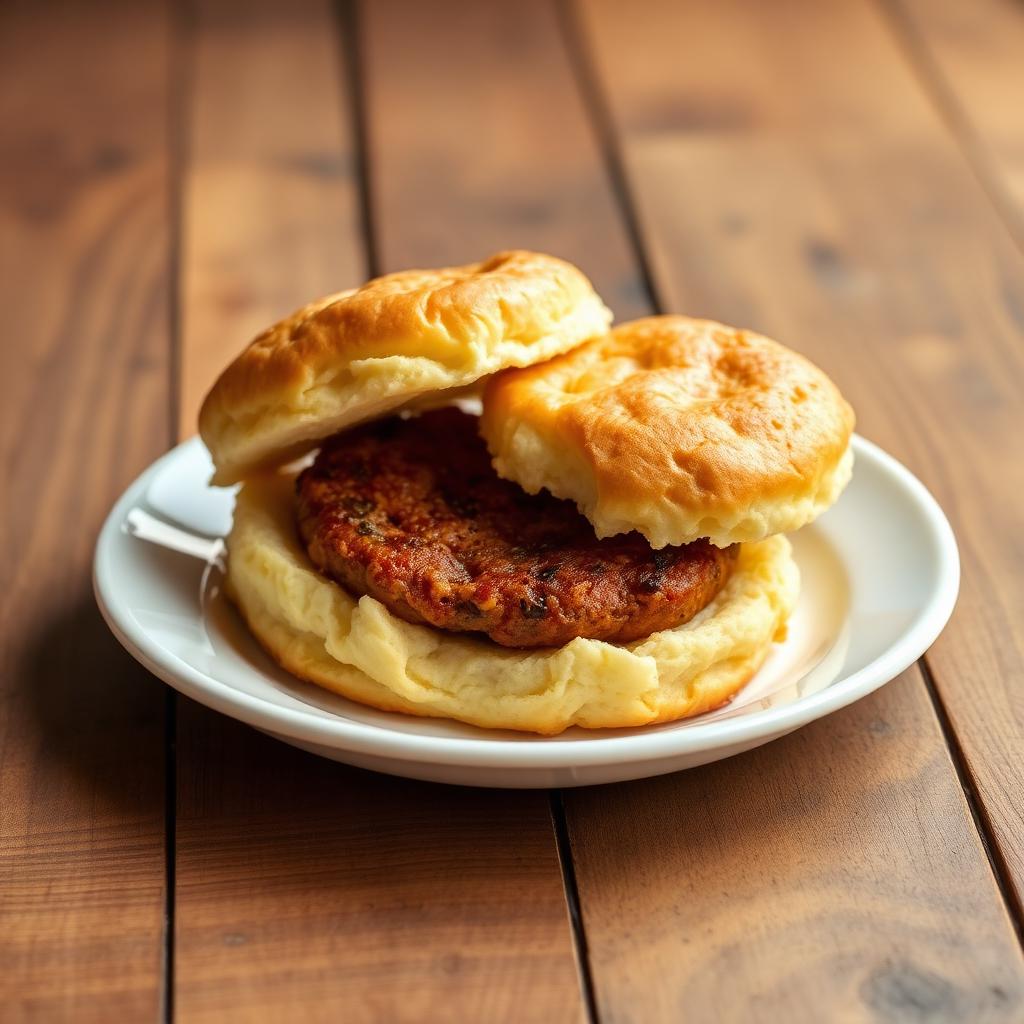
A sausage biscuit is a Southern style breakfast sandwich made from a seasoned pork sausage patty tucked inside a split buttermilk biscuit. A standard quick service version weighs about 115 g and delivers roughly 460 calories, 28 g of fat, 36 g of carbohydrates, 14 g of protein, and around 1,050 mg of sodium.
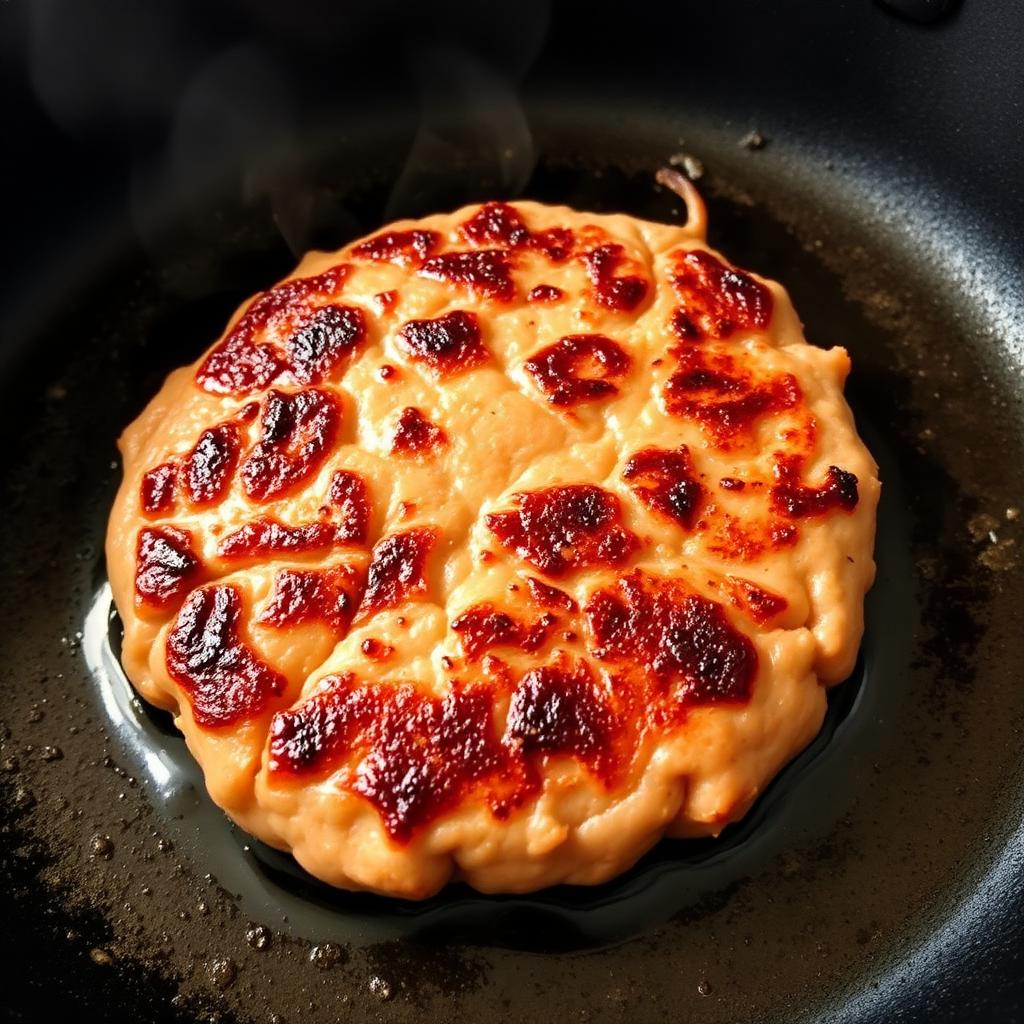
The magic is in two textures. A pork patty seared at about 375 F (190 C) develops a deep Maillard crust that locks in juices, while a tall, layered biscuit stays light and flaky underneath. Get the sear right and the sandwich tastes balanced. Get it wrong and the biscuit turns soggy with grease.
You can build a sausage biscuit at home in 25 minutes with fresh biscuits and a half pound of bulk breakfast sausage, and it costs a fraction of the drive through version.
What goes into a sausage biscuit
The biscuit half is built from soft wheat flour, baking powder, a pinch of salt, cold butter or shortening, and buttermilk. The acidity in the buttermilk reacts with the baking powder to create a tall rise, and the cold fat creates steam pockets that turn into flaky layers in the oven.
The sausage half is loose ground pork seasoned with sage, black pepper, and a small amount of brown sugar. Most commercial breakfast sausages run 25 to 30 percent fat. That fat is what carries the flavour and keeps the patty juicy, but it is also why searing matters.
Typical nutrition profile
| Per sandwich (about 115 g) | Amount | Percent daily value |
|---|---|---|
| Calories | 460 | n/a |
| Total fat | 28 g | 36 percent |
| Saturated fat | 11 g | 55 percent |
| Total carbohydrates | 36 g | 13 percent |
| Dietary fiber | 1 g | 4 percent |
| Protein | 14 g | 28 percent |
| Sodium | 1,050 mg | 46 percent |
Why searing matters
The Maillard reaction kicks in around 300 F and accelerates above 350 F. When the surface of the sausage patty hits a hot dry pan or griddle, amino acids and reducing sugars in the meat react to form hundreds of new flavour compounds, giving the crust its savoury, almost nutty edge.
If the pan is too cold, the fat renders out before the surface sets. The patty simmers in its own grease, loses moisture, and slides into the biscuit, which then absorbs the fat and goes limp. Hot pan, dry surface, three to four minutes a side. That is the entire trick.
How to make one at home
- Make the biscuits. Bake fresh buttermilk biscuits or use a quality tube dough at 425 F (218 C) until tall and golden.
- Shape the patties. Form 70 g portions of bulk sausage into thin patties slightly wider than the biscuit. They shrink as they cook.
- Heat the pan. Cast iron or carbon steel over medium high. Wait for a drop of water to skitter and evaporate.
- Sear. Lay the patties down and leave them alone for 3 to 4 minutes. Flip once. Internal temperature should hit 160 F (71 C).
- Assemble. Split a warm biscuit, lay the patty on the bottom half, and close. Eat within 5 minutes for the best texture contrast.
Variations worth trying
- Sausage egg and cheese. Add a folded over fried egg and a slice of American cheese.
- Hot honey drizzle. A teaspoon of hot honey over the patty balances the salt and fat.
- Maple sausage. Swap regular pork for maple seasoned bulk sausage.
- Cheddar biscuit base. Fold 60 g of sharp cheddar into the biscuit dough before baking.
How it compares to other breakfast sandwiches
A sausage biscuit usually has more saturated fat than an egg McMuffin style sandwich because of the pork fat and the butter in the biscuit. It is also typically lower in protein per calorie than a chicken breast based breakfast sandwich. The sodium load is the biggest concern, often pushing past 1,000 mg in a single sandwich, so it is worth pairing with a lower sodium lunch.
Storage and reheating
Cooked patties freeze well for up to 2 months in a sealed bag. Reheat from frozen in a 350 F oven for 10 minutes. Baked biscuits go stale within a day at room temperature but freeze well, wrapped in foil, for a month. Reheat wrapped in foil at 325 F for 8 minutes.
Frequently asked questions
Is a sausage biscuit healthy?
It is a treat food. The fat and sodium are high, so it sits best as an occasional breakfast rather than a daily one. Pair it with fruit or a side of plain yogurt to balance the meal.
Can I make a sausage biscuit with turkey sausage?
Yes. Turkey sausage cuts the saturated fat by about half but needs a little oil in the pan because it renders less fat of its own.
Why is my biscuit soggy?
The patty was not seared hard enough, or it was assembled too soon and steamed inside the biscuit. Let the patty rest 30 seconds on a wire rack before assembly.
What is the best gravy to serve with it?
Classic Southern sawmill gravy made from the rendered sausage fat. A ladle over the open faced biscuit turns it into a full plate breakfast.