Quick Answer
On Saturday, May 16, 2026, a 38 year old spearfisher was killed in a great white shark attack at Horseshoe Reef, near Rottnest Island off the coast of Western Australia. He was floating on the surface roughly 80 meters from shore and 20 meters from his anchored boat when a 4 to 5 meter great white bit him on the legs.
His friends pulled him aboard and rushed him to a jetty at Geordie Bay where paramedics performed CPR. He could not be revived. The Department of Primary Industries and Regional Development closed surrounding beaches and dispatched Water Police boats and aerial drones to track the shark.
The Incident at Horseshoe Reef
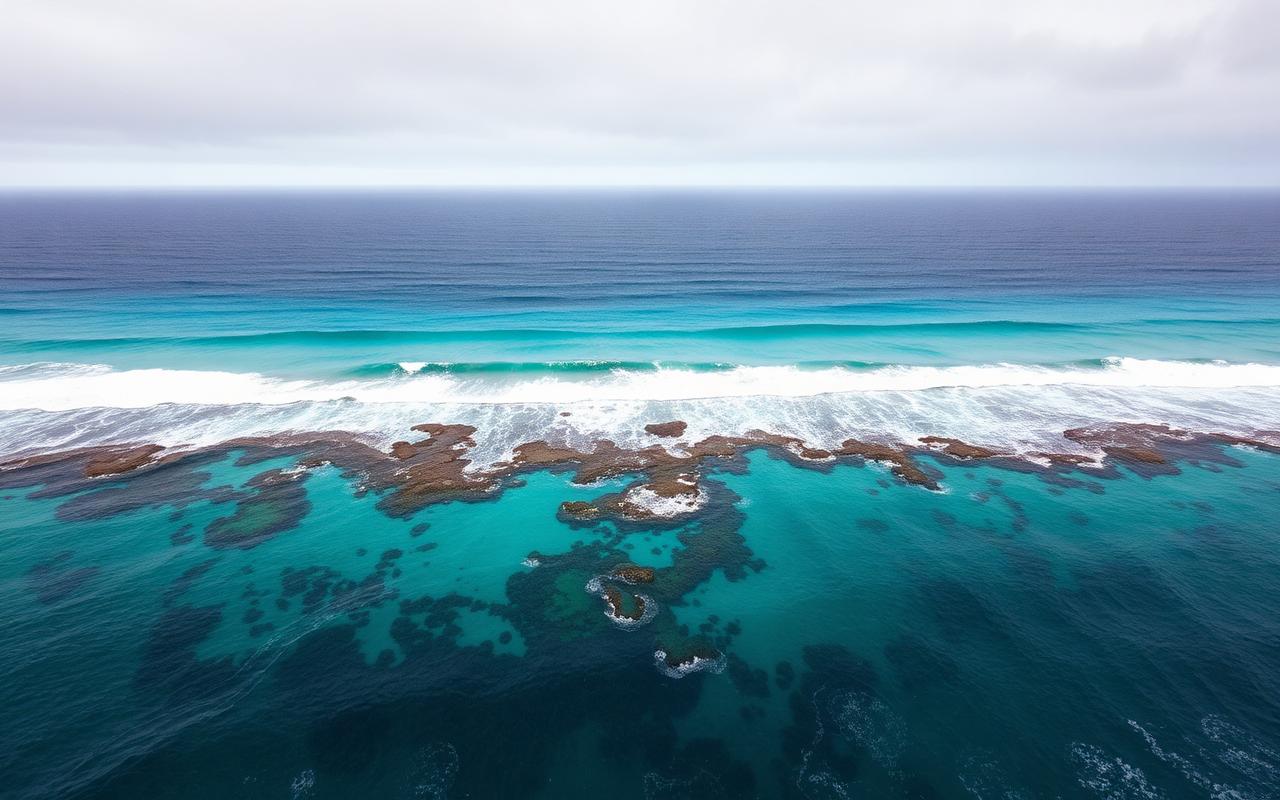
The tragedy unfolded just before 10:00 AM local time near Horseshoe Reef, a popular marine site just off the coast of Rottnest Island. Located about 19 kilometers west of Perth, Rottnest is a major tourist hub famous for its quokkas and crystal clear snorkeling spots.
According to Western Australia Police, the 38 year old victim was visiting the island with three friends from the northern suburbs of Perth. The group had taken a small vessel out to spearfish, an activity that carries a higher risk of shark encounters because of the presence of struggling, bleeding fish in the water.
The Attack
The man was floating on the surface roughly 80 meters off the coast and 20 meters from his anchored boat when the attack occurred. He was bitten on the legs without warning. Based on eyewitness accounts and aerial observations by Surf Life Saving WA, the predator was a great white shark estimated at 4 to 5 meters (13 to 16 feet) in length.
The Emergency Response
His friends pulled him from the water and brought him aboard the vessel, then navigated to a nearby jetty at Geordie Bay on the northern side of Rottnest Island. St. John WA Ambulance paramedics and police were waiting on the dock.
A St. John WA Ambulance spokesperson confirmed that the man was conveyed by vessel to shore, where he was met by paramedics, but he could not be revived. CPR was performed at the jetty, but the trauma to his lower extremities proved fatal before any airlift to a mainland trauma center was possible.
Public Safety Warnings and Closures
In the immediate aftermath, the Department of Primary Industries and Regional Development issued urgent safety warnings and closed all beaches and waters around Geordie Bay and Horseshoe Reef. Officials urged residents and tourists to exercise additional caution and to obey all closure signs.
Water Police boats and aerial surveillance drones were deployed to track the great white, which reportedly remained in the offshore vicinity for several hours after the attack.
A Grim Year for Australian Waters
The incident marks the second fatal shark attack in Australian waters in 2026 and adds to a concerning trend.
- January 2026. A 12 year old boy died a week after being attacked in Sydney Harbor, and a cluster of three non fatal attacks occurred within 48 hours along the New South Wales coast earlier in the year.
- Western Australia context. The Horseshoe Reef death is the first fatal attack in Western Australia since March 2025, when a surfer was killed under similar conditions.
Shark attacks remain statistically rare, with the Taronga Conservation Society recording roughly 1,300 incidents in Australia since 1791. The continued presence of large great whites near popular tourist destinations like Rottnest still demands respect.
How to Stay Safer in Australian Waters
- Swim only at patrolled beaches and obey lifeguard and DPIRD signage.
- Avoid swimming, surfing, or spearfishing at dawn and dusk when sharks feed.
- Stay close to shore and avoid murky water or river mouths.
- Consider a personal shark deterrent device when surfing, diving, or spearfishing.
- Never spearfish alone, and remove speared fish from the water quickly.
Frequently Asked Questions
Where did the Horseshoe Reef shark attack happen?
Near Horseshoe Reef, just off Rottnest Island in Western Australia, about 19 kilometers west of Perth.
When did the attack occur?
Just before 10:00 AM local time on Saturday, May 16, 2026.
What kind of shark was involved?
A great white shark estimated at 4 to 5 meters in length.
Are Rottnest Island beaches closed?
Beaches and waters around Geordie Bay and Horseshoe Reef were closed in the immediate aftermath. Check the Department of Primary Industries and Regional Development for current status before visiting.
The Incident in Brief
A 38 year old spearfisher died following a shark attack at Horseshoe Reef near Rottnest Island in Western Australia. The attack occurred during a recreational spearfishing trip in waters that have historically attracted experienced divers.
The Authorities' Response
- Initial search and rescue coordinated by Western Australia Police Marine Operations.
- Department of Primary Industries and Regional Development conducted post incident analysis.
- Beach closures and shark monitoring increased in surrounding waters.
What Witnesses Reported
Fellow divers in the area reached the victim quickly and brought him aboard a nearby vessel. Despite immediate first aid and rapid evacuation, the injuries proved fatal. Witnesses described the encounter as sudden and unprovoked.
Species Identification
Marine biologists examining bite patterns and witness descriptions have indicated the attack was likely from a large white shark, which is the most common species responsible for fatal incidents in Western Australian waters.
Why Horseshoe Reef
- Productive fishing grounds that attract experienced spearfishers.
- Proximity to seal colonies that draw large sharks.
- Variable visibility that can reduce reaction time during encounters.
How to Reduce Risk
Spearfishers can minimize risk by diving with a partner, removing speared fish from the water quickly, using shark deterrent devices, and avoiding areas with active seal populations during dawn and dusk hours when shark activity peaks.
The Wider Community Response
The Western Australian spearfishing and freediving community has united in grief while continuing to advocate for balanced ocean management that respects both human recreation and marine ecosystems. The conversation about shark mitigation, including drum lines, tagging, and warning systems, continues to evolve.
A Sobering Reminder
Ocean recreation comes with inherent risks that no precaution eliminates completely. Respect for the environment, awareness of conditions, and preparation for emergencies remain the best tools available to those who choose to enter the water.