Quick Answer
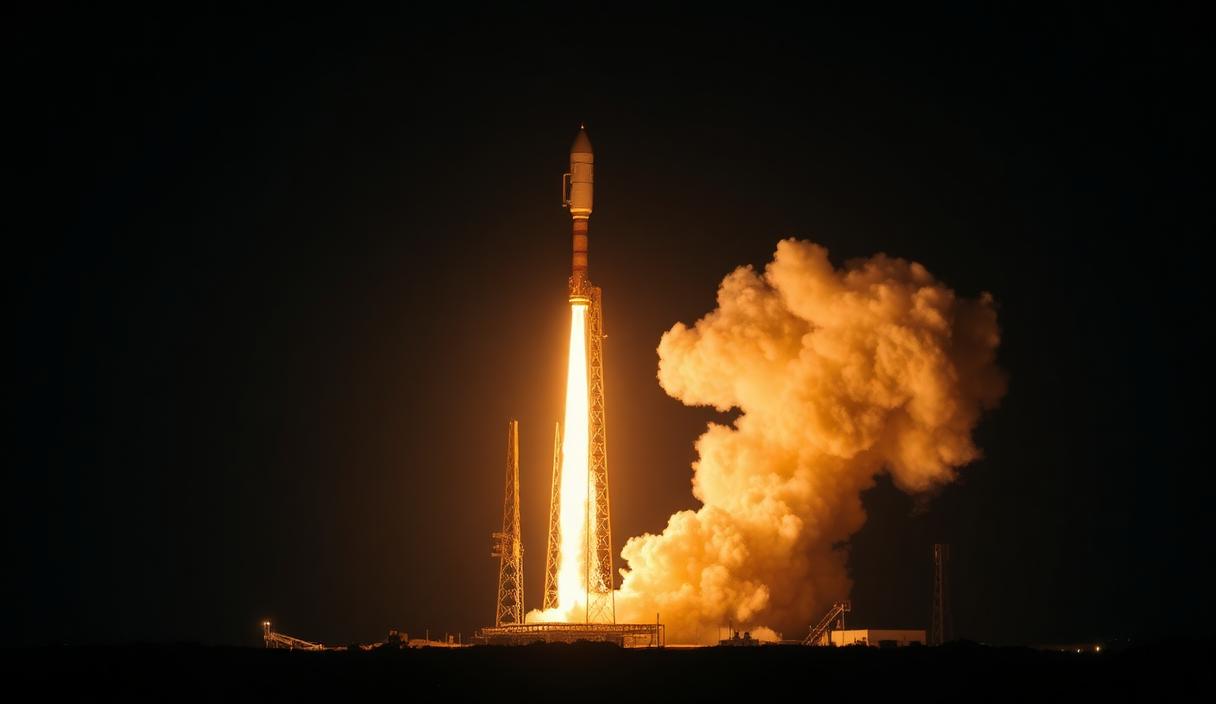
On the night of May 28, 2026, at approximately 9:00 PM Eastern, an uncrewed Blue Origin New Glenn heavy lift rocket suffered a catastrophic explosion at Cape Canaveral's Space Launch Complex 36 (SLC-36) during a routine static hotfire engine test. The blast lit up the night sky for miles, sent a shockwave across the cape, and pushed a towering plume of fire and smoke into the atmosphere.
Crucially, all pad personnel were accounted for and there were zero injuries or fatalities. Founder Jeff Bezos confirmed the safety status on X and pledged to rebuild. The incident freezes Amazon's Project Kuiper satellite deployment timeline, delays NASA's Artemis III Blue Moon lander preparations, and triggers a meticulous FAA root cause investigation. You cannot buy Blue Origin stock because the company remains entirely private.
What Actually Happened on the Pad
The rocket in question, internally designated Glenn LN-01, was being prepared for its fourth mission, scheduled for as early as June 4, 2026. The May 28 test was a static hotfire, the standard pre flight procedure in which a fully fuelled rocket is bolted to the launch pad while its main engines briefly ignite to verify performance.
The hotfire is intentionally one of the most controlled, instrumented moments in a launch campaign. That is exactly why a failure during the test is so jarring. Blue Origin officials described the event as an "anomaly," the standard aerospace euphemism for severe technical flight or pad failures, and the company has not yet released a preliminary root cause.
Zero Injuries, Major Infrastructure Damage
Despite the spectacular visuals, Blue Origin and the Cape Canaveral Space Force Station issued joint statements confirming that all personnel were accounted for and uninjured. The pad's automated safety perimeters and evacuation protocols worked exactly as designed.
The physical infrastructure damage, however, is severe. SLC-36 is currently Blue Origin's only active, fully equipped launch pad capable of handling the massive New Glenn booster, which is powered by liquid oxygen and liquefied natural gas. The intensity of the blast means ground equipment, fueling lines, and the structural launch tower will likely require months of engineering analysis and rebuilding before another New Glenn rocket can be rolled out.
Bezos addressed the aerospace community and anxious investors directly on X late Thursday evening, writing that all personnel were accounted for, that the team would find the root cause, and that they would "rebuild whatever needs rebuilding and get back to flying." His sign off was direct: "It's worth it."
Amazon Project Kuiper Takes a Big Hit
The primary commercial payload for the now frozen June mission was a cluster of 48 advanced satellites for Amazon's Project Kuiper, the flagship low Earth orbit internet initiative built to compete directly with Elon Musk's dominant Starlink network.
The 48 satellites were not physically mounted inside the rocket's payload fairing during the static fire test, which saved billions of dollars in hardware and was the single best piece of news from the night. However, the launch freeze paralyses Amazon's near term satellite deployment schedule. Project Kuiper has FCC milestones tied to specific constellation completion dates, and losing the only path to orbit for its largest payload class is a serious problem.
Amazon will almost certainly explore short term ride share options on competing rockets, but no rival vehicle can match New Glenn's fairing volume and lift capacity on Amazon's preferred orbital inclinations without significant mission redesign.
NASA Artemis and the Blue Moon Lander
The ripple effects extend all the way to NASA's lunar ambitions. The agency has been heavily relying on the New Glenn heavy lift platform to launch Blue Origin's Blue Moon lander, a vital component of the upcoming Artemis III mission aimed at returning American astronauts to the lunar surface.
With the launch platform compromised, NASA administrators are forced to re evaluate near term mission timelines. Realistically, a multi month rebuild of SLC-36 plus an FAA cleared return to flight investigation means the earliest plausible Blue Moon launch slips by at least a quarter, and possibly more depending on what the anomaly investigation surfaces.
The FAA Investigation and What Comes Next
Because the incident occurred during a static ground test rather than an active flight, the FAA noted that the event technically fell outside the immediate scope of active FAA licensed flight activities, and there was zero impact to local commercial air traffic.
That said, this is the second New Glenn anomaly in a short window. A separate second stage issue grounded the vehicle on April 19. Federal regulators will almost certainly oversee a grueling, meticulous root cause investigation before clearing New Glenn to return to flight, and they will look carefully at whether the two anomalies share any common factor in design, manufacturing, or quality control.
For Blue Origin, the path forward is a familiar one in aerospace. Recover the debris, dump the telemetry into the simulation team, isolate the failure mode, redesign or re qualify the affected components, and then run the corrective actions back through an updated test campaign before the next hotfire.
Can You Buy Blue Origin Stock?
For casual investors trying to trade on the headline, the structural answer is direct. You cannot buy Blue Origin stock on the public market.
Unlike its corporate sibling Amazon, Blue Origin operates entirely as a privately held aerospace and national defence corporation. Jeff Bezos finances the entity primarily through his personal wealth and private equity allocations. There is no ticker symbol, no public share price, and no direct way for retail investors to react to the Cape Canaveral pad explosion through a brokerage account.
The closest indirect exposure comes through Amazon (AMZN) given Project Kuiper's dependence on New Glenn, and through publicly traded aerospace suppliers that hold contracts with Blue Origin. Neither is a clean proxy.
What This Means for the Commercial Space Race
Spaceflight is an uncompromising, unforgiving endeavour, and pad explosions are an unfortunate part of the iteration cycle for every heavy lift vehicle. SpaceX lost an Amos 6 payload on the pad in 2016 during a similar fueling operation, and the company recovered and ultimately dominated the orbital launch market.
Blue Origin is not in that position yet. Where SpaceX absorbs a pad loss and keeps flying Falcon 9 at high cadence, Blue Origin has a single pad, a small flight history, and a competitor reaching orbital cadence Blue Origin has not yet demonstrated. As Elon Musk replied to Bezos after the incident, "Sorry to see this, I hope you recover quickly." It was, by Musk standards, generous.
The Takeaway
The May 28, 2026 Blue Origin New Glenn explosion was a worst case scenario for Blue Origin's launch infrastructure but a best case outcome for human safety. Every person on the pad walked away, the 48 Project Kuiper satellites were not on board, and the company has the financial backing to rebuild SLC-36 and return to flight. The bigger story is the timeline collateral: Amazon's satellite deployment is frozen, NASA's Artemis III Blue Moon lander schedule is at risk, and Blue Origin will spend the next several months proving to regulators that New Glenn's recent string of anomalies has a clear, fixable root cause.