Quick Answer
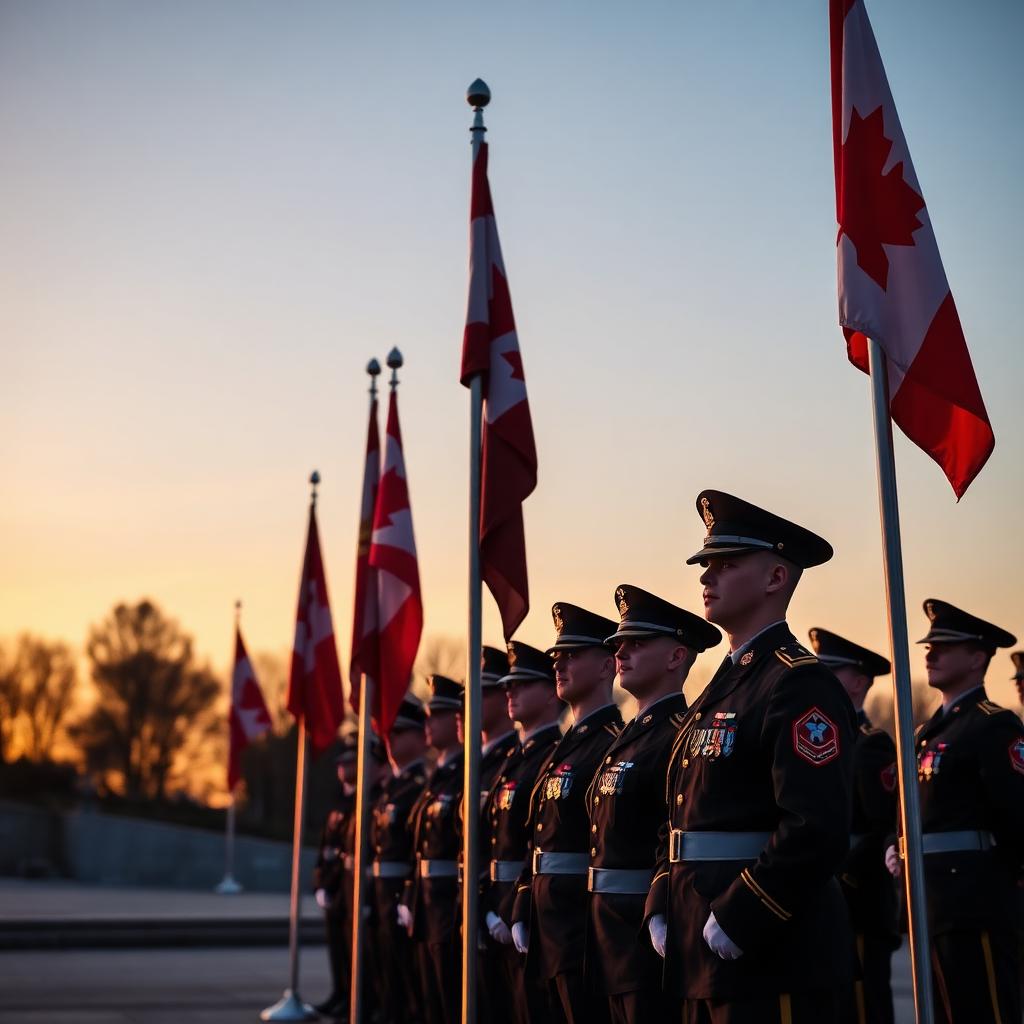
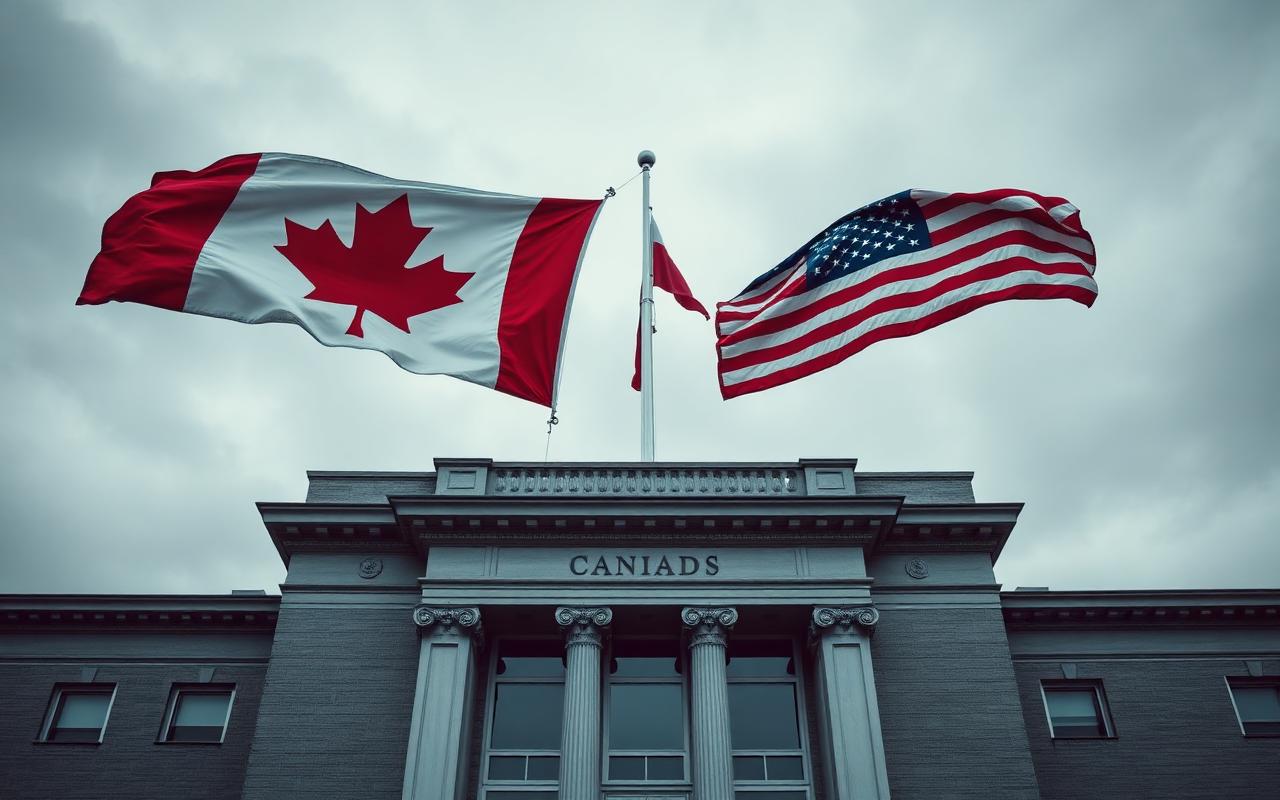
The United States has formally paused the Permanent Joint Board on Defense, the senior advisory body that has coordinated US and Canadian military planning since 1940. Undersecretary of Defense Elbridge Colby said Canada has failed to make credible progress on its defense commitments.
Ottawa rejects that framing. Canada hit the NATO 2 percent of GDP spending target in 2025 with a historic $63.4 billion defense budget and a multi year capital plan covering fighters, frigates, and Arctic capability.
For Canadians, the immediate question is not whether NORAD or the border keeps working. Those run on separate agreements. The real risk is slower procurement decisions, friction over big ticket programs, and a chillier political tone heading into a critical year for continental defense planning.
What the Permanent Joint Board on Defense Actually Does
The Permanent Joint Board on Defense, usually shortened to PJBD, is one of the oldest formal defense relationships any two countries maintain. It was created in August 1940 by Franklin Roosevelt and Mackenzie King at Ogdensburg, New York, when the prospect of a German victory in Europe forced both governments to plan continental defense together.
The board is advisory, not operational. It does not command troops or run missions. What it does is set the table. Senior officials from both sides meet to flag emerging threats, debate big procurement choices, line up positions ahead of NATO summits, and surface friction before it becomes a public dispute. Pausing it does not switch the lights off on the alliance, but it removes the most senior recurring forum for working through hard problems quietly.
Why the Pentagon Is Pulling Back
Colby's statement leaned on the phrase "a gap between rhetoric and reality." The Pentagon's argument has three pieces.
- Pace of capability delivery. Washington wants to see hardware, not just budget headlines. New fighters in squadrons, new frigates in the water, and new Arctic infrastructure standing up on a schedule the US can plan around.
- NORAD modernization. The binational command needs upgraded over the horizon radars, new air defense sensors, and a refreshed northern approaches plan. Some of that work is funded, but Washington wants firmer milestones.
- Industrial base alignment. The US has been pressing allies to plug into a common defense industrial base, especially for munitions, shipbuilding, and uncrewed systems. The Pentagon sees Canadian procurement as too slow to fit that timeline.
None of this is brand new. Successive US administrations have nudged Canada on defense spending for two decades. What is new is the willingness to escalate by suspending a flagship institution rather than negotiating quietly inside it.
Ottawa's Counterargument
The Canadian government's response is straightforward. The numbers have moved.
- Defense spending reached the NATO 2 percent of GDP benchmark in fiscal 2025, the first time Canada has crossed that line in the modern era.
- The $63.4 billion budget funds a long term capital plan that includes the F 35 fleet, the River class destroyer program, new Arctic and offshore patrol ships, and expanded long range precision fires.
- Ottawa has accelerated NORAD modernization commitments worth more than $38 billion over twenty years, with Arctic over the horizon radar and forward operating location upgrades already moving.
The Canadian view is that the pause punishes a partner that has finally delivered on a long standing ask. Officials in Ottawa argue that the gap is not between rhetoric and reality, but between political timelines in Washington and procurement timelines anywhere in the democratic world.
What the Pause Actually Changes
This is the part that gets lost in the headlines. Most of the working defense relationship is not housed inside the PJBD.
- NORAD keeps operating. The binational aerospace command runs on its own treaty framework and continues twenty four hour operations regardless of whether the PJBD is meeting.
- Five Eyes intelligence sharing continues. That relationship sits inside a separate set of agreements with the United Kingdom, Australia, and New Zealand.
- Border security cooperation is unaffected. Customs, immigration, and law enforcement coordination flow through Department of Homeland Security and Public Safety Canada channels.
What the pause does change is the most senior recurring conversation about where the alliance is going next. Without the PJBD meeting, big strategic disagreements lose the quiet forum where they would normally get worked out. That raises the chance of public friction over individual files, from fighter sustainment to Arctic basing to shipbuilding.
The Procurement Files Most Exposed
Three procurement programs sit closest to the friction.
- F 35 sustainment. Canada is buying 88 F 35As. Long term sustainment costs and Canadian industrial offsets are still being negotiated, and a chillier political backdrop makes those talks harder.
- Arctic over the horizon radar. The flagship NORAD modernization project depends on close US Canada coordination on siting, data sharing, and integration with US systems. Any slowdown ripples directly into continental air defense readiness.
- Submarine replacement. Canada is in the early stages of selecting a conventional submarine to replace the Victoria class. Allied interoperability and undersea data sharing make US support central to the eventual choice.
What Happens Next
Expect three things over the coming months.
- A series of high level visits to Washington from Canadian ministers and senior officials trying to reset the tone.
- A push from Ottawa to publish a clearer capability delivery timeline, with named in service dates for the headline procurement programs.
- Continued operational cooperation at NORAD, in the Arctic, and across intelligence channels, even while the PJBD itself stays paused.
Frequently Asked Questions
Does the pause affect NORAD?
No. NORAD operates under its own binational agreement and continues twenty four hour air and aerospace defense operations.
Is Canada being kicked out of NATO?
No. This is a bilateral US Canada matter and does not affect Canada's NATO membership or commitments.
Has Canada hit the NATO 2 percent target?
Yes. Canada reached 2 percent of GDP on defense spending in fiscal 2025 with a $63.4 billion budget.
The Bottom Line
The pause on the Permanent Joint Board on Defense is a political signal, not an operational rupture. NORAD, intelligence sharing, and border cooperation all keep running. What changes is the most senior bilateral forum for working through disagreements quietly, and that loss matters most for the big procurement files and Arctic modernization timelines Canada and the United States need to deliver together over the next five years.