Quick Answer
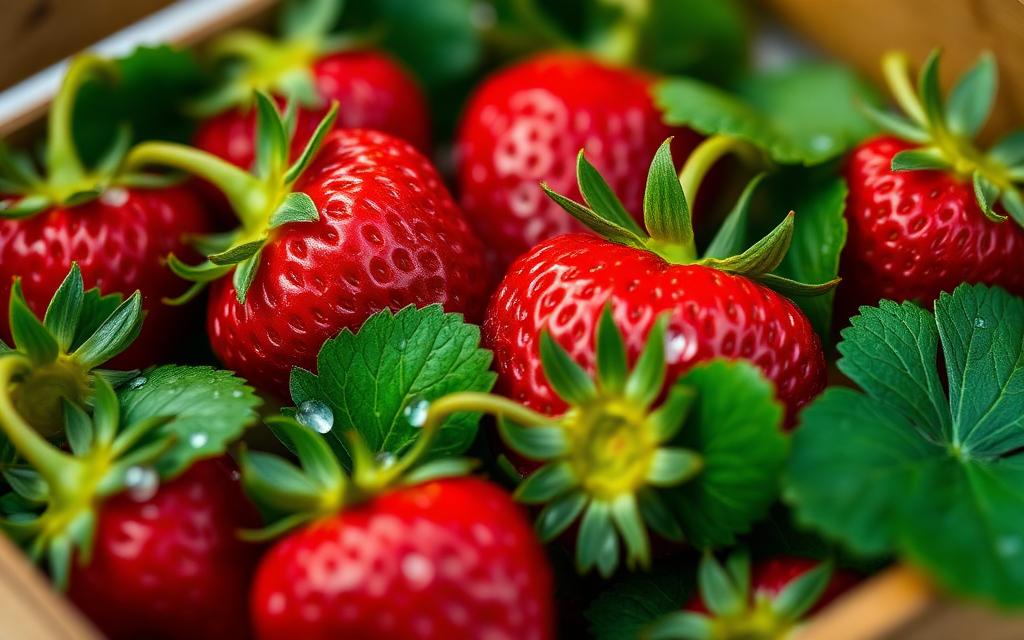
A May 2026 independent investigation by the consumer group Mamavation tested Driscoll's strawberries through the EPA certified Haereticus Environmental Laboratory and found 12 pesticide residues on conventional berries, with roughly eight linked to PFAS or fluorinated compounds.
The report claims the residue levels exceed regulatory limits in the European Union, Taiwan, Chile, Korea, and Russia. Driscoll's says all chemical use complies with United States EPA and FDA standards and that its produce remains safe to eat.
Organic Driscoll's berries were not flagged for the same PFAS issues. Shoppers who want to minimize exposure can switch to the certified organic line or wash conventional berries thoroughly before eating.
What the Mamavation Report Actually Found
In early May 2026, Mamavation purchased two cartons of Driscoll's strawberries from a Southern California grocery store. One was labeled organic, the other conventional. Both were shipped to the Haereticus Environmental Laboratory in Virginia for a panel that screens for over 500 pesticide compounds.
The conventional carton came back with detectable residues for 12 different pesticides. According to the lab summary, roughly eight of those compounds fall into the per and polyfluoroalkyl substances family, commonly called PFAS or forever chemicals. The organic carton came back substantially cleaner on the PFAS panel.
The headline finding that drove the news cycle was not just the count of residues but the comparison to international standards. The report flagged that some of the detected concentrations would have exceeded the maximum residue limits set by the European Union, Taiwan, Chile, Korea, and Russia, even though they fall within the limits set by the United States EPA.
What PFAS Forever Chemicals Are
PFAS are a large family of synthetic chemicals that have been in industrial use since the 1940s. They are extremely stable, which is what makes them useful in nonstick cookware, waterproof clothing, fire fighting foam, food packaging, and an increasing number of agricultural pesticides.
The same stability that makes them industrially valuable is what makes them a health concern. PFAS do not break down meaningfully in the environment or in the human body. Repeated low level exposure accumulates over a lifetime.
The Health Concerns
- Cancer risk. The International Agency for Research on Cancer has classified certain PFAS as Group 1 carcinogens. Elevated PFOA blood levels have been associated with higher risks of kidney and testicular cancer.
- Immune suppression. Higher PFAS exposure has been linked to reduced vaccine response in children and weakened immune function.
- Endocrine disruption. PFAS can interfere with thyroid function and have been associated with developmental and reproductive issues.
None of those outcomes are caused by a single carton of strawberries. The concern is cumulative exposure across the diet, water supply, and packaging.
Driscoll's Response
Driscoll's pushed back hard on the framing of the report. The company emphasized three points.
- All chemical applications used by its independent grower network fall within the legal limits set by the United States EPA and FDA.
- The American regulatory framework, while different from the European one, is grounded in established toxicological science.
- Transitioning away from any specific pesticide class is a multi year process that requires balancing crop yields, pest pressure, and farm economics.
The company also noted that it is the largest supplier of certified organic berries in the world and that its organic line is grown without synthetic pesticides for shoppers who prefer that option.
"The difference between organic and conventional is real and measurable on the PFAS panel. That is the most actionable finding for consumers." Public health researcher commenting on the May 2026 report.
Organic vs Conventional Strawberries in 2026
| Feature | Conventional | Organic |
|---|---|---|
| Synthetic pesticides | Permitted within EPA limits. | Prohibited under USDA Organic rules. |
| PFAS residue risk | Higher, based on May 2026 testing. | Substantially lower, though not zero due to environmental drift. |
| Price | Lower, widely available year round. | Premium, often 40 to 80 percent more expensive. |
| Yield and supply | Higher yields per acre. | Lower yields, more labor intensive. |
How to Reduce Pesticide Exposure on Strawberries
If you want to keep buying conventional strawberries but reduce surface residue, the most evidence backed steps are simple.
- Baking soda soak. A 10 to 15 minute soak in cold water with one teaspoon of baking soda per two cups of water removes a meaningful share of surface pesticide residues.
- Cold water rinse with friction. Even a 30 second running water rinse with light scrubbing helps.
- Hull after washing. Removing the green tops before washing creates an entry point for pesticides into the flesh, so wash first, then hull.
None of this fully removes systemic pesticides that have been absorbed into the fruit during growth. For that, organic is the only durable answer.
The Strawberries for Life Sweepstakes Timing
The pesticide news landed in the middle of one of Driscoll's biggest consumer promotions of the year, the Strawberries for Life sweepstakes. The grand prize is structured as a 10,400 dollar check, calculated to cover weekly strawberry purchases for 40 years. The promotion has driven major brand engagement, though the timing alongside a public PFAS report has not been ideal from a public relations standpoint.
What the Report Means for Shoppers
For most shoppers the practical takeaway is narrow.
- Conventional Driscoll's berries are not being recalled and remain legal to sell under United States rules.
- The May 2026 report adds to a broader pattern of PFAS appearing in modern pesticide formulations, not just Driscoll's specifically.
- If avoiding PFAS exposure matters to you, the certified organic line of any major berry brand, including Driscoll's, is the more conservative choice.
Frequently Asked Questions
Are Driscoll's strawberries safe to eat?
Under the FDA and EPA framework, Driscoll's conventional strawberries meet United States safety standards. Consumers concerned about PFAS exposure can choose the certified organic line.
What did the 2026 Mamavation report find?
12 pesticide residues on conventional Driscoll's strawberries, with roughly eight linked to PFAS or fluorinated compounds. Organic samples came back substantially cleaner.
How do I wash pesticides off strawberries?
Soak in cold water with a teaspoon of baking soda for 10 to 15 minutes, rinse, then hull. This removes much of the surface residue but cannot eliminate systemic pesticides absorbed into the fruit.
Does Driscoll's sell organic strawberries?
Yes. Driscoll's is one of the largest suppliers of certified organic berries in the world. The organic line is grown without synthetic pesticides.
The Bottom Line
The 2026 Driscoll's pesticide story is less about one brand and more about how the United States regulates a new generation of fluorinated pesticides compared to the rest of the world. The lab numbers are real, the international comparison is fair, and the simple consumer response is also real. If you can afford it and you care about PFAS, buy organic. If you cannot, wash thoroughly and eat the fruit.