
Quick Answer
A 12 ounce (355 ml) serving of classic Gatorade Thirst Quencher contains 80 calories, 21 grams of carbs (all from added sugar), 160 mg of sodium, and 45 mg of potassium. The standard 20 oz bottle scales to about 140 calories and 36 g of sugar.
Gatorade Zero swaps sugar for sucralose and acesulfame potassium, drops calories to about 5 per 12 oz, and keeps the electrolyte profile nearly identical.
The sweet spot for using a standard sugar based sports drink is during continuous activity lasting more than 60 minutes in hot or humid conditions. For workouts under an hour, water is sufficient and Gatorade is mostly added sugar.
The full Gatorade lineup compared
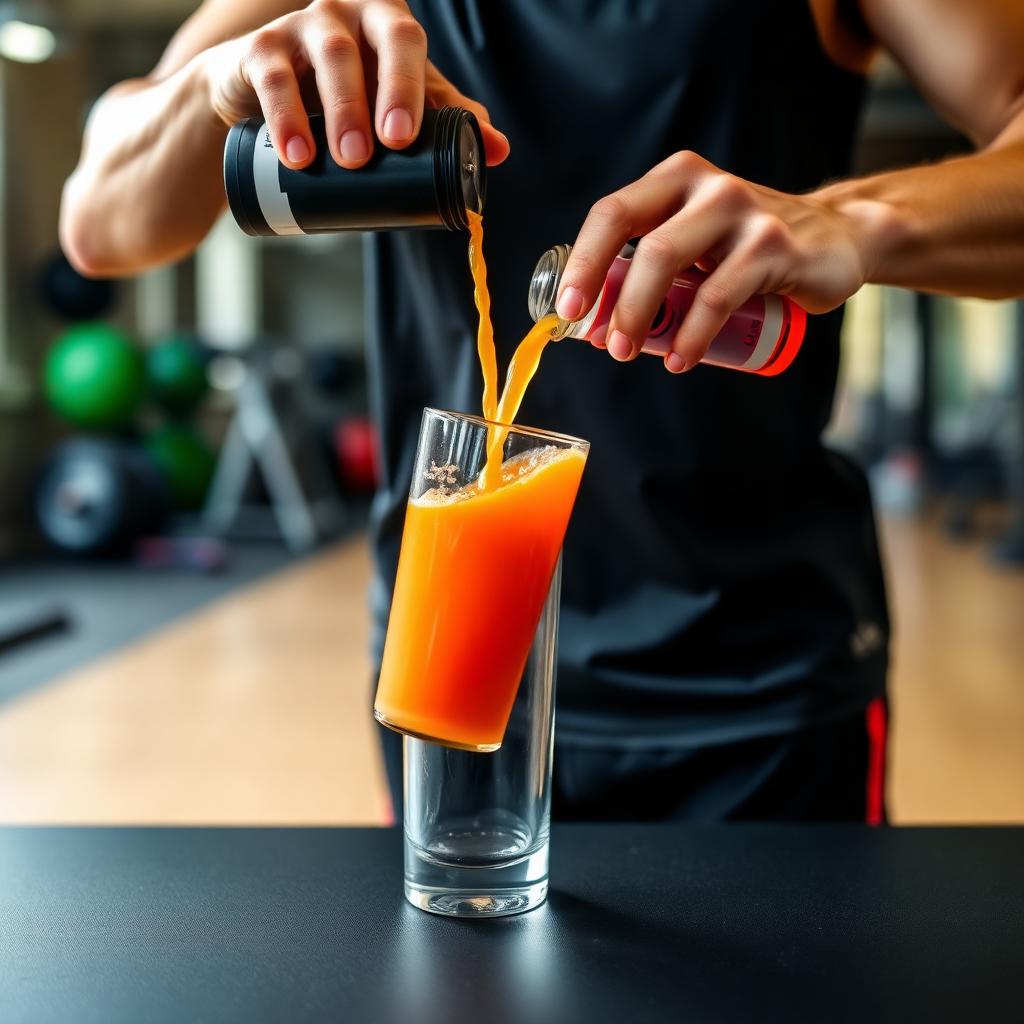
| Product (12 oz) | Calories | Sugar | Sodium | Potassium | Carbs |
|---|---|---|---|---|---|
| Thirst Quencher (Original) | 80 | 21 g | 160 mg | 45 mg | 21 g |
| G Zero (Sugar Free) | 5 | 0 g | 160 mg | 45 mg | 0 g |
| G Zero with Protein | 70 | 1 g | 200 mg | 50 mg | 2 g |
| G2 (Lower Sugar) | 25 | 5 g | 160 mg | 45 mg | 6 g |
| Endurance Formula | 90 | 22 g | 310 mg | 140 mg | 22 g |
| Gatorlyte Rapid Rehydration | 35 | 9 g | 490 mg | 350 mg | 9 g |
| Fast Twitch (12 oz) | 5 | 0 g | 270 mg | 60 mg | 0 g (200 mg caffeine) |
The 6 percent rule
Gatorade Thirst Quencher hits a roughly 6 percent carbohydrate concentration (about 6 g carbs per 100 ml). This is the upper end of what sports science research, including ACSM position papers, identifies as the fastest absorbed range. Higher concentrations slow gastric emptying and can cause GI distress during exercise.
The carb mix is sucrose plus dextrose, which uses two intestinal transporters (SGLT1 for glucose and GLUT5 for fructose) to deliver more fuel per minute than glucose alone could supply.
Why the sodium matters
Sodium serves two functions during long exercise. It maintains the osmotic gradient that drives water absorption in the small intestine, and it replaces what is lost in sweat. The average athlete loses about 500 to 800 mg of sodium per liter of sweat, and high sweaters can exceed 1,500 mg per liter.
The 160 mg per 12 oz in standard Gatorade is calibrated for a typical workout, not an ultra distance event. The Endurance Formula and Gatorlyte versions exist specifically because endurance and tournament athletes need closer to 300 to 500 mg per serving.
Hyponatremia: the reason sports drinks exist
Exercise associated hyponatremia happens when athletes drink large volumes of plain water during prolonged activity, diluting blood sodium below 135 mmol/L. Symptoms range from headache and nausea to seizures. Marathon and Ironman organizers stopped recommending water only stations after a string of fatalities in the early 2000s.
For events lasting more than two hours, sports drinks (or salt capsules paired with water) are a safety tool, not a marketing gimmick.
When you actually need Gatorade
Use a sugar based Gatorade when at least two of these conditions are true:
- Continuous moderate to high intensity exercise lasting 60 minutes or more.
- Ambient temperature above 75 F or humidity above 60 percent.
- Visible sweat loss (clothing soaked, salt crust on skin).
- Back to back sessions where glycogen is not fully restored.
For a 30 minute jog in mild weather, water and a banana later cover everything Gatorade would supply.
Gatorade vs Pedialyte vs coconut water
| Drink (12 oz) | Calories | Sodium | Potassium | Best for |
|---|---|---|---|---|
| Gatorade Thirst Quencher | 80 | 160 mg | 45 mg | Exercise lasting 1 to 3 hours |
| Pedialyte Classic | 35 | 370 mg | 280 mg | Illness, dehydration recovery |
| Coconut water | 70 | 40 mg | 720 mg | Light potassium top up, daily hydration |
| Plain water plus salt plus fruit | varies | customizable | customizable | DIY for any context |
The added sugar concern
The American Heart Association recommends no more than 36 g of added sugar per day for men and 25 g for women. A 20 oz bottle of regular Gatorade (36 g sugar) consumed casually rather than during exercise hits the daily ceiling in one bottle.
If you drink Gatorade for taste rather than performance, G Zero is the smarter choice. The hydration benefit holds and the sugar load disappears.
FAQs
Is Gatorade good for the flu?
It can help replace lost electrolytes during a stomach bug, but Pedialyte is formulated more precisely for medical rehydration. Children should use Pedialyte first.
Does Gatorade Zero have aspartame?
No, the current US formulation uses sucralose and acesulfame potassium.
How much caffeine is in Fast Twitch?
200 mg per 12 oz bottle, comparable to a cup of strong coffee, with the electrolyte profile of standard Gatorade.
Can kids drink Gatorade?
The American Academy of Pediatrics recommends water as the default for kids and reserves sports drinks for sustained intense activity. Daily casual consumption contributes meaningfully to added sugar intake.
The bottom line
Gatorade is a precise sports tool, not a beverage. Used during the workouts it was designed for, the 6 percent carb solution and the 160 mg of sodium per 12 oz deliver real performance benefits. Drunk on the couch, it is essentially a flavored sugar water with electrolytes. Match the product to the situation and the numbers make sense.