Quick Answer
The best recipe apps in 2026 are Paprika 3 (most flexible cross platform recipe manager), Pestle (sleek iOS only with hands free cooking), Whisk / Samsung Food (social meal planning with smart appliance integration), and Mela (minimalist recipe clipper with no clutter).
All four import recipes from websites, generate grocery lists from selected recipes, and scale ingredients automatically. The differences come down to platform support, design preferences, and whether you want community features.
If you only install one, choose Paprika 3 for serious home cooks, or Pestle if you live in the Apple ecosystem.
How recipe apps replaced bookmarks and pinboards
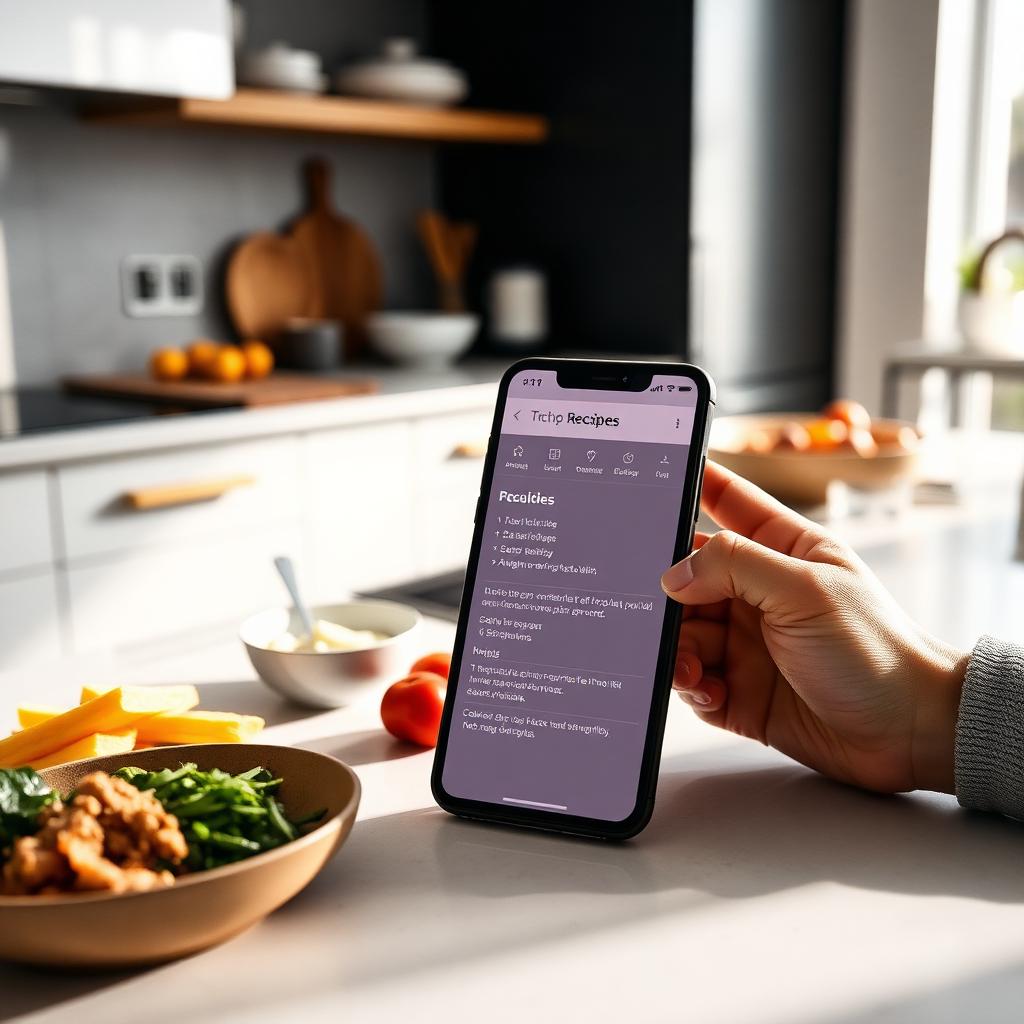
For years, home cooks managed recipes through a chaotic mix of browser bookmarks, screenshots, Pinterest boards, and printed pages stuffed into a binder. Modern recipe apps replaced all of that with a single workflow: clip a recipe from any website, save it to a personal library, plan meals onto a calendar, and auto generate a grocery list grouped by aisle.
The best apps also scale ingredients, convert units, keep your screen awake while you cook, and sync across your phone, tablet, watch, and laptop.
The four leading apps compared
| App | Platform | Strengths | Best for |
|---|---|---|---|
| Paprika 3 | iOS, Android, macOS, Windows, web | Cross platform sync, deep meal planning, robust browser import, offline first | Serious home cooks wanting full control |
| Pestle | iOS, iPadOS, watchOS, macOS | Beautiful design, hands free voice mode, automatic recipe scaling, Apple Watch timers | Apple ecosystem users who want elegance |
| Whisk / Samsung Food | iOS, Android, web | Free, community recipe sharing, nutrition tracking, smart appliance integration, instant grocery delivery | Busy families and fitness focused cooks |
| Mela | iOS, iPadOS, macOS, visionOS | Sleek RSS reader for recipe blogs, clean text only display, browser extensions | Minimalists who hate blog clutter |
Paprika 3 in detail
Paprika is the original recipe manager and still the most full featured option in 2026. It works on every major platform with cloud sync, and the recipe importer reliably strips the clutter from almost any food blog into a clean ingredient list and method.
The meal planner uses a drag and drop calendar. The grocery list groups items by aisle automatically and remembers your local store layout over time. It also handles pantry tracking, so the list excludes anything you already have.
The one downside: it costs about $5 per platform (paid once, no subscription), so syncing across iPhone, iPad, and Mac runs about $15 total. That is still cheap compared to a subscription model.
Pestle in detail
Pestle is iOS exclusive and built around Apple's design language. The hands free cooking mode is the standout feature: while you cook, you can say "next step" or "set a 10 minute timer" without touching the screen. The Apple Watch app shows the current step and timer on your wrist.
Ingredient scaling is smart enough to handle tricky measurements (it knows that doubling 1 1/4 cup is 2 1/2 cup, not the awkward 2 cup plus 1/2 cup other apps produce). The browser extension imports recipes cleanly with a single tap.
Pestle costs about $20 per year, which is the highest of the bunch, but iOS users routinely call it worth every dollar.
Whisk and Samsung Food
Whisk rebranded to Samsung Food after Samsung acquired it, and the app now leans into smart appliance integration. If you own a Samsung oven, microwave, or fridge, the app can send recipes directly to the appliance with the correct cook time and temperature.
The community features are the strongest of any recipe app: you can follow other cooks, save shared meal plans, and discover trending recipes. The grocery list integrates with Instacart and Amazon Fresh for one tap ordering.
Best of all, it is free with no premium tier required for core features. The trade off is that you are part of an advertising ecosystem and your meal data is used to improve recommendations.
Mela in detail
Mela is the recipe app for people who hate the long blog story before the recipe. Its built in RSS reader subscribes to popular food blogs and presents only the recipe content, stripped of ads, pop ups, and personal stories.
The library is searchable by ingredient, source, or tag. Recipes are stored as text rather than screenshots, which means you can copy, paste, and scale them. There is no meal planner or grocery list (those features ship in Mela's sibling apps), but for recipe storage and reading, Mela is unmatched for minimalists.
One time purchase of about $10 across iOS, iPadOS, and macOS.
Features to look for
- Reliable recipe import: Tests against your favourite blogs. Some sites use unusual layouts that break weaker importers.
- Cross platform sync: If you cook from your phone but plan from a laptop, you need both devices to stay in step.
- Ingredient scaling: Doubling or halving with smart fraction handling.
- Hands free cooking mode: Keeps the screen awake and lets you advance steps with your voice.
- Grocery list grouped by aisle: Saves real time at the store.
- Offline access: Critical if you cook in a kitchen with weak Wi Fi.
- OCR for old recipe cards: Useful for digitising family recipes.
Privacy considerations
If your recipe app integrates with grocery delivery or smart appliances, it inevitably collects data about what you cook, when, and how often. Paprika 3 and Mela are the best options for users who want a paid app with minimal data collection. Samsung Food trades the most privacy in exchange for free use and the smartest features.
Common pitfalls
- App lock in. Some apps make export hard. Paprika 3 supports clean JSON export. Choose an app with a real escape hatch.
- Outdated importers. Apps that have not been updated in over a year often break on modern blog layouts.
- Subscription fatigue. A $5 monthly subscription is $60 a year. A one time purchase is often the better deal.
- No offline mode. Web only recipe sites fail the moment your kitchen Wi Fi drops.
Frequently asked questions
Is there a free option that does everything?
Samsung Food is the closest. Mealie (a self hosted open source app) is also fully free if you are comfortable setting up a home server.
Which app is best for an Android user?
Paprika 3 or Samsung Food. Pestle and Mela are iOS only.
Can these apps replace my recipe book collection?
Yes. Most apps include OCR scanners that read printed pages or handwritten cards and convert them into editable text. Paprika 3 and Pestle both do this well.
The takeaway
The best recipe app is the one you will actually open every week. Paprika 3 wins on flexibility and cross platform support. Pestle wins on iOS polish and hands free cooking. Samsung Food wins on community and integrations. Mela wins on minimalism. Try one for free or with a single platform purchase before committing your whole recipe library.