Quick Answer
Heavyweight chocolate bars are oversized stuffed chocolate bars, typically 5 to 8 oz each, with a thick chocolate shell wrapped around a creamy filling and a crunchy layer. The category exploded after the Dubai pistachio and kataifi bar went viral on TikTok in 2023 and 2024, and has since spawned dozens of artisan brands and limited edition flavours through 2026.
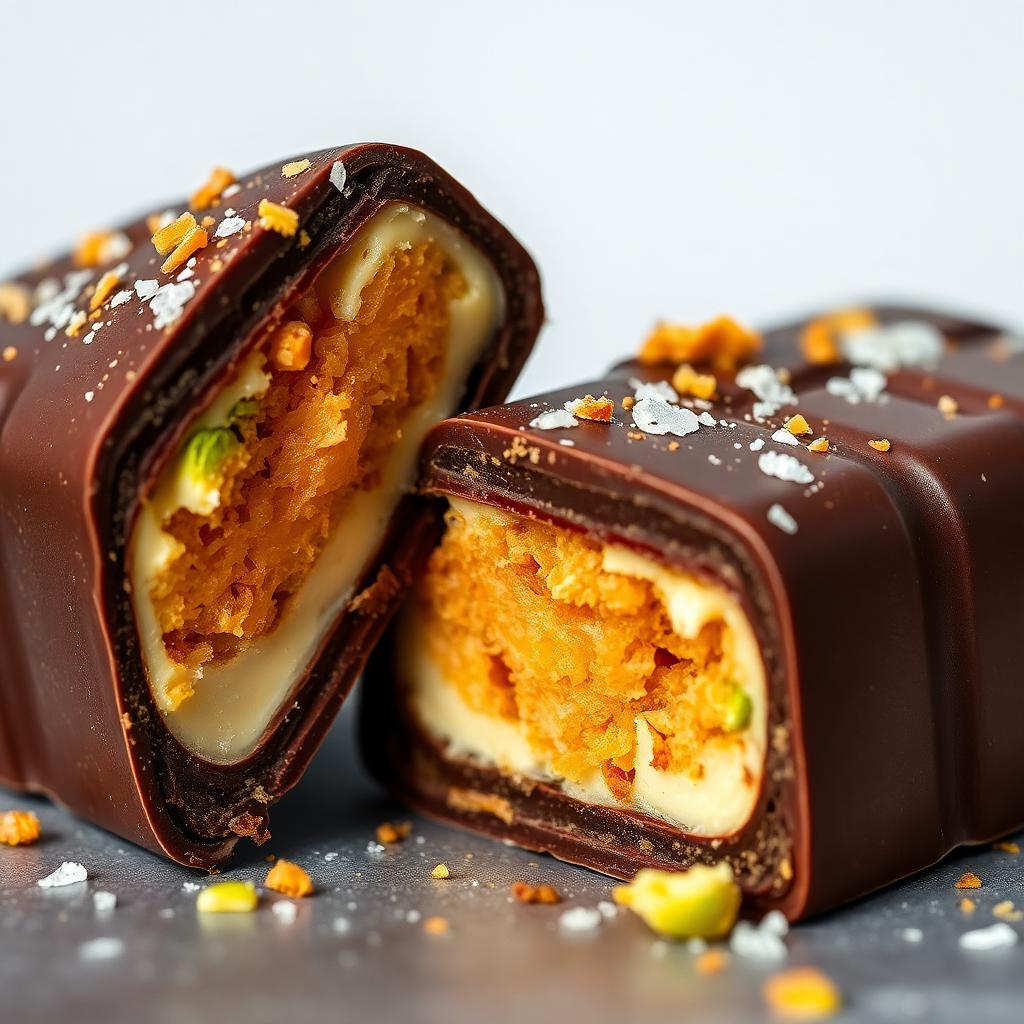
The format is built for the camera. Each bar is heavy enough to feel substantial in the hand, dense enough to snap dramatically, and layered so a clean break reveals contrasting colours and textures inside.
Expect to pay 12 to 30 dollars per bar from independent makers and 4 to 8 dollars from supermarket dupes. The viral original from Fix Dessert Chocolatier in Dubai still sells out within minutes of each restock.
How the trend started
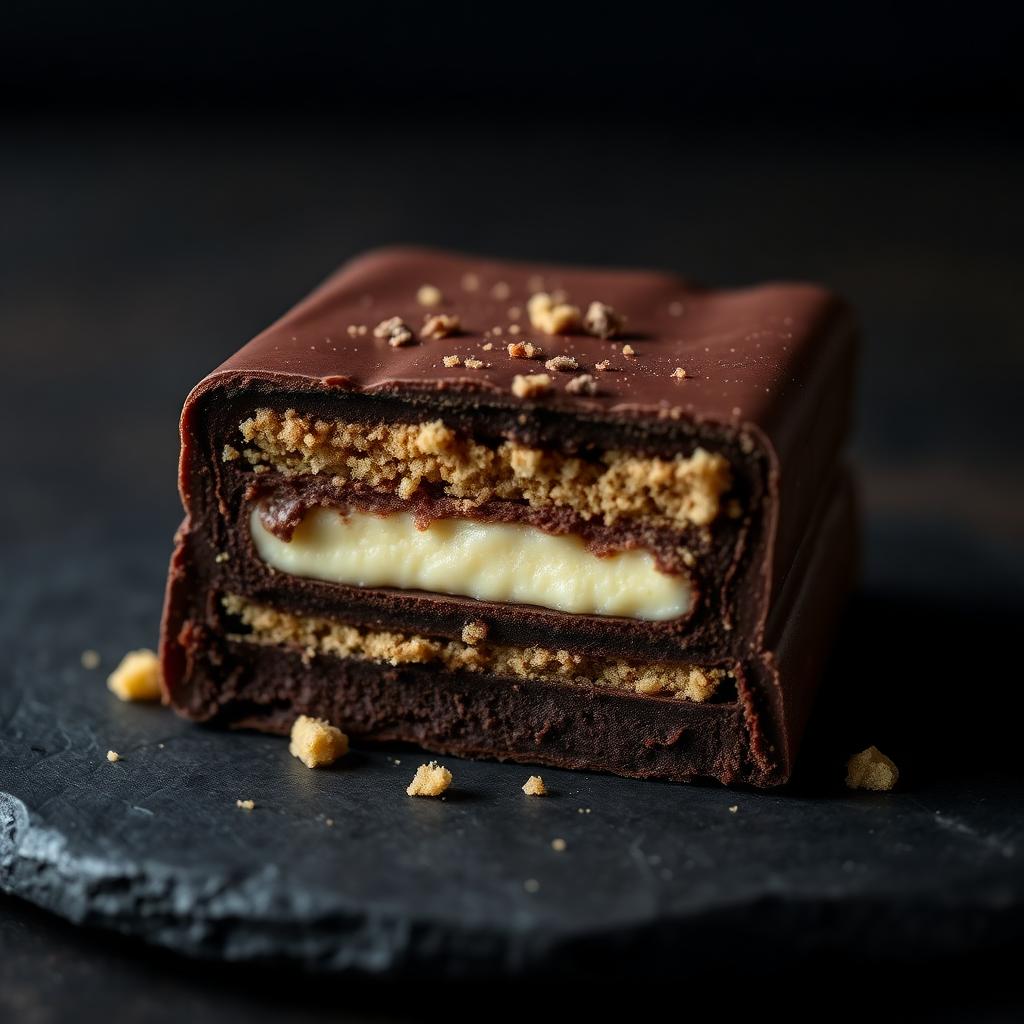
The original Dubai bar, called Can't Get Knafeh of It from Fix Dessert Chocolatier, paired pistachio cream with crispy kataifi pastry inside a thick milk and dark chocolate shell. A TikTok video by Maria Vehera in late 2023 racked up over 60 million views and triggered a global hunt for the bar. Within months, supermarket chains in the UK, US, and Europe started selling their own versions, often selling out before they hit shelves.
By 2026 the format has expanded well beyond pistachio. Stuffed bars now anchor entire artisan brands. The shared formula is a heavy bar, a generous filling, and a flavour combination engineered to look as good in a snap video as it tastes.
The anatomy of a heavyweight bar
- Outer shell. Thick layer of tempered chocolate. Most brands use a 35 to 55 percent dark or a 30 to 40 percent milk. Some splash the surface with coloured cocoa butter for the swirled bakery look.
- Cream layer. The flavour driver. Pistachio paste, nut butter, dulce de leche, vanilla pudding cream, fruit curd, or chocolate ganache.
- Crunch layer. Kataifi pastry threads, crushed biscuits, freeze dried fruit, toasted nuts, or wafer pieces. This is the textural counterweight.
- Finish. Flaky sea salt, gold leaf, painted swirls, or extra crunch sprinkled on top.
Flavours leading 2026
- Pistachio kataifi. The original. Still the dominant flavour by sales.
- Biscoff and white chocolate. Speculoos cream and crushed biscuit inside a white shell.
- Tiramisu. Mascarpone cream, coffee soaked sponge, dark chocolate shell.
- Strawberry shortcake. Freeze dried strawberries, vanilla pudding, white chocolate shell.
- Salted caramel pretzel. Soft caramel core with pretzel crunch and a dark milk shell.
- Knafeh saffron. Saffron infused cream over kataifi inside a dark shell, the premium evolution of the original.
Why the supermarket dupes look different
Mass produced versions from Lidl, Aldi, and Marks and Spencer use a thinner shell, a smaller filling cavity, and machine moulded shapes. They are 4 to 6 dollars per bar and the flavour is decent, but the cracked open look is less dramatic. Independent makers hand pour their bars, which is why the filling to chocolate ratio looks heavier and the snap is more theatrical.
How to tell a quality heavyweight bar from a gimmick
- Weight. A genuine heavyweight bar is 150 g or more. Anything under 100 g is a regular bar in disguise.
- Shell quality. Tempered chocolate snaps cleanly and has a glossy break. Cheap compound coating snaps soft and looks dull.
- Filling texture. Real pistachio paste tastes nutty and slightly bitter. Fake versions taste like green almond essence.
- Ingredient list. Real cocoa butter rather than vegetable oil. Identifiable flavour ingredients rather than artificial flavourings.
Making a heavyweight bar at home
The format is achievable with a silicone bar mould, tempered chocolate, and a filling of your choice. Brush a thick first layer of chocolate into the mould, chill until set, add the cream and crunch fillings, then seal with a final layer of chocolate. Chill until firm and unmould. The hardest step is tempering, which gives the bar its snap and shine. A simple seeding method using high quality chocolate works without specialist equipment.
Storage and shelf life
- Cool room temperature. Up to 4 weeks for most flavours.
- Fridge. Up to 8 weeks. Bring to room temperature for 15 minutes before eating so the cream layer softens.
- Freezer. Not recommended. The chocolate blooms and the filling separates.
Is the trend going to last
The Dubai bar phase peaked in 2024 but the heavyweight format itself has settled into a permanent slot in the speciality chocolate market. Limited edition seasonal flavours, regional collaborations, and rotating drops keep the category fresh. Expect new stuffed bar collections every quarter from the leading artisan brands through 2027.
Frequently asked questions
Why are heavyweight bars so expensive?
Higher quality chocolate, more ingredients per bar, hand pouring, and small batch production. The 12 to 30 dollar price reflects real cost rather than markup alone.
Is the Dubai chocolate bar healthy?
It is dessert. A whole bar can run 800 to 1200 calories with 40 to 60 g of sugar. Treat as an occasional indulgence.
Where can I buy authentic Dubai chocolate?
Fix Dessert Chocolatier ships only within the UAE. Outside the region, look for clearly labelled licensed imports rather than knock offs.
Can I make one without a mould?
Yes. Line a small loaf tin with parchment, pour a thick chocolate base, add fillings, seal with chocolate, and chill. The shape is less polished but the result is the same.