Quick Answer
A 12 oz (355 ml) can of Diet Mountain Dew delivers 0 calories, 0 g of sugar, 0 g of carbohydrate, 55 mg of sodium, and 54 mg of caffeine per the current PepsiCo nutrition disclosure.
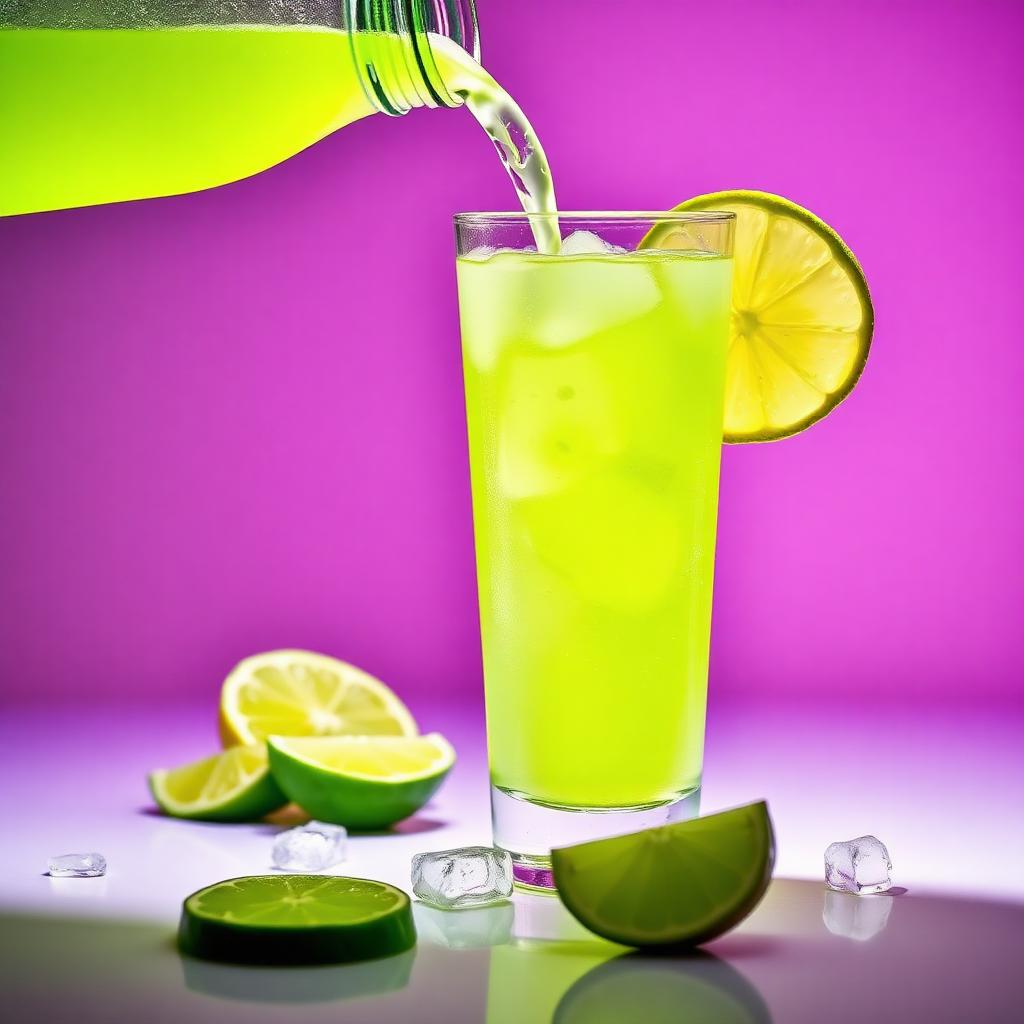
The zero calorie sweetness comes from a triple blend of aspartame, acesulfame potassium, and sucralose, and the signature neon color is from Yellow 5 (tartrazine).
Per ounce, Diet Mountain Dew has roughly 25 percent more caffeine than Diet Coke (4.5 mg vs 3.8 mg per oz).
Full nutrition panel per 12 oz can
| Nutrient | Amount | % Daily Value |
|---|---|---|
| Calories | 0 kcal | 0% |
| Total fat | 0 g | 0% |
| Sodium | 55 mg | 2% |
| Total carbohydrate | 0 g | 0% |
| Total sugars | 0 g | n/a |
| Added sugars | 0 g | 0% |
| Protein | 0 g | 0% |
| Caffeine | 54 mg | n/a |
What is actually in the can
The full PepsiCo ingredient deck reads: carbonated water, citric acid, natural flavor, potassium benzoate (preservative), aspartame, potassium citrate, caffeine, sodium citrate, acesulfame potassium, gum arabic, calcium disodium EDTA (to protect flavor), sucralose, Yellow 5, brominated vegetable oil substitute (typically glycerol ester of rosin in newer formulations).
- Triple sweetener system. Aspartame, Ace-K, and sucralose together saturate the sweet receptors more cleanly than any single sweetener alone, which is why diet versions of citrus sodas often taste closer to original than diet colas do.
- Acid backbone. Citric acid is the dominant acid (not phosphoric like cola), which is what gives Mountain Dew its sharp, lemon-lime forward bite.
- Natural flavor. Contains concentrated orange juice and citrus oils, which is unusual for a diet soda.
- Yellow 5. Provides the signature glow green color. The European version uses different colorants.
Caffeine compared to other sodas
| Drink (12 oz) | Caffeine | Sugar |
|---|---|---|
| Diet Mountain Dew | 54 mg | 0 g |
| Regular Mountain Dew | 54 mg | 46 g |
| Diet Coke | 46 mg | 0 g |
| Coke Zero Sugar | 34 mg | 0 g |
| Diet Pepsi | 34 mg | 0 g |
| Mtn Dew Code Red | 54 mg | 46 g |
| Mtn Dew Kickstart | 92 mg | 20 g |
Does it spike blood sugar or insulin?
For the general population, no. Controlled trials on aspartame, sucralose, and acesulfame potassium consistently show no clinically meaningful change in fasting glucose, postprandial glucose, or fasting insulin when consumed in typical soda quantities. The American Diabetes Association classifies all three sweeteners as acceptable inside a diabetic meal plan.
That said, a small subset of adults experience a mild cephalic phase insulin response to intensely sweet flavors. If you are insulin sensitive and notice cravings after diet soda, switching to flavored sparkling water can help.
Health and safety considerations
- Caffeine ceiling. The FDA caps healthy adults at 400 mg per day, which works out to roughly 7 cans of Diet Mountain Dew. Pregnancy cap is 200 mg, or about 3.5 cans.
- Yellow 5 sensitivity. A small percentage of the population reports hyperactivity, hives, or asthma flare in response to tartrazine. The link is best documented in children with pre-existing ADHD.
- Dental enamel. Citric acid plus phosphates create one of the most enamel erosive pH profiles in the soda category (around pH 3.2). Drink with meals, rinse with water after, and avoid sipping over long periods.
- Bone density. The phosphate load is not a meaningful issue at 1 to 2 cans per day. Daily intake above 4 cans has been associated with lower bone mineral density in observational studies.
Diet Mountain Dew flavor lineup
| Variant (12 oz) | Calories | Caffeine | Notes |
|---|---|---|---|
| Diet Mountain Dew | 0 | 54 mg | Original citrus |
| Diet Mtn Dew Code Red | 0 | 54 mg | Cherry forward |
| Diet Mtn Dew Voltage | 0 | 54 mg | Raspberry citrus, ginseng |
| Diet Mtn Dew Caffeine Free | 0 | 0 mg | Discontinued in most US markets |
FAQs
Is Diet Mountain Dew gluten free?
Yes. No wheat, barley, or rye ingredients are used.
Is it vegan?
Yes. PepsiCo confirms no animal derived ingredients in the formula. Some vegans avoid Yellow 5 because it is sometimes tested on animals.
Does it still contain BVO?
PepsiCo phased brominated vegetable oil out of Mountain Dew between 2020 and 2024. Current formulations use glycerol ester of rosin instead.
How does it compare to an energy drink?
A 12 oz can of Diet Mountain Dew has roughly one third the caffeine of a 16 oz Monster (160 mg) or Red Bull (151 mg per 16 oz can).
The takeaway
Diet Mountain Dew is a zero calorie citrus soda with 54 mg of caffeine and a triple sweetener blend that lands closer to the original than most diet sodas manage. Watch the caffeine if you stack multiple cans, mind the enamel erosion from the low pH, and you have a workable zero sugar swap.