Quick Answer
Bloom Sparkling Energy is a zero sugar, 10 calorie functional energy drink made by Bloom Nutrition. A 12 oz can delivers 180 mg of natural caffeine from green coffee bean extract, plus L-theanine and ginseng for focus, green tea and lychee extract for metabolism, and a small dose of prebiotic fibre for gut support.
It is the cleaner side of the energy drink aisle, designed for people who want a real lift without sugar, dyes, or the jittery crash that comes from synthetic caffeine anhydrous.
The functional formula in plain English
Most legacy energy drinks were built around one trick: load the can with sugar and synthetic caffeine, sell the rush. Bloom took the opposite route, blending natural stimulants with calming amino acids and digestive ingredients so the can does more than spike your heart rate.
- Natural caffeine (180 mg per 12 oz). Pulled from green coffee bean extract. The same caffeine molecule you get from coffee, but extracted before roasting so it carries no bitter or burnt notes.
- L-theanine. An amino acid from tea leaves that softens the sharp edges of caffeine. The pairing is well studied: caffeine plus L-theanine improves focus and reaction time while reducing the typical anxious, racing feeling.
- Ginseng and green tea extract. Mild adaptogens that support sustained energy and alertness over a longer window.
- Prebiotic fibre. A small dose that feeds gut bacteria. This is the link back to Bloom's original product, the Greens and Superfoods powder that built the brand.
- Zero sugar, 10 calories. Sweetened with sucralose and ace-K. No high fructose corn syrup, no artificial colours.
The Energy Mini variant
For people who do not want a full 180 mg hit, Bloom sells a 7.5 oz Energy Mini with 100 mg of caffeine, the same dose as a single espresso shot. It is the better pick for an afternoon lift when a full can would leave you wired at bedtime.
How it compares to other energy drinks
| Drink (12 oz) | Caffeine | Sugar (g) | Calories |
|---|---|---|---|
| Bloom Sparkling Energy | 180 mg | 0 | 10 |
| Celsius | 200 mg | 0 | 10 |
| Red Bull | 114 mg | 39 | 160 |
| Monster Original | 160 mg | 54 | 210 |
| Alani Nu | 200 mg | 0 | 10 |
The flavour lineup
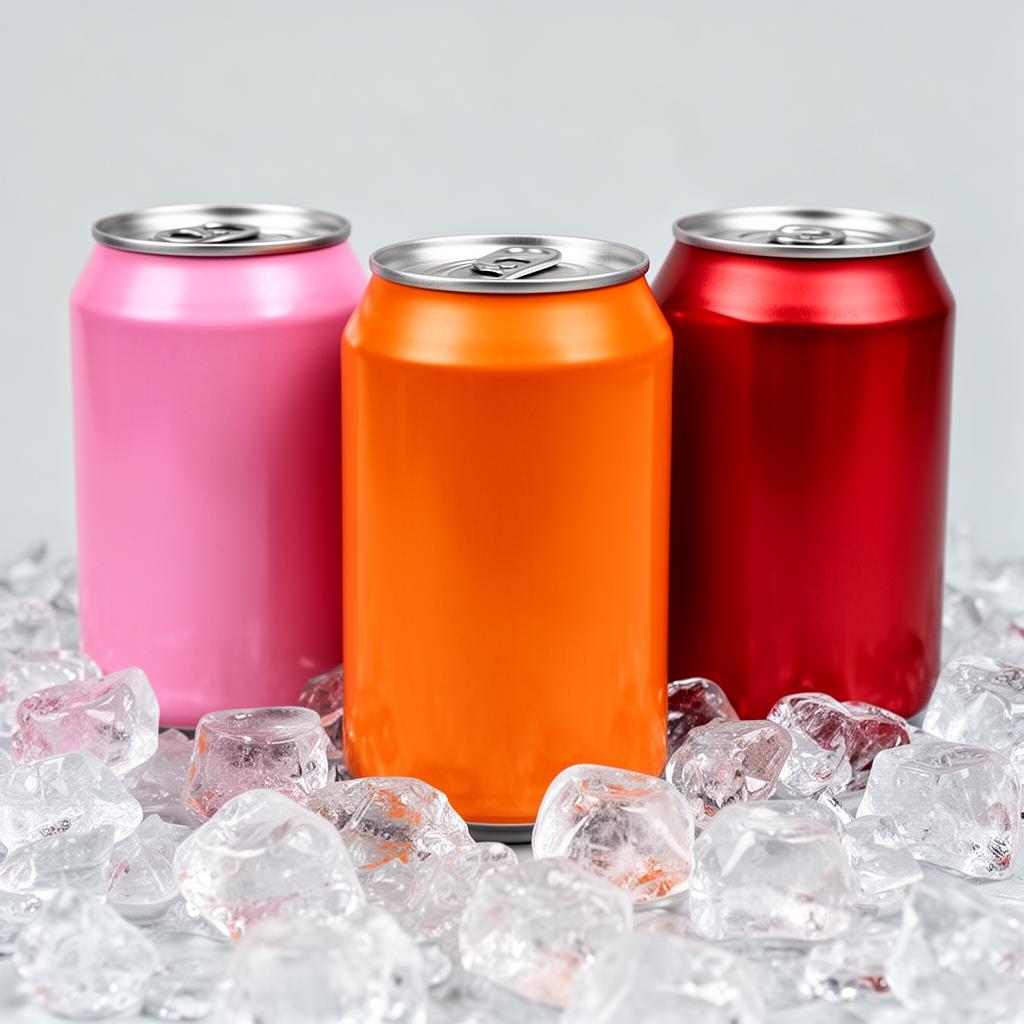
Bloom leans on natural fruit flavouring rather than artificial dye, so the cans skew lighter and the taste reads cleaner.
- Raspberry Lemon. Tart and citrus forward, the closest thing to a hard seltzer profile.
- Strawberry Watermelon. Sweet, summery, drinks like a mocktail.
- Peach Mango. Soft tropical profile, the smoothest of the line.
- Crisp Apple. Sharp green apple bite, autumn leaning.
- Glacier Crush and Summer Splash. Rotating limited edition builds that keep regulars coming back.
Who is it actually for?
The Bloom audience overlaps with the same wellness shopper who already drinks greens powder and tracks protein. The brand is owned by Mari Llewellyn and her husband Greg, and a minority investment from Nutrabolt (the C4 Energy parent) helped Bloom move from supplement aisle to the cooler at Target, Walmart, and Kroger. The Sparkling Energy line sold more than 35 million cans in its first year on shelf.
Is 180 mg of caffeine safe?
The FDA considers up to 400 mg of caffeine per day safe for most healthy adults, so a single Bloom sits well inside that limit. Pregnant people are advised to stay under 200 mg per day, which means half a can is closer to the safe ceiling. Teens, anyone with a heart condition, and people sensitive to stimulants should treat this as a real energy drink, not a sparkling water.
FAQs about Bloom energy drinks
Is Bloom healthier than Celsius?
They are very similar nutritionally: zero sugar, around 10 calories, comparable caffeine. Bloom adds prebiotic fibre and a slightly bigger L-theanine dose; Celsius leans harder into thermogenic claims. Pick on taste, both fit a low calorie energy slot.
Will Bloom break a fast?
Strictly speaking, the sucralose and prebiotic fibre will trigger a small insulin response in some people, so a hard water fast yes. For a more relaxed intermittent fasting protocol where black coffee is fine, a Bloom is generally tolerated.
Does Bloom contain taurine?
No. Unlike Red Bull and Monster, Bloom Sparkling Energy skips taurine. The energy support comes from caffeine, ginseng, and green tea extract instead.
How long does the energy last?
The combination of 180 mg caffeine with L-theanine typically gives a 4 to 5 hour lift with a softer landing than a sugar based energy drink. Most people do not feel a sharp crash.
The takeaway
Bloom Sparkling Energy is a cleaner formulation play in a category that needed one. Real caffeine from green coffee, L-theanine to take the edge off, prebiotic fibre for the wellness story, and flavours that taste like sparkling juice instead of a chemistry experiment. If you want the lift without the sugar, it earns its spot in the cooler.
Bloom vs the original Bloom Greens powder
It is worth knowing that the Sparkling Energy line is a side product from a much bigger flagship: the Bloom Greens and Superfoods powder. The powder built the brand on TikTok between 2020 and 2023 and remains the company's hero SKU. The sparkling energy can borrows the wellness halo (prebiotic fibre, no artificial colours) and pairs it with a real caffeine kick, which is what unlocked grocery retail. If you already drink the greens powder in the morning, treat the energy can as the afternoon counterpart rather than a substitute.
The best way to drink one
Out of the fridge, ice cold, in the first hour after waking up if you skipped coffee, or as a 2pm replacement for an espresso. Avoid drinking one after 4pm; 180 mg of caffeine has a long half life and will cost you sleep quality if you are sensitive. Pair with a small protein snack (a Greek yoghurt, a hard boiled egg) rather than drinking on an empty stomach; the L-theanine softens the edge but the caffeine still hits harder when nothing else is in your system.
Where to buy it
Bloom Sparkling Energy is now stocked at Target, Walmart, Kroger, Publix, Sprouts, and most major grocery chains. A 12 pack runs roughly 22 to 28 dollars depending on retailer, which works out to about 2 dollars per can: cheaper than a coffee shop drink, slightly more than a Celsius from the same cooler.