Quick Answer
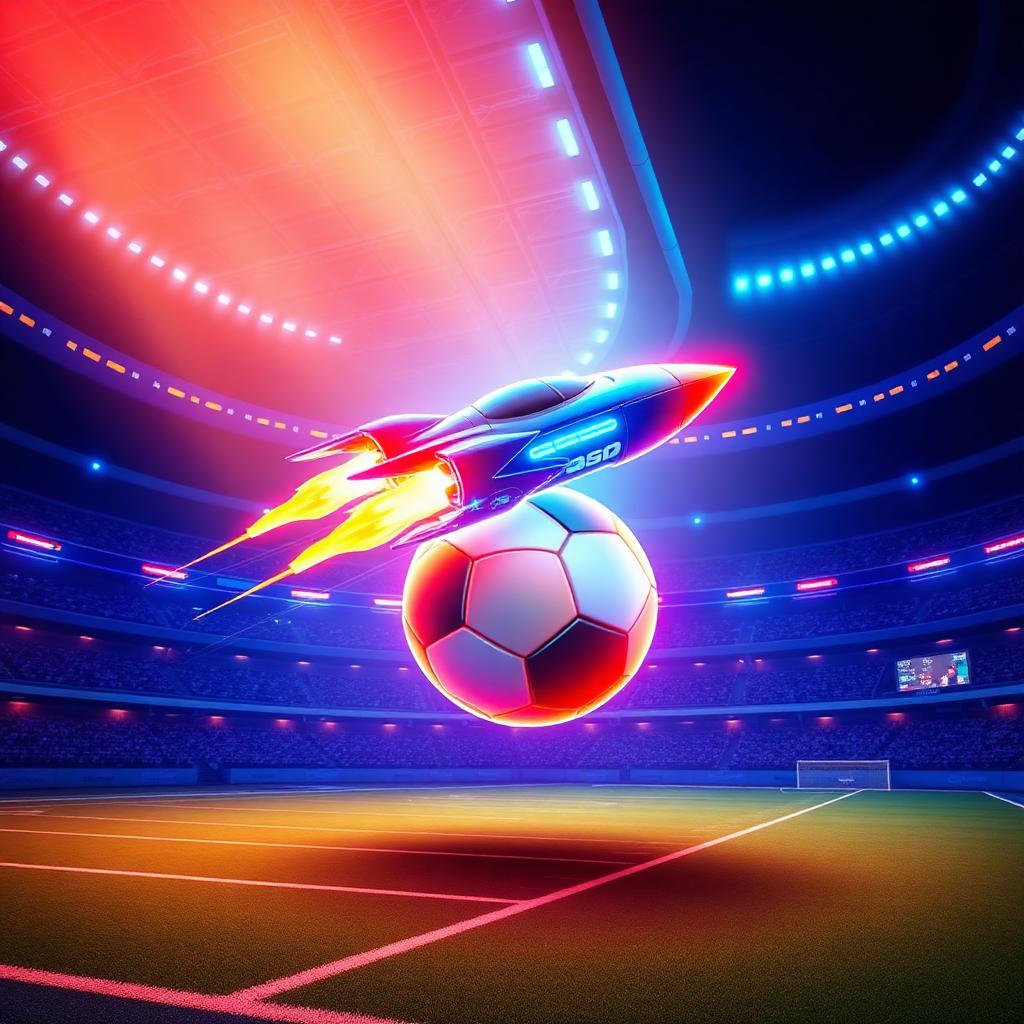
Yes. Rocket League is moving directly from Unreal Engine 3 to Unreal Engine 6, skipping Unreal Engine 5 entirely. Epic Games and Psyonix announced the migration at the RLCS Paris Major and showed live, in-game footage running on UE6.
The transition is being treated as a full client replacement rather than a separate sequel. Player progression, inventories, cars and cosmetics carry over. Psyonix has committed to preserving the underlying physics so that car handling, hitboxes and ball behavior stay mechanically identical for the competitive scene.
There is no public release date yet beyond a late 2026 target window.
From UE3 to UE6, with Nothing in Between
Rocket League shipped in July 2015 on Unreal Engine 3, an architecture that was already a generation behind at launch. The choice made sense at the time: UE3 was stable, well understood, and the team prioritized predictable physics over visual fidelity. That decision is the single biggest reason the game's mechanics have stayed coherent across more than a decade of patches.
It also left Rocket League visually frozen. Stadium crowds were largely static, lighting was baked, and the car paint system was a long way from anything modern engines could do. Once Epic Games acquired Psyonix in 2019, the question was never whether the engine would change, only when.
The bet most of the community made was on Unreal Engine 5. That is not what happened. Epic chose to use Rocket League as the global launch title for Unreal Engine 6, the first major showcase of an engine that has so far only been talked about in roadmap form.
What Is Actually Changing
The Paris reveal centered on three visual and structural upgrades.
Volumetric Stadium Environments
Crowds are now made of individually animated 3D models that react to in-game events. Stadium lighting is fully dynamic and casts ray-traced shadows across the pitch. The arenas feel like venues instead of skyboxes.
Turf and Surface Physics
Blades of grass on the pitch have individual physical properties. Power slides leave persistent tire tracks. Boost ignition produces scorch marks. None of this changes the ball's behavior, but it changes how every replay looks.
Advanced Paint and Material Rendering
UE6 introduces a much more capable material system. Pearlescent, chrome and anodized finishes now sample the real lighting environment of each arena. For a game where cosmetics are a meaningful share of player attachment, this is more important than it sounds.
Is This Rocket League 2?
Functionally, this is the closest the game has ever come to a sequel without being called one. Psyonix is treating the UE6 build as a replacement for the live client, not a parallel product. Players will not lose their inventories, their rocket pass progression or their cross-platform progression.
That mirrors how Fortnite has handled its chapter transitions: a brand-new engine pass, a major visual overhaul, and a fresh mechanical layer wrapped around the same persistent account. Calling that "Rocket League 2" or "Rocket League: UE6" or "the big update" is mostly a marketing question. Under the hood it is the same game database, the same competitive ranking system, and the same store.
How the Pro Scene Reacted
For a physics-based esport, an engine swap is the most dangerous patch a studio can ship. A few milliseconds of added input latency, a subtle change in aerial turning radius, or a different ball-bounce calculation can completely upend the meta.
The early read from the pro community in Paris was cautious optimism. Top creators and players, including Musty, JamaicanCoconut and ApparentlyJack, all landed on the same line: as long as the game feels the same, the upgrade is welcome. Psyonix has been clear that the rendering pipeline, server tick rate and asset architecture are all new, but the core mathematical model for car handling and ball physics has been mapped over identically.
The proof, of course, will only come once pros get hands-on time in a closed beta. Expect the first competitive previews to surface in the months before launch.
What UE6 Means Beyond Rocket League
Picking Rocket League as the launch title for UE6 is a deliberate signal from Epic. Unreal Engine 6 is being positioned as a foundation for high-fidelity, low-latency, multi-game ecosystems, and a competitive esport is the hardest possible stress test for that pitch.
If UE6 can ship Rocket League without breaking the input-feel that the community depends on, it makes a much stronger case to other studios that the engine is production ready for fast, networked games. Expect to see the UE6 logo attached to more announcements over the next two years, and expect Rocket League to remain the reference implementation for what the engine can do under pressure.
What to Watch For Before Launch
- A closed pro beta. The first credible read on whether the physics actually feel identical will come from sanctioned testing with RLCS players.
- A platform availability list. Rocket League is on PC, PlayStation, Xbox and Switch. UE6's hardware requirements will determine how the transition handles older consoles.
- The cosmetic migration plan. Every owned item should carry over, but expect at least some cosmetics to be visually upgraded for the new material system.
- Ranked reset policy. A new engine is a natural place to reset ranked seasons. Psyonix has not committed either way yet.
The Bottom Line
Rocket League is jumping straight from Unreal Engine 3 to Unreal Engine 6. The visuals are getting a generational overhaul, the inventories and progression are carrying over, and the physics that the entire competitive scene depends on are being preserved on purpose. There is no firm release date yet, but the late 2026 target window puts the new client within reach of the next RLCS cycle. For a game that has spent more than a decade running on an engine older than most of its players, that is a structural reset worth paying attention to.