Quick Answer
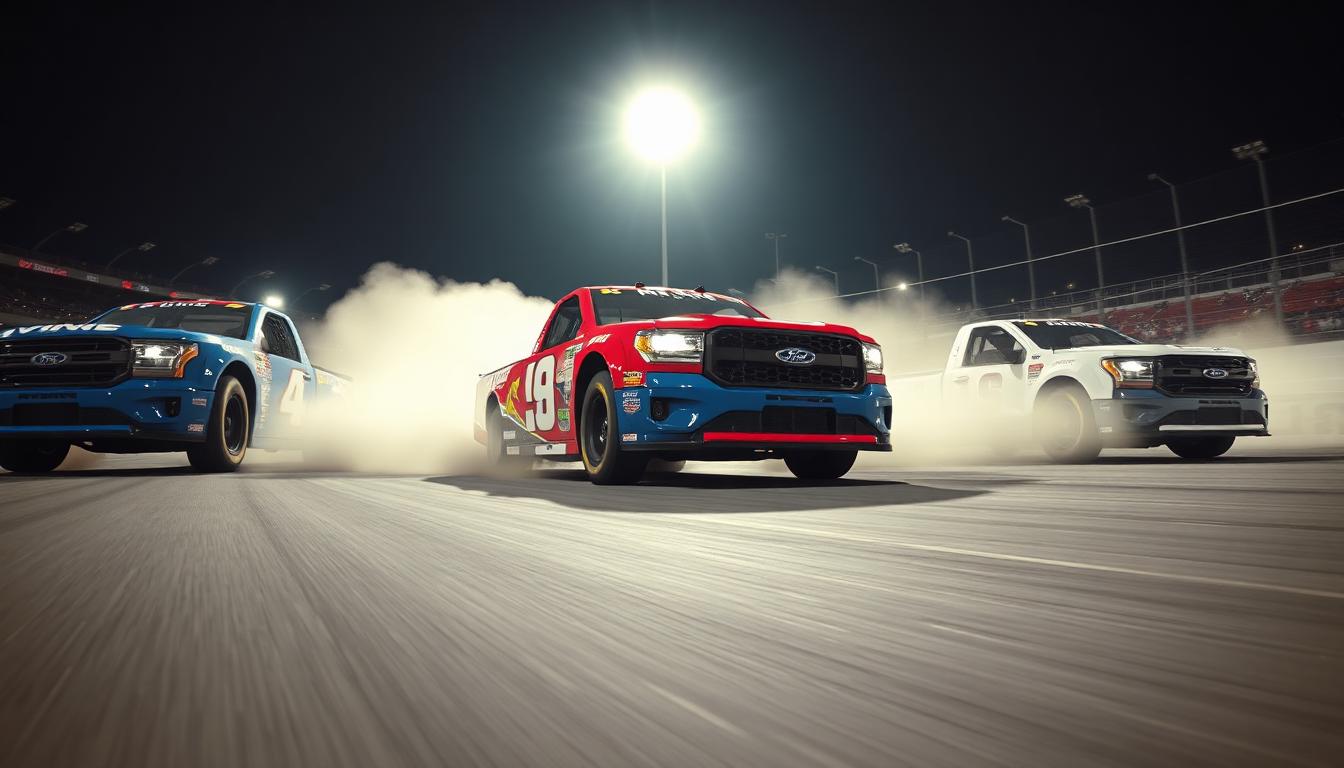
The NASCAR Craftsman Truck Series in 2026 is in the middle of its biggest structural shift in twenty years. Spire Motorsports has aggressively expanded into a multi-truck powerhouse, the manufacturer alignments (Chevrolet, Toyota, Ford) have hardened into real technical alliances with shared engineering and simulator time, and Cup Series teams are using the trucks grid as both a development pipeline and a strategic data lab. The result is a series that is faster, deeper, and harder to win in than it has been since the early 2000s.
From Stepping Stone to Strategic Asset
For most of its history, the truck series was treated as a developmental rung on the NASCAR ladder. Drivers used it to learn ovals, road courses, and superspeedway drafting before stepping up to Xfinity and then Cup. That framing is no longer accurate.
Today the trucks grid is a parallel professional series with its own veterans, its own sponsorship economy, and its own strategic value to Cup-level organizations. Teams use it to test setups, train pit crews, develop crew chiefs, validate aero packages, and keep manufacturer relationships warm. The competition at the front of the field is as tight as anything in modern stock car racing.
The Rise of Spire Motorsports
Spire Motorsports has been the most aggressive expansion story in the garage. What started as a modest operation has, over the past 24 months, become a multi-series powerhouse via shop acquisitions, equipment inheritance, and technical alliances with the dominant Chevrolet Cup teams.
The Spire truck program in 2026 benefits from three things at once: top-tier chassis inventory, real Hendrick and RCR data flowing through the Chevrolet pipeline, and a willingness to spend on driver talent that earlier ownership groups would not have entertained. The result is a multi-truck stable that can credibly contest wins at every track type on the schedule.
| Team | Manufacturer | Strategic Role |
|---|---|---|
| Spire Motorsports | Chevrolet | Primary Bowtie development pipeline, multi-series scaling |
| TRICON Garage | Toyota | Toyota Racing Development talent scout, manufacturer flagship |
| ThorSport Racing | Ford | Veteran-led Ford program with deep crew experience |
| Niece Motorsports | Chevrolet | Independent challenger, frequent upset winner |
| Front Row Motorsports | Ford | Cup organization extending into trucks for development |
Why Manufacturer Alliances Matter More Than Ever
NASCAR's tight spec rules have squeezed obvious horsepower advantages out of the trucks. What is left is a fight over data, simulation hours, aero correlation, and tire management. That fight is won at the manufacturer level.
Chevrolet, Toyota, and Ford each operate a centralized engineering hub that distributes wind tunnel data, driver-in-the-loop simulator time, and engine map updates to their aligned trucks teams. A driver in a Spire Chevy benefits from Hendrick Cup Series telemetry. A TRICON Toyota driver gets time on the Toyota Racing Development sims in Concord. A ThorSport Ford pulls on the same Roush Yates engineering bench Cup teams use.
That centralization is why the front of the field in 2026 looks brand-aligned. A truck that is not plugged into a manufacturer pipeline is at a structural disadvantage before the green flag drops.
The Driver Mix: Young, Old, and Specialized
The trucks grid has the most interesting driver demographic in NASCAR. On any given weekend you have:
- Teenagers in their first national series rides, often funded by manufacturer development programs.
- Cup Series veterans dropping down for a specific race to gather data or chase a win they missed earlier in their careers.
- Career truck specialists who have spent a decade learning these specific vehicles and beat newcomers on craft alone.
- Road course ringers brought in for the COTA, Mid-Ohio, and Sonoma rounds.
The mix creates a brutal competitive environment. Practice sessions are short. Qualifying is decided by thousandths of a second. A bad restart in lap 80 of a 200-lap race can drop a contender from a winning position to outside the top 15 in the time it takes to think about it.
The Simulation Arms Race
The biggest behind-the-scenes shift in 2026 is how much of the work happens before the haulers even leave the shop. Motion-base driver simulators, once a luxury reserved for Cup teams, are now standard at every front-running truck organization.
Teams use the sims to evaluate chassis geometry changes, tire wear models, and track-specific setup decisions in the days before a race. Drivers get repeated virtual laps at the upcoming track, with realistic feedback on grip transition zones, braking points, and pit road timing. The teams that translate sim data to real-world grip the best are the ones winning.
What This Means for the Championship Race
The structural changes flatten the field in some ways and widen the gap in others. Mid-pack teams with manufacturer alignment can now occasionally beat the historical powerhouses, because the data they receive is good enough to close the engineering gap. But teams without that alignment are getting lapped sooner and finishing further back than they used to.
For 2026, expect the championship to come down to two or three Spire trucks, a TRICON Toyota, and a ThorSport Ford. Independent operations will pick up wins on the chaos races (superspeedways, dirt, late-race wet-weather restarts), but the season-long consistency required to win the title increasingly belongs to the well-aligned teams.
The Bottom Line
The NASCAR Craftsman Truck Series in 2026 has evolved into a serious, strategically vital professional racing series. Spire Motorsports is leading the modern expansion model, manufacturer alliances are the real moat, and simulation work has become the deciding factor at the front of the field. If you have not paid attention to the trucks in a few years, this is the year to come back. The racing is closer, the stakes are higher, and the talent pool is the deepest it has been in two decades.