Quick Answer
To use a credit card abroad without fees, you must first ensure your card has a zero percent foreign transaction fee policy. Many travel rewards cards and premium bank cards waive the standard three percent surcharge that basic cards usually apply to international purchases.
Always choose to pay in the local currency when a merchant or ATM offers a choice. This avoids dynamic currency conversion, which is a hidden fee where the merchant sets a poor exchange rate. I also recommend carrying a backup card from a different payment network like Mastercard if your primary is Visa.
Choosing the Right Card for International Travel
The most important step is checking your card terms before you leave the United States. Many popular cards from issuers like Capital One, Discover, and Chase specifically market themselves as having no foreign transaction fees. If you use a basic cashback card from a local credit union, you might be hit with a three percent fee on every single coffee or souvenir you buy.
I find that premium travel cards are the most reliable for this. These cards are designed for global use and usually offer better fraud protection for international travelers. Even if the card has an annual fee, the savings from avoided transaction fees can pay for that fee in just one or two week long trips abroad.
Don't forget to look at the payment network. Visa and Mastercard are accepted almost everywhere globally. American Express and Discover have improved their international footprint, but I still encounter many small shops in Europe and Asia that only take the big two. I always pack at least one Visa and one Mastercard just in case one network has a localized outage or is not supported.
The Trap of Dynamic Currency Conversion
When you go to pay for dinner or check out of a hotel, the credit card terminal might recognize your card is from the US. It may ask if you want to pay in US Dollars or the local currency. This is known as Dynamic Currency Conversion, and it is a total scam. It sounds convenient to see the price in dollars, but the merchant is the one setting the exchange rate.
I always choose the local currency, whether it is Euros, Yen, or Pounds. When you choose the local currency, your bank handles the conversion. Major banks use the interbank rate, which is the fairest rate available. If you choose dollars, the local merchant often tacks on a five to ten percent markup on the exchange rate.
This same rule applies to ATMs. If an ATM asks if you want to be "guaranteed" a certain conversion rate in dollars, hit decline. You want the transaction to proceed in the local currency so your home bank can do the math for you. This simple choice saves me hundreds of dollars over the course of a long trip.
Setting Up Travel Notifications
In the past, you had to call your bank before every trip to tell them where you were going. If you did not, they would freeze your card the moment you tried to buy a croissant in Paris. Today, many large banks use GPS data from your phone or advanced algorithms to track your location, making manual notifications less common.
However, I still check my bank's mobile app a few days before I fly. Look for a section labeled "Travel Notices" or "Manage Travel." If the option exists, I input my dates and my destination countries. It only takes a minute and prevents the huge headache of being stuck at a train station with a declined card and no way to call the bank's fraud department.
I also make sure my contact information is current. Most banks will send a text or a push notification if they see a suspicious charge. If your phone has an international data plan, you can simply tap "Yes, I made this purchase" to unblock the card instantly. This is much better than waiting on hold for an hour on an international call.
Handling ATM Withdrawals and Cash
Even if your credit card has no fees, you will eventually find a market or a taxi that only takes cash. When this happens, use a debit card rather than a credit card. Using a credit card at an ATM is considered a cash advance. This usually triggers a high immediate interest rate and a flat fee of ten dollars or more.
To avoid ATM fees, I use a checking account that offers worldwide ATM fee reimbursements. Some banks will pay you back at the end of the month for any fees charged by foreign machines. This allows me to pull out small amounts of cash as needed rather than carrying a massive envelope of bills for the whole trip.
- Always use ATMs attached to a major bank building rather than standalone machines in convenience stores.
- Check if your home bank has "Global ATM Alliance" partners to waive withdrawal fees.
- Avoid airport currency exchange booths, as they offer the worst rates in the world.
- Keep your debit card and its PIN stored separately from your main wallet as a backup.
Contactless Payments and Mobile Wallets
Europe, Asia, and Australia are often far ahead of the US when it comes to payment technology. In many cities, you can pay for the subway or a bus just by tapping your phone or your card on a reader. I make it a priority to load my no-fee cards into Apple Pay or Google Pay before I leave home.
Using a mobile wallet adds a layer of security. The merchant never actually sees your real credit card number because the phone uses a digital token. This reduces the risk of your card being "skimmed" or copied by a dishonest clerk. It also means I do not have to fumble with my physical wallet in crowded tourist areas where pickpockets might be watching.
If you have an older card that does not have the "tap to pay" symbol, ask your bank for a replacement before you travel. Some unmanned kiosks for transit or parking in other countries will only accept cards with a chip or contactless capability. I have been stuck at many European gas stations that would not accept a card that required a swipe.
The Importance of the PIN
In the United States, we are used to "Chip and Signature" cards. Most of the rest of the world uses "Chip and PIN." While most automated terminals abroad are now programmed to recognize US cards and bypass the PIN requirement, you might still run into issues at remote gas pumps or ticket machines.
I always make sure I know the four digit PIN for my credit cards before I depart. You can usually set this up in your online banking portal or by calling the number on the back of the card. Even if you rarely use it, having it memorized is a lifesaver when an automated machine insists on a code before it will release your train ticket.
Be aware that some European terminals might ask for a six digit PIN. If your PIN is only four digits, just enter the four digits and hit the enter button. In my experience, this works ninety-nine percent of the time. If it fails, you will likely need to find a human attendant to process the transaction with a signature.
Security and Managing Multiple Cards
I never travel with just one card. If a card is lost, stolen, or eaten by an ATM, you need a backup. I keep my primary travel card in my wallet and my secondary card in a hidden pocket in my backpack or in the hotel safe. This way, if my wallet is stolen, I am not totally stranded without funds.
I also keep a physical or digital list of the international customer service numbers for all my cards. Remember that the "1-800" numbers on the back of the card often do not work from outside the US. Look for the "collect call" number which is usually a local area code in the US. You can call these numbers for free or very cheap using an internet calling app.
Monitoring your account daily through the bank's mobile app is the best way to catch fraud early. I set up my apps to send me a push notification for every single transaction. If I see a charge I did not make while I am sitting in my hotel room, I can freeze the card instantly with one tap in the app. This level of control is essential for peace of mind.
Frequently Asked Questions
Is it better to exchange cash at the airport or use a credit card?
You should always use a credit card whenever possible because the exchange rate provided by the card network is far superior to those offered at airport booths. Most exchange booths hide their high fees by giving you a very poor rate that is nowhere near the actual market value of the currency.
How do I know if my card has a foreign transaction fee?
You can check your card's "Terms and Conditions" or the "Summary of Account Terms" online. Look for the row labeled Foreign Transactions. If it says "None," you are good to go; if it says "three percent of each transaction," you should probably look for a different card for your trip.
Can I use my debit card for all my purchases abroad?
You can, but it is riskier than using a credit card. If your debit card is compromised, the money is taken directly out of your bank account immediately. With a credit card, you can dispute the charge before any money actually leaves your hands, and credit cards typically offer better consumer protections.
Why did the waiter take my card away for five minutes?
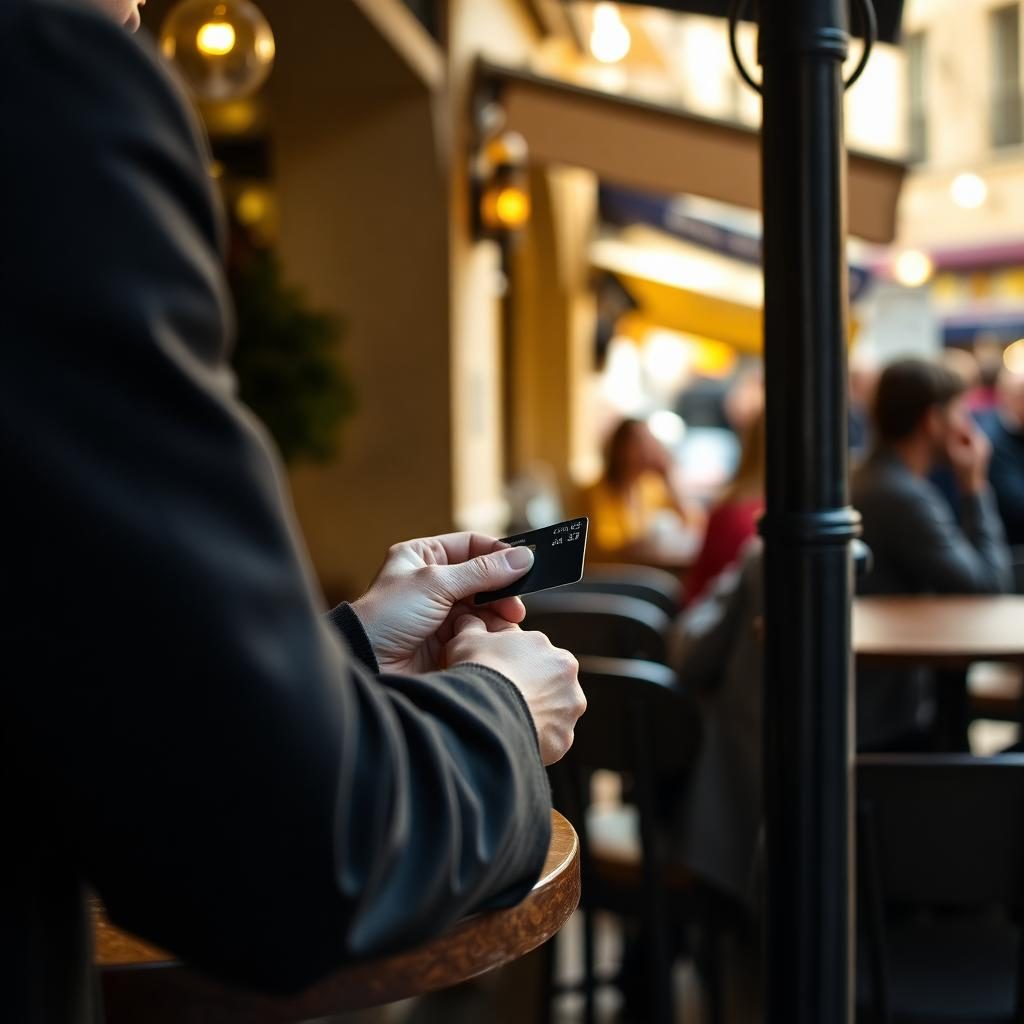
In many countries, the waiter will bring a portable card reader to your table. If they try to walk away with your card, it is best to politely ask to go with them to the terminal. In the US it is common for cards to disappear into the kitchen, but internationally this is often seen as a security risk for skimming.
What is the best way to pay for small items like coffee?
In major international cities, almost everyone takes contactless payments for even the smallest purchases. I use my phone or a tap-to-pay card for a single espresso in most European cafes. However, in smaller towns or in countries like Germany or Japan, cash is still king for small amounts, so it is wise to keep some coins on hand.
Final Thoughts on International Card Use
Using a credit card abroad is actually quite simple if you prepare ahead of time. By selecting a card with no foreign transaction fees and always opting to pay in the local currency, you ensure that your money goes toward your experiences rather than bank fees. I have saved hundreds of dollars over the years just by following these basic rules.
Always remember that technology can fail. Even if you have the best credit card and a perfect mobile wallet setup, sometimes the power goes out or a card reader breaks. Carrying around fifty dollars worth of local cash as an emergency fund is a smart habit that has saved me from more than one awkward situation at a remote cafe or bus stop.
Be proactive about your security and your choices. Check your statements regularly, use your bank's app features, and never let a merchant convince you to pay in dollars. With these steps, you can travel the world with confidence and keep your hard earned money where it belongs: in your pocket for the next adventure.