Quick Answer
To travel cheap in Europe, I recommend focusing on three core areas: timing your trip for the shoulder season, utilizing budget airlines like Ryanair or EasyJet, and prioritizing Eastern or Central European destinations. Staying in hostel dormitories and purchasing food at local supermarkets instead of sit down restaurants can easily cut your daily expenses by half. Effective planning involves booking transit at least four to six weeks in advance to lock in the lowest rates.
Success depends on avoiding the peak summer months of July and August when prices for accommodation and transit skyrocket. By choosing affordable countries such as Poland or Albania and using regional trains instead of high speed rail, you can maintain a daily budget of 50 to 80 dollars. Many travelers find that walking tours and city tourism cards provide the best value for cultural experiences without breaking the bank. This strategy makes the dream of seeing the continent accessible for everyone.
Maximizing Savings with Budget Airlines and Regional Transit
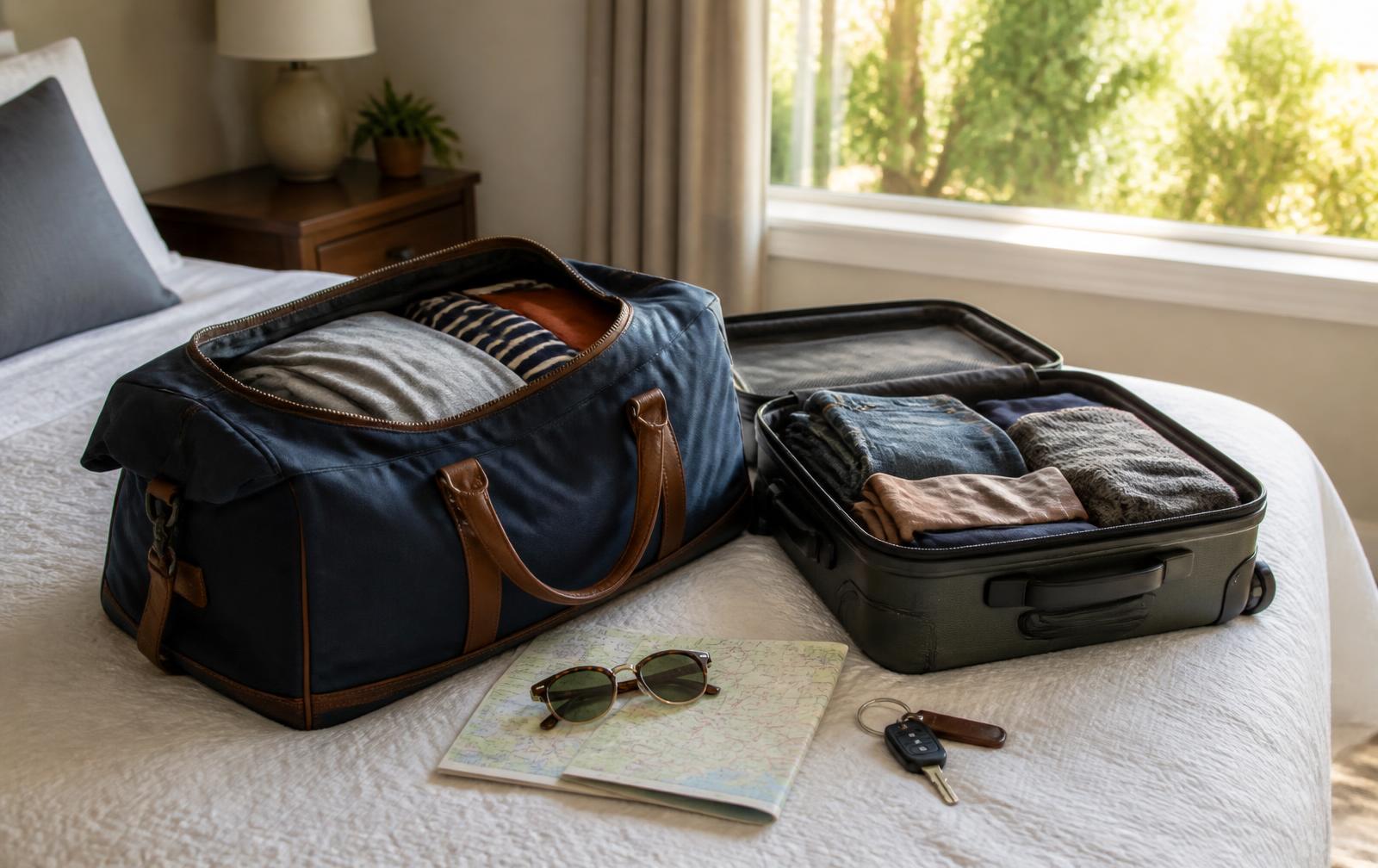
I have found that mastering the landscape of low cost carriers is essential if you want to know how to travel cheap europe. Airlines such as Ryanair, Wizz Air, and EasyJet offer fares that are often lower than a single taxi ride, sometimes ranging from 15 to 40 dollars between major cities. However, these airlines are strict about baggage sizes. To keep costs low, I suggest traveling with only a personal item that fits under the seat. Checking a bag or even bringing a standard carry on can sometimes triple the price of your ticket. Always check which airport the airline uses, as some budget hubs are located an hour or more outside the city center, requiring additional bus fees.
When it comes to ground transport, the debate between buying a Eurail pass and purchasing point to point tickets is common. For those visiting only two or three cities, individual tickets bought in advance are almost always cheaper. I recommend using booking aggregators to compare bus lines like FlixBus against regional trains. While trains are more comfortable, long distance buses can cost as little as 10 dollars for a five hour journey. If you do choose the train, look for regional services rather than high speed lines. These slower trains take more time but do not require the expensive seat reservations that can add 15 to 30 dollars to the cost of a Eurail journey.
Another overlooked strategy is the use of overnight transit. Taking a sleeper bus or night train allows you to combine the cost of transportation and a night of accommodation into one fee. While the sleep quality might not be perfect, the savings are significant for those on a tight budget. Always validate your tickets before boarding local trams or buses, as hefty fines are a common way for budget travelers to lose their hard earned savings. By planning your route in a logical geographic circle, you can minimize the total miles traveled and keep your transit budget under control throughout the duration of your trip.
Selecting Affordable Destinations in Central and Eastern Europe
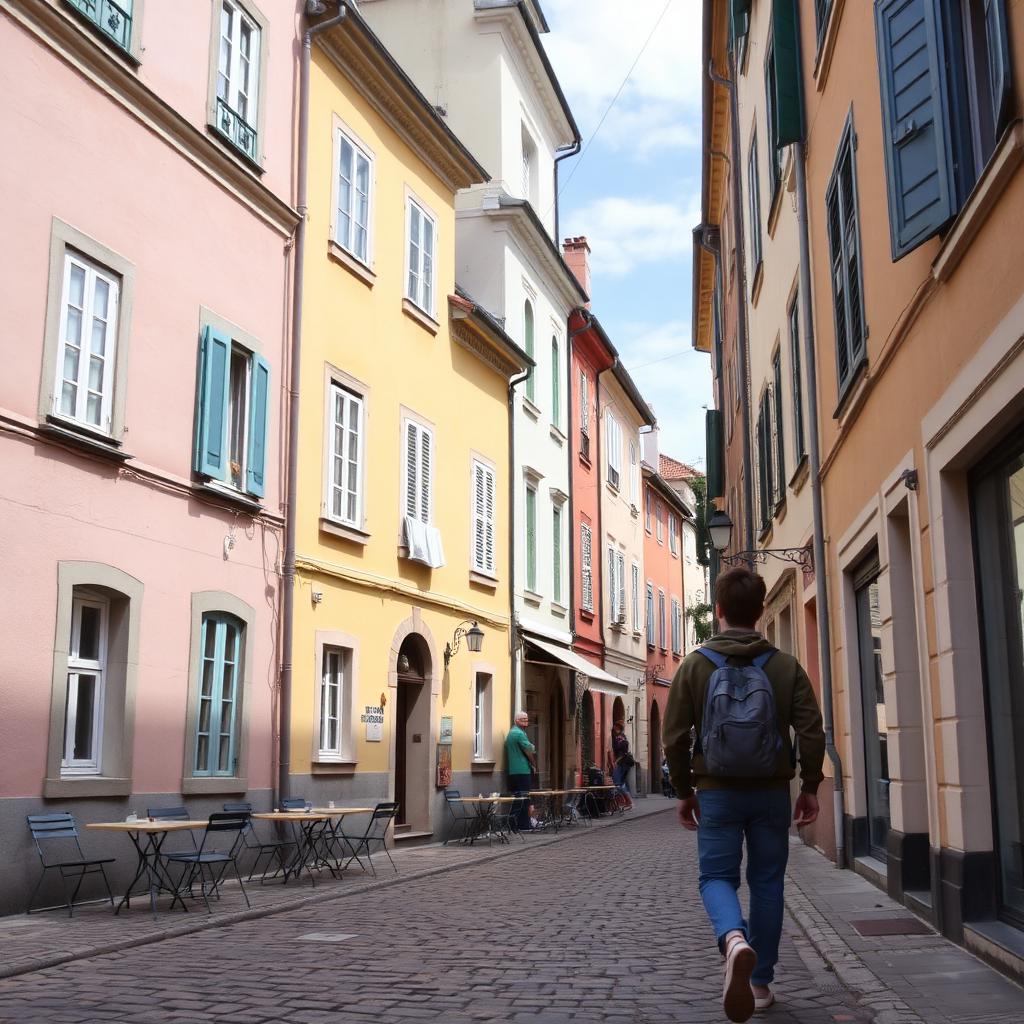
One of the most effective ways to lower your expenses is to reconsider your destination list. While London and Paris are iconic, their daily costs are often double or triple those of cities further east. Portugal stands out as the most affordable Western European option, where you can still find coffee for under two dollars and hearty lunches for less than twelve dollars. Moving into Central Europe, Poland and Czechia offer incredible value. Cities like Krakow and Prague provide world class architecture and history at a fraction of the cost found in Germany or Austria. In these countries, a high quality meal and a drink can often be found for 10 to 15 dollars in local neighborhoods.
For those looking to venture further off the beaten path, Albania and the broader Balkan region are current hotspots for budget seekers. Albania offers stunning Mediterranean beaches and mountainous scenery where the cost of living remains very low. You can find comfortable guesthouses for 25 to 35 dollars per night. These regions allow your money to go much further, meaning you can afford private rooms instead of hostel dorms. Learning how to travel cheap europe often means following the exchange rates and choosing countries where the US dollar has strong purchasing power. This approach allows for a much more comfortable experience without the constant stress of overspending.
When you visit these more affordable countries, you also benefit from lower prices on activities. Museum entries, guided tours, and public transport are priced for locals rather than wealthy tourists. I suggest spending more time in one region rather than rushing across the continent. Not only does this reduce your transit costs, but it also allows you to find the hidden gems and local markets where prices are not inflated for visitors. Exploring the Baltic states of Estonia, Latvia, and Lithuania is another fantastic alternative, as they offer a blend of Nordic culture and historical charm at prices that are significantly lower than Scandinavia.
Leveraging Hostel Networks and Strategic Accommodation
Accommodation is typically the largest daily expense for any traveler. To keep this cost manageable, I recommend joining large hostel networks or using reputable booking platforms to find dorm beds. Hostels in Europe are not just for students; many offer clean, safe, and modern facilities with amenities like communal kitchens. By cooking just one meal a day in a hostel kitchen, you can save 15 to 25 dollars daily. Look for hostels that offer free breakfast, as this eliminates another recurring cost. In many cities, a dorm bed in a highly rated hostel will range from 25 to 45 dollars, whereas a basic hotel room might start at 120 dollars.
If you prefer more privacy, consider booking a private room within a hostel or looking for Airbnbs in residential neighborhoods outside the city center. Staying near a metro station in a less touristy area can save you a significant amount while only adding ten minutes to your commute. Another excellent tip for how to travel cheap europe is to utilize hospitality exchange platforms or house sitting websites. These options require more planning and a verified profile, but they can provide free accommodation in exchange for pet care or cultural exchange. This is particularly useful in expensive cities like Amsterdam or Zurich where even basic hostels are pricey.
Always read reviews carefully to ensure the location is safe and well connected to public transit. I often look for places that provide free walking tours or social events, which helps save money on entertainment. Many hostels also have partnerships with local bars or restaurants for discounts. If you are traveling as a group of three or four, a small apartment rental often becomes cheaper per person than booking individual hostel beds. By being flexible with your sleeping arrangements and prioritizing function over luxury, you can extend your stay in Europe by weeks or even months without exceeding your initial financial projections.
Eating Like a Local and Using Free City Resources
Dining out in Europe can be expensive if you stick to the tourist plazas. To eat cheaply, I recommend heading to local bakeries or pastry shops in the morning for a quick and affordable breakfast. In countries like France or Italy, a croissant or espresso at a stand up bar is a fraction of the price of a seated meal. For lunch, look for the "menu of the day" or "fixed price" options. Many European restaurants offer a two or three course meal at a steep discount during lunch hours to attract local workers. This is often the best way to experience high quality local cuisine at a budget price point, typically ranging from 12 to 18 dollars.
Street food is another excellent resource for the budget conscious traveler. Whether it is a donor kebab in Berlin, a crepe in Paris, or a slice of pizza in Rome, these quick meals are usually under 8 dollars and are very filling. I also suggest visiting local supermarkets and outdoor markets. Buying fresh bread, cheese, and fruit for a picnic in a public park is a classic European experience that costs very little. Avoid buying bottled water in cities where the tap water is safe; instead, carry a reusable bottle and fill it at public fountains. This simple habit can save you 3 to 5 dollars every single day of your trip.
For sightseeing, free walking tours are available in almost every major European city. These tours operate on a tip only basis, allowing you to pay what you can afford while getting a great introduction to the city history. Additionally, many world class museums have "free days" once a month or offer discounted evening hours. I always check the official tourism website for the city to see if a city pass is worth the investment. These cards often include unlimited public transit and free entry to multiple attractions. If you plan to visit three or more paid sites in a single day, a city card usually pays for itself very quickly.
Timing Your Trip to Avoid Peak Pricing
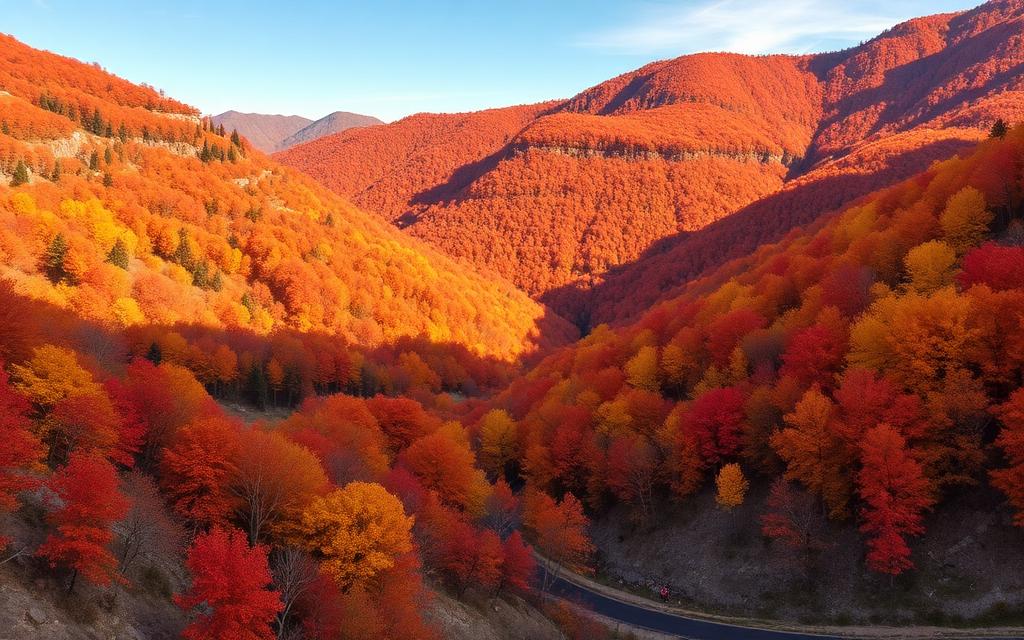
The timing of your journey is perhaps the most critical factor in how to travel cheap europe. The peak season runs from mid June through the end of August, coinciding with school holidays and warm weather. During this time, demand for flights and beds is at its highest, and prices reflect that. I recommend traveling during the shoulder seasons, which are April to May and September to October. During these months, the weather is often pleasant, the crowds are thinner, and prices for accommodation can drop by 30 to 50 percent compared to the summer highs.
Winter travel, excluding the Christmas and New Year period, offers the absolute lowest prices. While northern Europe can be cold and dark, Southern Europe remains relatively mild. Visiting places like Sicily, Southern Spain, or Greece in January can be incredibly affordable. You will find that even popular tourist sites are quiet, allowing for a more intimate experience. Many airlines run seat sales during the late autumn to fill planes for the winter months, providing an opportunity to snag transatlantic flights for significantly less than the usual rate. Just be aware that some attractions in smaller coastal towns may close during the off season.
Another benefit of off peak travel is the increased availability of budget options. In the summer, the cheapest hostels and train tickets sell out months in advance, forcing late planners to pay for luxury options they do not want. In the shoulder season, you have more flexibility to book just a few days ahead without facing massive price hikes. This spontaneity allows you to change your plans based on weather or recommendations from other travelers. By simply shifting your calendar by 60 days, you can transform an expensive vacation into a highly affordable adventure while still enjoying the best of what the continent has to offer.
Frequently Asked Questions
Is it cheaper to fly or take the train in Europe?
Flying is often cheaper for long distances between major cities due to budget airlines, but trains are usually more affordable and convenient for shorter, regional hops between neighboring towns.
Are free walking tours actually free?
These tours are free to join, but the guides work for tips. It is standard practice to give between 5 and 15 dollars per person depending on the quality of the tour and your personal budget.
Can I use my US credit card everywhere in Europe?
Most places accept major credit cards, but it is essential to have one with no foreign transaction fees. Smaller shops and cafes in Eastern Europe or rural areas may still require cash in the local currency.
How much should I budget per day for a cheap trip?
A daily budget of 60 to 90 dollars is reasonable for a budget traveler staying in hostels, using public transport, and balancing grocery store meals with occasional low cost dining out.
Bottom Line
Mastering the art of how to travel cheap europe is about making intentional choices rather than depriving yourself of experiences. By prioritizing affordable Eastern European nations, flying with low cost carriers, and staying in well rated hostels, you can see the world for a fraction of the standard cost. Remember to travel during the shoulder season and utilize free local resources like parks and walking tours to keep your daily spending in check while still enjoying the rich culture and history of the continent.