Quick Answer
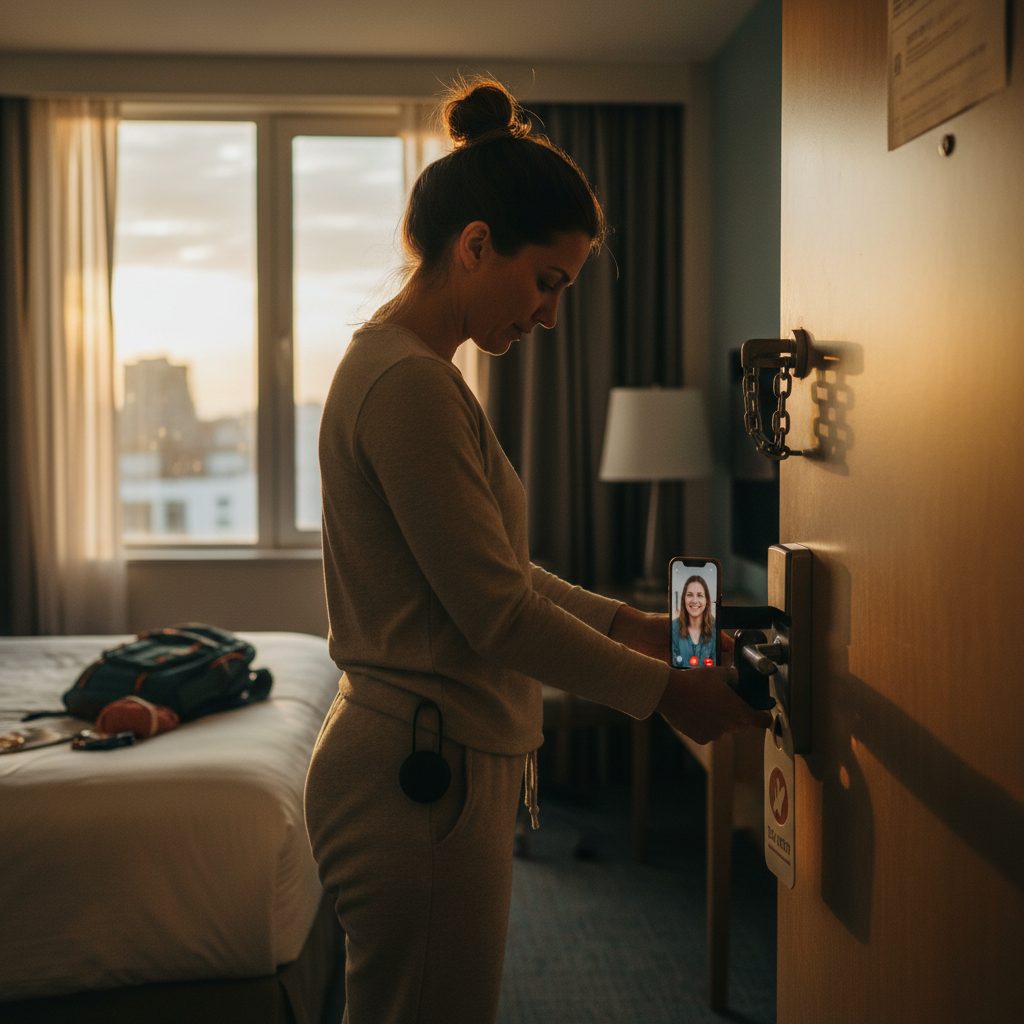
Staying safe in a hotel room as a solo traveler starts with staying aware of your surroundings and using the security tools already provided by the hotel. I always double check that my door is fully latched and use the deadbolt or security chain immediately upon entering my room.
I also recommend requesting a room between the second and fifth floors, away from secluded stairwells or noisy elevators. These simple habits create a layers of security that allow me to relax and enjoy my trip without feeling constant anxiety about my environment.
Choosing the Right Room Location
When I check in, I never accept a room on the ground floor. Ground floor rooms are much easier to access from the outside through windows or patio doors, making them higher risk for solo travelers. I prefer rooms on the third or fourth floor where I am high enough to be away from street level but still within reach of fire department ladders.
I also try to avoid rooms at the very end of long corridors. These areas are often tucked away from the main flow of traffic and can feel isolated if I am returning late at night. A room near the middle of the hallway, close to the elevator but not directly next to it, usually feels the most secure to me.
I never say my room number out loud at the front desk. If the clerk says it loudly, I politely ask for a different room. Total discretion is the goal when I am moving through the lobby alone.
Verifying the Room Features
As soon as I walk into my room, I do a quick sweep before I even unpack my suitcase. I check the bathroom, the closet, and behind the curtains to make sure the space is truly empty. It only takes thirty seconds, but it gives me huge peace of mind.
I test the door locks specifically. I make sure the deadbolt turns easily and that the security latch or chain is firmly screwed into the frame. If the hardware feels loose or broken, I go back to the desk and ask for a move immediately.
I also check the windows and any balcony doors to ensure they lock from the inside. Even if I am on a high floor, I want to know that no one can jump over from an adjacent balcony. If there is a connecting door to another room, I double check that it is locked from my side.
Secondary Security Devices
I often carry a few small, lightweight tools to add an extra layer of protection to my door. A simple rubber door wedge is my favorite travel hack. I shove it under the door from the inside at night, which makes it nearly impossible for someone to push the door open even if they have a master key.
Another great option is a portable door alarm. These small devices hang on the doorknob and emit a loud siren if the door is moved or opened. It acts as both a deterrent and an instant wake up call if someone tries to enter while I am sleeping.
I also like using a portable door lock, sometimes called a travel lock. These fit into the strike plate of the door and prevent it from being opened even with a key card. They are inexpensive, fit in a carry on, and work on most standard hotel doors.
Establishing Safe Daily Habits
I make it a point to act like I am not alone when I am in the room. I often leave the "Do Not Disturb" sign on my door for the entire duration of my stay. This suggests to passersby that someone is inside, which can discourage potential intruders.
When I leave the room for dinner or sightseeing, I leave a light on and sometimes the television at a low volume. This creates the illusion of occupancy. If I need fresh towels, I usually call the front desk and ask them to leave them at the door rather than having housekeeping enter while I am out or in the shower.
I also keep my most important items, like my passport and extra cash, in the hotel safe. While hotel safes are not infallible, they are better than leaving valuables sitting out on the desk or in an unlocked suitcase.
Navigating the Lobby and Common Areas
I try to stay observant when I am walking from the elevator to my room. If I feel like someone is following me or lingering in the hallway, I do not go to my room. I continue walking past or head back to the lobby until the person has moved on.
I keep my room key hidden in my pocket or bag rather than carrying the little paper sleeve with the room number printed on it. If I lose that sleeve in the lobby, anyone who finds it knows exactly where I am staying.
When I order room service or a delivery, I always ask the hotel staff to call my room when the person arrives. I never open the door to anyone without confirming their identity through the peephole or a quick phone call to the front desk.
Emergency Preparedness
I always take a moment to look at the fire evacuation map on the back of the door. I count the number of doors between my room and the nearest exit. In a fire or a power outage, the hallway might be filled with smoke or be pitch black, and knowing exactly how many steps to take can be life saving.
I keep my phone, my room key, and a small flashlight or my shoes right next to my bed. If I have to leave the room in a hurry during the middle of the night, I want to have those three essential items within reach without searching for them.
I also make sure I know how to dial the front desk and emergency services from the room phone. Sometimes the button for the front desk is clearly marked, but other times it requires dialing a specific extension like zero or nine.
Technology and Connectivity
I always share my hotel name and room number with a trusted friend or family member back home. I check in with them regularly so they know I am safe. Modern apps also allow me to share my live location if I am feeling particularly vulnerable in a new city.
I avoid using the hotel public Wi-Fi for sensitive tasks like banking unless I am using a virtual private network or VPN. While this is more about digital safety, it prevents hackers from gaining access to my personal information while I am staying in the hotel.
I also make sure my phone is fully charged before I go to bed. If there is a power outage or an emergency, I need my primary communication tool to be ready to go. I carry a small power bank just in case the outlets near the bed do not work.
Trusting Your Instincts
The most important tool I have is my intuition. If a hotel feels "off" when I arrive, or if the staff makes me feel uncomfortable, I listen to that feeling. I have checked out of hotels before because the locks felt flimsy or the vibe was unsafe, and I never regret spending a little extra money to move to a better place.
Being a solo traveler means being your own best advocate. You do not have to be polite at the expense of your safety. If you feel like someone is watching you or if you are uncomfortable with the room location, speak up and ask for a change.
Safety is not about living in fear, but about being prepared. By following these small steps, I can turn my hotel room into a private sanctuary where I can truly rest after a long day of exploring.
Frequently Asked Questions
Is it safer to stay in a large hotel chain or a small boutique hotel?
Both have benefits, but large chains often have more robust security protocols, 24 hour front desk staffing, and modern electronic key card systems that are harder to bypass than traditional keys.
Should I use the hotel safe for my passport?
Most travelers find the hotel safe to be an adequate spot for a passport, but I recommend also having a digital copy saved in a secure cloud folder and a paper copy hidden in your luggage as a backup.
What should I do if someone knocks on my door claiming to be maintenance?
Do not open the door even if they have a uniform. Call the front desk to verify that they sent someone to your room for a specific repair before you allow them inside.
Are door wedges actually effective on hotel carpets?
Yes, a heavy duty rubber door wedge works very well on most hotel carpets to prevent the door from swinging inward, providing a physical barrier that is difficult to overcome from the outside.
Do I need to worry about cameras in my hotel room?
While extremely rare in reputable hotels, you can do a quick scan of the room for any unusual devices near the bed or bathroom. Using a flashlight to look for lens reflections in smoke detectors or clocks is a common way to check.
Final Thoughts on Solo Safety
Traveling alone is one of the most rewarding experiences I have ever had. It has taught me independence and boosted my confidence in ways I never expected. While the idea of staying in a hotel alone can feel daunting at first, it becomes second nature once you have a routine.
I find that once I have completed my initial room check and set my door wedge, I can completely shut out the world. My hotel room becomes my home base, a place to recharge and plan the next day. Security habits should not feel like a chore, they should feel like a simple checklist that keeps you protected.
Remember that most hotel stays are completely uneventful and safe. These tips are simply meant to give you an edge and ensure that you are prepared for the rare occasions when something might go wrong. Happy travels and enjoy the peace of your solo journey.