Quick Answer
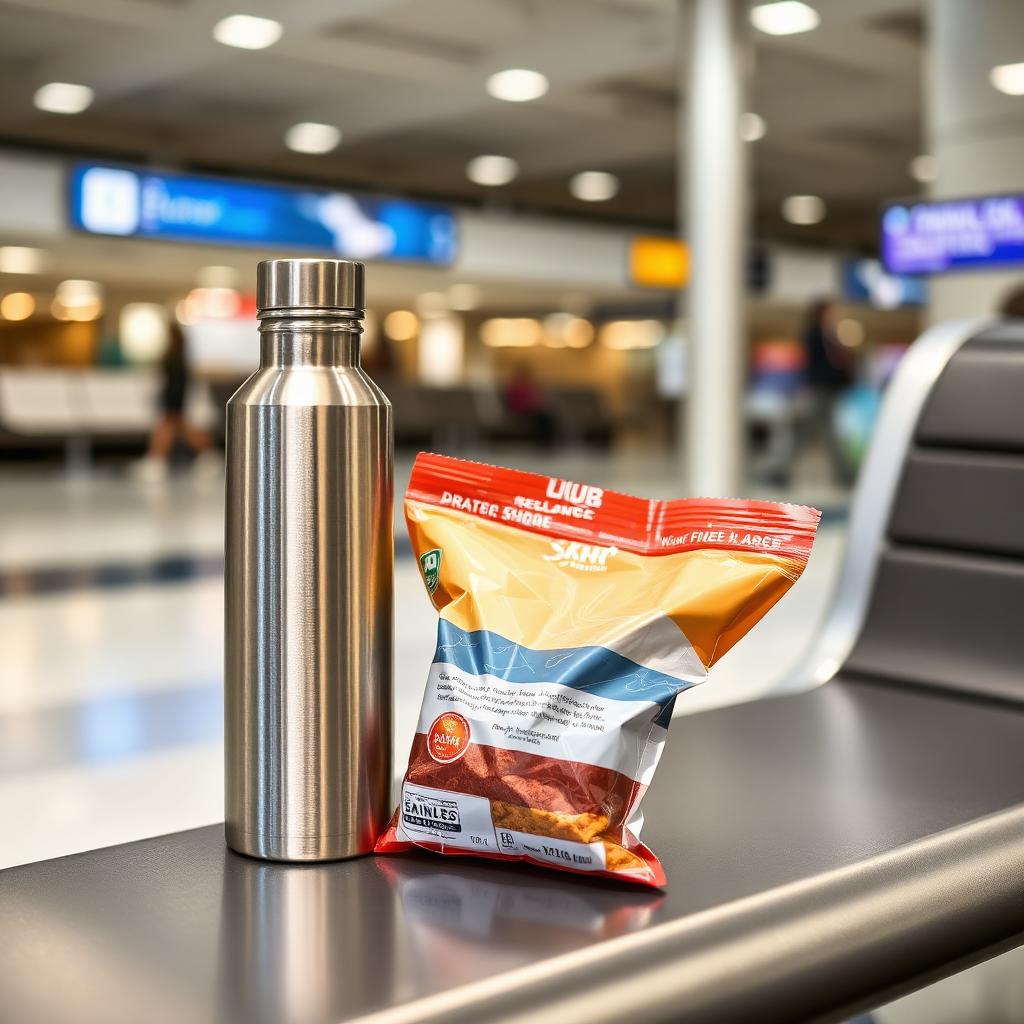
The most effective way to save money airport food costs is to prepare before you arrive at the terminal. Bringing a solid, non-liquid snack pack in your carry-on prevents you from paying the high markups found at gate-side kiosks. I always recommend carrying an empty, reusable water bottle through security to utilize the free hydration stations found in most modern airport concourses.
Beyond packing your own meals, leverage travel credit card benefits for lounge access where complimentary meals are provided. You can also utilize mobile ordering apps to find the best value or utilize specific reward programs that offer discounts at airport vendors. By understanding TSA rules regarding liquids and spreads, you can successfully navigate security with a full meal that helps you avoid terminal prices.
Navigating TSA Rules for Packing Your Own Meals
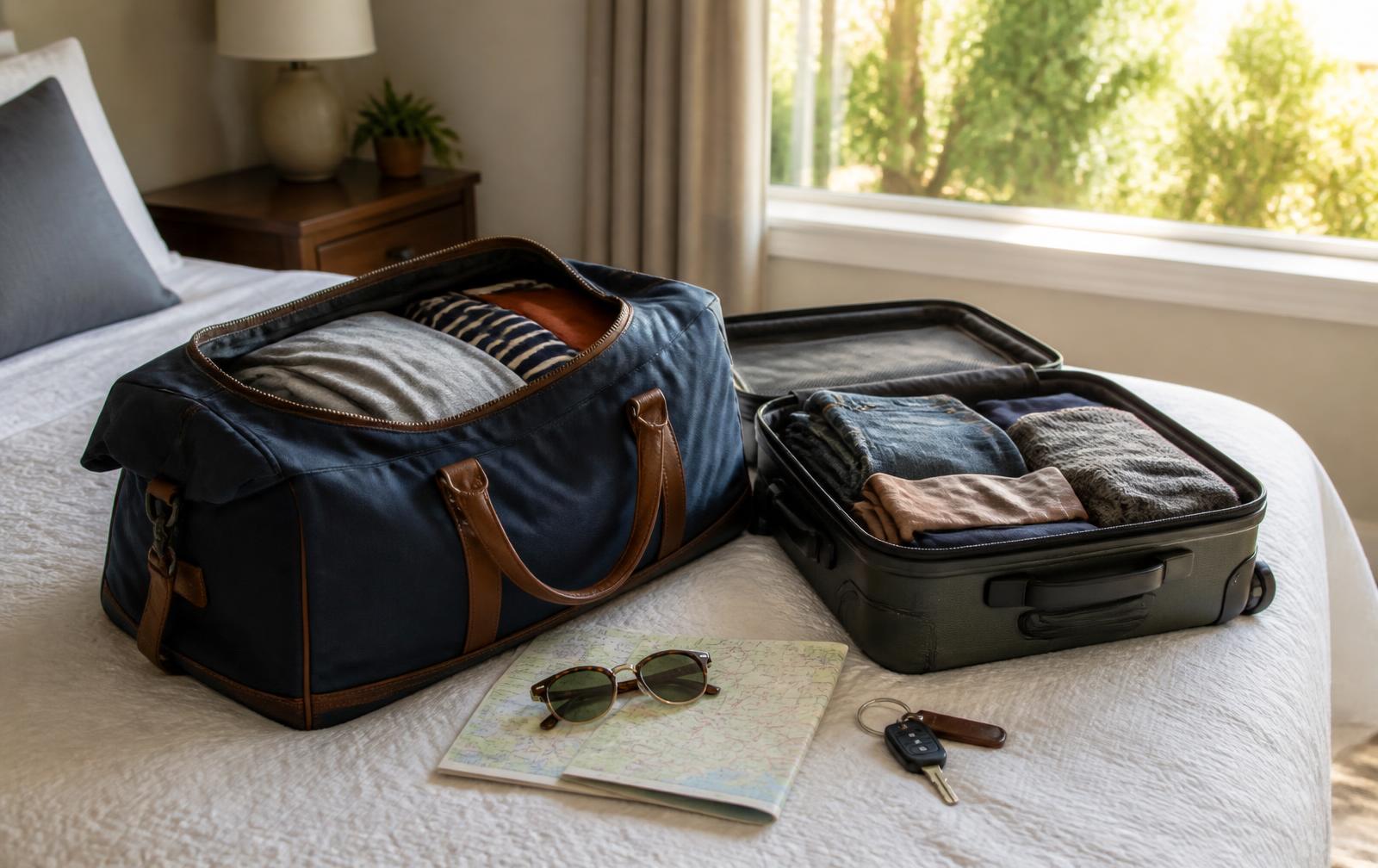
Understanding transportation security regulations is the primary hurdle when you want to save money airport food options by bringing your own. The general rule from the TSA is that solid food items are permitted through the security checkpoint in both carry-on and checked bags. This includes sandwiches, salads without heavy dressing, fruit, nuts, and even cooked meats. I find that dense proteins like grilled chicken or hard-boiled eggs stay fresh and provide the most satiety during long delays, preventing the need for an expensive burger at the terminal.
The complication arises with liquids, gels, and aerosols, which must follow the 3.1.1 rule. This applies to food items that are spreadable or pourable, such as yogurt, peanut butter, hummus, maple syrup, or salad dressing. If these items are in containers larger than 3.4 ounces, they will likely be confiscated at the checkpoint. To bypass this, I suggest packing dry ingredients and purchasing a single small condiment once you are past security, or using packets that fall under the size limit. If you are traveling with a salad, keep the dressing in a tiny, compliant container or apply it before you leave for the airport so the greens remain crisp but seasoned.
Frozen food items are also allowed as long as any ice packs or frozen elements are completely solid when they go through the X-ray machine. If there is any liquid at the bottom of the cooler bag, the TSA officer may reject it. Because of this, I often stick to shelf-stable snacks or items that do not require strict refrigeration for a few hours. High-quality protein bars, dried fruit, and trail mix are my standard go-to items because they take up very little space and help me avoid the ten dollar bags of chips sold near the boarding gates.
Maximizing Credit Card Lounges and Priority Pass Benefits
If you travel more than a few times a year, the cost of a premium credit card often pays for itself through airport lounge access. Programs like the American Express Centurion Lounge or the Chase Sapphire Lounge offer high-quality, buffet-style meals and beverages at no additional cost to the cardholder. When I have a long layover, I head straight to these lounges to eat a full meal instead of spending forty dollars at a sit-down airport restaurant. These environments are also much quieter and provide more reliable Wi-Fi than the general terminal areas.
Priority Pass is another excellent tool to save money airport food. This membership is often included with various travel credit cards and provides access to a global network of independent lounges. Some versions of Priority Pass even offer credits at specific airport restaurants. In certain cities, you might receive a credit of twenty-eight dollars per person toward your bill at a participating airport bistro. This can cover a full entree and a drink, effectively making your pre-flight meal free aside from the tip for the server.
To make the most of these benefits, I always check my credit card app or the Priority Pass website before arriving at the airport. Lounges can occasionally be located in different terminals that require a shuttle or a long walk, so knowing the location helps you manage your time. Some lounges also allow you to bring a guest for free, which doubles the savings if you are traveling with a partner or friend. Even if you only visit a lounge for coffee and light snacks, the savings add up quickly compared to the high prices at terminal cafes.
Using Mobile Apps and Grubhub for Better Value
Mobile ordering has become a standard feature at many major hubs, and it is a secret weapon for those trying to save money airport food. Many airports have partnered with platforms like Grubhub or proprietary apps to allow travelers to order food for pickup. The benefit here is twofold: you can browse every menu in the terminal at once to compare prices, and you can often find promotional codes or rewards points that are not available for walk-up orders. I prefer this method because it removes the pressure of the line, allowing me to find the most calorie-dense and cost-effective meal available.
When you use an app like Grubhub at the airport, you can see exactly which vendors have the lowest markups. While some franchises keep their prices close to their street-side locations, others might increase prices by thirty percent or more inside the terminal. By filtering for specific cuisines or price points on the app, you can identify the "grab and go" spots that offer substantial portions for a reasonable price. This strategy is particularly useful in massive airports where walking from gate to gate just to check prices is physically exhausting.
Furthermore, many airport-specific apps offer loyalty programs. If you frequently fly through a specific hub like Atlanta, Chicago, or Dallas, signing up for their local concessions rewards can lead to significant discounts or even a free meal after a few purchases. I always check if my mobile phone carrier or travel apps offer any "thank you" rewards for dining. Sometimes, a simple digital coupon can shave five or ten dollars off a meal, making the airport dining experience much more palatable for a budget-conscious traveler.
Smart Hydration and Refill Station Strategies
One of the most egregious expenses at an airport is bottled water, which can often cost five or six dollars for a standard plastic bottle. To avoid this, I never go to the airport without an empty, reusable water bottle. Most major US airports have installed high-tech bottle refilling stations near the restrooms. These stations provide filtered, chilled water for free. By filling up immediately after passing through security, I save enough money over the course of a round-trip to buy a decent meal elsewhere.
If you prefer flavored drinks, you can bring individual powdered drink mixes or electrolyte packets in your carry-on. These are completely compliant with TSA rules because they are dry solids. Adding a lemon-lime or fruit punch packet to your free bottle of water creates a beverage that would cost four dollars at a terminal newsstand. This is also a great way to stay hydrated on long flights where the beverage service might be delayed or infrequent. I find that staying well-hydrated also reduces the impulse to buy salty, overpriced snacks during the flight.
For coffee drinkers, the savings can be even more substantial. While you cannot bring a hot latte through security, you can bring your own dry tea bags or even high-quality instant coffee packets. Once you are past the checkpoint, you can often ask a cafe for a cup of hot water for a nominal fee or even for free if you are making another small purchase. This allows you to enjoy your preferred brand of caffeine without paying the five to eight dollars typically charged at premium airport coffee chains. Small adjustments like these are the foundation of a frugal travel strategy.
Identifying Low-Markup Grab and Go Options
When shopping for food inside the terminal, not all vendors are created equal. I have found that traditional newsstands and convenience kiosks usually have the highest markups on pre-packaged items like sandwiches and salads. Instead, I look for national fast-food chains that have "street pricing" policies. Some airports require vendors to keep their prices within a certain percentage of their non-airport locations. Finding a familiar brand that follows these rules can result in a much cheaper meal than a specialized airport bistro.
Another excellent option is to look for "grab and go" sections within larger sit-down restaurants. These areas often sell the same high-quality ingredients as the main dining room but at a lower price point because there is no table service. I often find pre-made wraps or grain bowls in these sections that are more nutritious and cheaper than the processed snacks at the gift shop. Choosing items like bananas, oranges, or apples is also a smart move, as whole fruit is usually priced much more reasonably than sliced fruit cups.
Lastly, consider the "kid’s meal" hack if you are looking for a light snack or a small lunch. Many airport vendors offer children’s portions that include a main item, a side, and a drink for a fraction of the cost of an adult meal. These portions are often surprisingly substantial and provide exactly what you need to tide you over until you reach your destination. By being strategic about where you shop and what you order, you can save money airport food every time you fly, regardless of which city you are departing from.
Frequently Asked Questions
Can I bring a full sandwich through TSA security?
Yes, solid food items like sandwiches are permitted as long as they do not contain more than 3.4 ounces of liquid or gel-like substances such as heavy sauces or condiments.
Are airport water refill stations safe to use?
Most major airports use advanced filtration systems for their dedicated bottle-filling stations, making the water as safe as or safer than standard tap water.
Which credit cards provide the best airport lounge access?
Cards like the American Express Platinum, Chase Sapphire Reserve, and Capital One Venture X are widely considered the leaders for lounge access via the Priority Pass and proprietary lounge networks.
Do airports have a limit on how much food I can bring?
There is no official TSA limit on the amount of solid food you can bring, but it must fit within your carry-on luggage and be able to be screened by the X-ray machine.
Bottom Line
You do not have to settle for expensive terminal meals if you plan ahead and utilize the resources at your disposal. By packing your own solid snacks, bringing a reusable water bottle for free refills, and taking advantage of credit card lounge benefits, you can avoid the steep markups common in the travel industry. Use mobile ordering to compare prices and seek out vendors with fair pricing policies. These simple habits will ensure you stay full and hydrated without overspending on your next trip.