Quick Answer
The secret to a successful trip with elderly parents is slowing down the pace and prioritizing accessibility at every step. Planning requires a shift from seeing as many sights as possible to focusing on high quality experiences that allow for frequent rest breaks and minimal walking distances.
I recommend booking direct flights, selecting hotels with elevators or ground floor rooms, and securing comprehensive travel insurance that covers pre-existing conditions. Always schedule a medical checkup for your parents at least four weeks before departure to ensure they have enough medication and are fit for the journey.
Start With an Honest Conversation About Mobility
Before I even look at flight prices, I sit down with my parents to have a realistic talk about what they can handle physically. It is easy for them to overstate their stamina because they do not want to hold me back, but being honest now prevents a crisis later. I ask specific questions about how many stairs they can climb and how long they can stand in a line before they need to sit down.
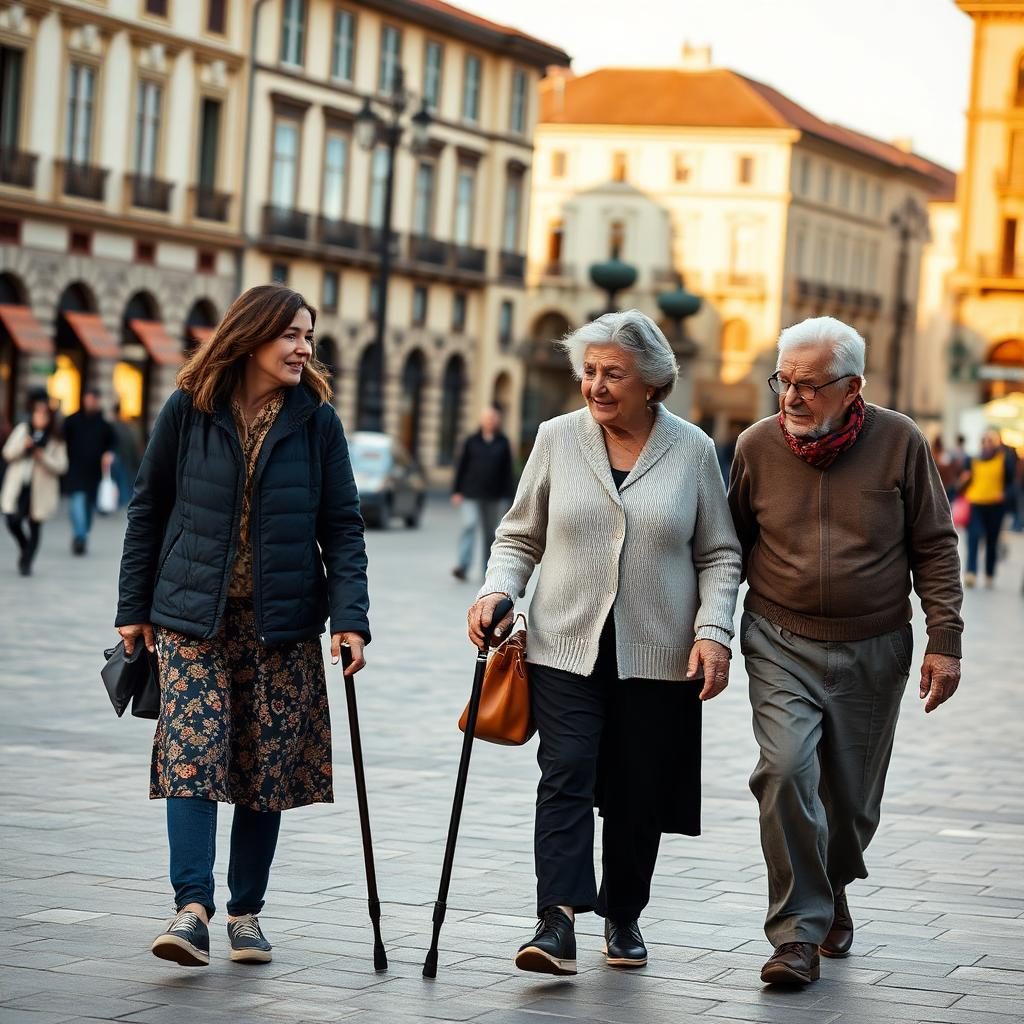
I also research the terrain of our destination. Cobblestone streets in European cities or hilly landscapes in places like San Francisco can be incredibly taxing on older joints. If walking is an issue, I look into renting a lightweight foldable wheelchair or a motorized scooter at our destination even if they do not use one at home. Having it as a backup reduces anxiety for everyone involved.
Prioritize Direct Flights and Airport Assistance
Getting through the airport is often the most exhausting part of the trip. I always try to book non-stop flights to avoid the stress of rushing between gates during tight connections. If a layover is unavoidable, I make sure it is at least three hours long to allow for a slow walk and a meal. I also double check that the layover airport is not known for massive terminal changes that require shuttle trains.
One of my favorite tips is to request wheelchair assistance when booking the tickets. Even if my parents can walk short distances, the trek to a far off gate can be a mile long. Having an airport staff member push them through security and to the gate saves their energy for the actual vacation. This service is usually free, though I always keep some small bills handy to tip the attendant.
Choosing the Right Accommodation
I focus on location and accessibility when picking a hotel or vacation rental. I look for properties that are centrally located near the main attractions so we can easily return to the room for a midday nap. Being able to pop back to the hotel for an hour is a game changer for keeping energy levels high for dinner.
If I am booking a rental home, I strictly look for units on the ground floor. If it is a hotel, I call ahead to confirm that the elevator is reliable and that the shower has a grab bar and a non-slip mat. I avoid "charming" historical inns that often lack modern elevators or have narrow, winding staircases that are difficult to navigate with luggage or tired legs.
Keep the Itinerary Light
The "one big thing per day" rule is my personal mantra for multigenerational travel. I plan one major activity in the morning when my parents have the most energy. After a nice lunch, I leave the afternoon open for resting, reading, or a slow stroll near the hotel. If they feel up for more, we can add a small activity, but the pressure to perform is gone.
I also build in "buffer days" where nothing is scheduled at all. This allows for recovery if the travel day was particularly draining or if someone feels under the weather. I find that my parents enjoy the trip much more when they do not feel like they are on a forced march from one monument to the next.
Managing Medications and Health
I always ensure my parents carry a physical list of their medications, dosages, and the names of their doctors. I suggest they pack at least one extra week of all prescriptions in their carry-on bag just in case of travel delays. Putting medication in checked luggage is too risky because bags can go missing.
I also locate the nearest hospital and pharmacy to our hotel before we arrive. Knowing exactly where to go in an emergency gives me peace of mind. It is also a good idea to bring a small kit with basic first aid supplies, antacids, and any over the counter pain relievers they usually use to avoid hunting for a pharmacy in a foreign country at night.
Invest in the Right Travel Insurance
Standard travel insurance is often not enough for older travelers. I look for policies specifically designed for seniors that include a waiver for pre-existing medical conditions. This usually requires purchasing the policy within a short window of making the first trip payment, so I do not wait.
I pay close attention to the emergency medical evacuation coverage. If we are traveling to a remote area or a different country, the cost of a medical flight back home can be tens of thousands of dollars. Having a policy that covers these costs ensures that a health hiccup does not turn into a financial catastrophe for the family.
Focus on Dining and Comfort
Meal times are a highlight of travel for my parents, so I make reservations in advance to avoid long waits. I look for restaurants that have comfortable seating with backs, as bar stools or hard benches can be uncomfortable for long periods. I also check if the restaurants are noisy, because loud environments can make it difficult for those with hearing aids to participate in the conversation.
- Avoid peak dining hours to ensure a quieter and more relaxed experience.
- Check for accessible bathrooms in restaurants before sitting down.
- Carry a reusable water bottle to keep everyone hydrated throughout the day.
- Pack healthy snacks like nuts or fruit to prevent low blood sugar between meals.
Frequently Asked Questions
What is the best way to handle different interests during a trip?
I often split up for a few hours in the afternoon so I can do a more strenuous hike or see a niche museum while my parents relax at a cafe or the hotel. Meeting back up for dinner lets us share our different experiences without someone feeling bored or exhausted.
Should I bring a wheelchair even if they do not use one at home?
Yes, I find it incredibly helpful for navigate large museums, airports, or long stretches of city walking. It serves as a mobile seat for them and reduces the physical strain on their body, making the whole trip more enjoyable for everyone involved.
How do I talk to my parents about their limitations without offending them?
I approach it from a place of logistics and maximizing fun rather than focusing on their age. I might say that I want to make sure we have plenty of time for slow lunches and relaxation so we are not rushed, which sounds better than saying I think they are too slow.
What documents should we carry for elderly travelers?
Besides the standard passport and ID, I keep a folder with their travel insurance policy details, a list of all current medications, a brief medical history, and emergency contact numbers for their primary care physicians back home.
How can we make long car rides or flights more comfortable?
I encourage my parents to wear compression socks to help with circulation and prevent swelling. During flights, I make sure they get up to walk the aisle every hour, and during road trips, I plan for a stretch break every 90 minutes regardless of whether anyone thinks they need one.
Final Thoughts on Planning
Planning a trip with elderly parents requires more work upfront, but the memories are worth the effort. By focusing on comfort and pacing, I ensure that the trip is a vacation for them and not an endurance test. The most important thing I have learned is to remain flexible and keep a positive attitude when plans need to change on the fly.
I find that if I handle the logistics, my parents can focus on simply enjoying the destination. Traveling with them at a slower pace often helps me notice small details and beautiful moments that I would have missed if I were rushing through my own solo itinerary. It is a different style of travel that is deeply rewarding for the whole family.