Quick Answer
Planning a successful road trip with kids requires shifting your mindset from the destination to the journey. I recommend capping total daily drive time at four to six hours depending on the age of your children. You should schedule a substantial stop every two hours to allow everyone to stretch, use the restroom, and burn off energy at a park or rest area.
Success depends on a balance of structured entertainment, strategic snacking, and choosing family friendly lodging. I always prioritize hotels with suites and indoor pools to ensure kids can decompress after a day in the car. By packing individual kits for each child and maintaining a flexible itinerary, you turn a potentially stressful transit period into a memorable part of your vacation.
Establishing Daily Driving Caps by Age Group
When you start planning a road trip with kids, the most critical factor is the total time spent in car seats. For infants and toddlers under three years old, I recommend a strict limit of three to four hours of driving per day. Younger children lack the physical stamina to remain strapped into a car seat for extended periods, and their sleep schedules are easily disrupted by the motion of the vehicle. If you push beyond these limits, you risk entering the overtired zone where meltdowns become inevitable. I find that starting the drive during a morning nap window helps maximize the miles covered while the child is comfortable.
For elementary aged children between five and ten, you can usually extend the daily limit to about six hours. These children have better bladder control and can be reasoned with using milestones and rewards. However, six hours of actual driving often turns into eight hours on the road once you account for meals and activity breaks. I suggest front loading the heavy driving hours in the morning when patience is high. For teenagers, you can occasionally push to eight hours, but only if they have access to their own entertainment and frequent opportunities to walk around. No matter the age, I always aim to arrive at the overnight destination by 5:00 PM to allow for a normal evening routine.
Mastering the Two Hour Stop Cadence
The secret to a peaceful road trip with kids is a predictable rhythm. I adhere to a strict two hour rule. Every 120 minutes, the car must stop, even if the kids seem content. This preventative measure addresses physical restlessness before it manifests as behavioral issues. I avoid stopping at gas stations for these breaks whenever possible. Instead, I look for local community parks, school playgrounds, or even grassy areas near municipal buildings. Ten minutes of vigorous physical activity, such as tag or jumping jacks, does more for a child's mood than thirty minutes of passive tablet time.
During these stops, I perform what I call a hard reset of the vehicle environment. We clear out any accumulated trash, reorganize the snack bins, and check that all devices are plugged in to charge. This prevents the back seat from becoming a cluttered mess that adds to the sensory overload children often feel during travel. If you are traveling through rural areas, I suggest using navigation apps to scout for green spaces at least thirty minutes before your two hour timer expires. This proactive approach ensures you are not stuck searching for a safe place to stop when a child reaches their breaking point.
Layering Entertainment with Audiobooks and Tablets
Keeping children occupied for hours requires a multi tiered strategy. I like to start the day with shared entertainment like audiobooks or family friendly podcasts. This creates a collective experience where everyone is listening to the same story, which can spark conversations and keep the driver engaged. I look for narrators with dynamic voices and stories that appeal to a wide age range. Often, these stories provide the background noise needed to keep the car quiet without requiring every child to stare at a screen immediately upon departure.
Once the novelty of the audiobook wears off, tablets and handheld games become the primary tools for peace. I ensure all content is downloaded for offline use before we leave the driveway to avoid frustration over poor cellular signals. To save my sanity, I mandate the use of comfortable, over the ear headphones for every child. We also pack traditional travel games like magnetic bingo or car window markers for a tactile break from electronics. Rotating between different types of media every hour prevents digital fatigue and keeps the road trip with kids feeling like a special occasion rather than just an endless screen session.
Strategic Snacking and Nutrient Planning
The food you provide during a road trip with kids can make or break the atmosphere. I avoid high sugar snacks that lead to energy spikes and subsequent crashes. Instead, I focus on high protein and high fiber options like cheese sticks, nut butters, whole grain crackers, and pre cut vegetables. I find it helpful to give each child their own small, insulated cooler or bento box. This gives them a sense of autonomy over their food and prevents constant requests for the parent to reach into the main snack bag. It also limits the total amount they can consume in one sitting, preventing tummy aches.
Hydration is equally important but requires a balance to avoid excessive bathroom stops. I provide refillable water bottles with leak proof straws and focus on water rather than juice or soda. To make mealtime more than just a caloric intake, I often plan one picnic lunch per day at a scenic overlook or park. Eating outside the car is a massive psychological boost for children who feel confined. If we must eat fast food, I look for places with indoor play areas to maximize the utility of the stop. I also keep a small emergency kit of wipes and trash bags within arm's reach to handle spills before they become permanent stains on the upholstery.
Choosing the Right Hotels and Packing Efficiency
Where you sleep is just as important as how you drive. For a road trip with kids, I exclusively book hotels that offer more than a standard single room. Brands like Residence Inn or Home2 Suites are ideal because they feature kitchenettes and separate living areas. Having a fridge allows you to restock healthy snacks and keep milk or yogurt fresh. I also look for Hampton properties because the included hot breakfast saves significant time and money in the morning. A pool is a non negotiable requirement for us. Even thirty minutes of swimming in the evening helps children burn off any remaining physical energy from the day car ride.
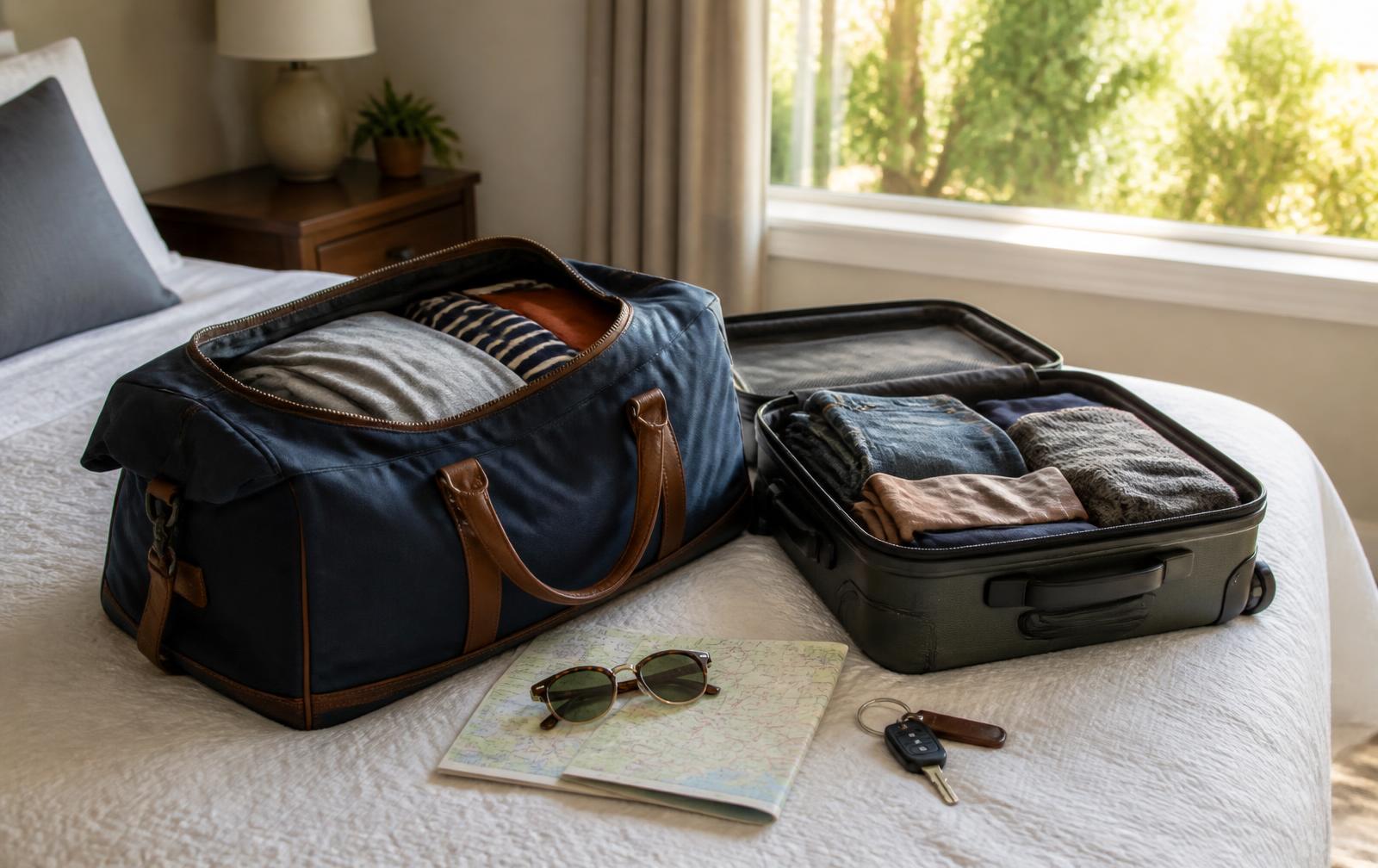
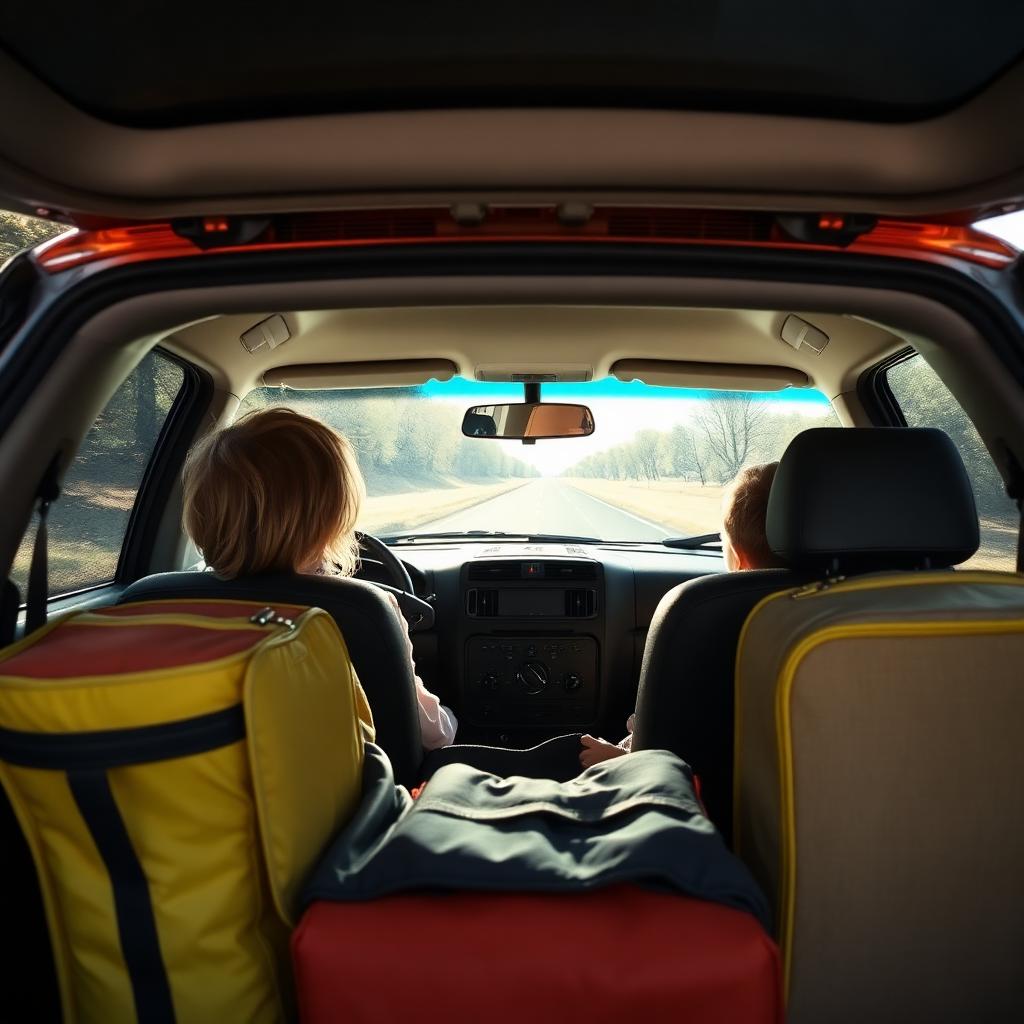
Packing for the trip works best when it is organized by individual. I use color coded packing cubes for each child, which allows me to find a fresh outfit without rummaging through a massive suitcase. I also pack a separate overnight bag that contains only the essentials for a single hotel stay, such as pajamas, toiletries, and one change of clothes for everyone. This way, I do not have to haul every piece of luggage into the hotel for a quick one night stop. By keeping the car organized with seat back organizers and dedicated shoe bins, I maintain a sense of order that reduces the mental load of traveling with a family.
Frequently Asked Questions
What is the best age to start a road trip with kids?
While children of any age can travel, many parents find that age four and older is a sweet spot because they are potty trained and can communicate their needs clearly.
How do I handle motion sickness in the car?
I recommend keeping the car cool, encouraging kids to look at the horizon, and avoiding heavy meals right before mountain passes or winding roads.
Should I drive through the night while the kids sleep?
While some parents swear by this, I caution against it because of driver fatigue and the fact that kids may be energetic the next day while you are exhausted.
What are the best sanity savers for parents?
I always pack a pair of noise cancelling headphones for the non driving parent and a dedicated bag of new, inexpensive toys that are revealed only during difficult stretches of the drive.
Bottom Line
A successful road trip with kids is the result of thorough preparation and a commitment to a slower pace. By limiting your daily mileage, prioritizing physical activity during stops, and choosing kid friendly hotels with extra space, you create an environment where the family can actually enjoy the time together. Always remember that the goal is to arrive safely and happily, even if it takes a few extra hours or more stops than you originally planned.