Quick Answer
Learning how to plan a road trip begins with mapping a realistic route that balances driving time with exploration. I recommend setting a firm limit of five to seven hours of active driving per day to avoid fatigue and ensure you actually enjoy the scenery. This pace allows for spontaneous stops at roadside attractions, local diners, or scenic overlooks without the stress of falling behind a rigid schedule.
The logistical foundation involves preparing your vehicle with a mechanical check, budgeting for fluctuating gas costs, and booking key accommodations in advance. By combining navigation apps like Google Maps with specialized itinerary tools like Roadtrippers, you can visualize your path and identify fuel stops using GasBuddy. A successful trip relies on this blend of digital preparation and physical safety measures like a well stocked emergency kit.
Mapping Your Route and Daily Mileage Limits
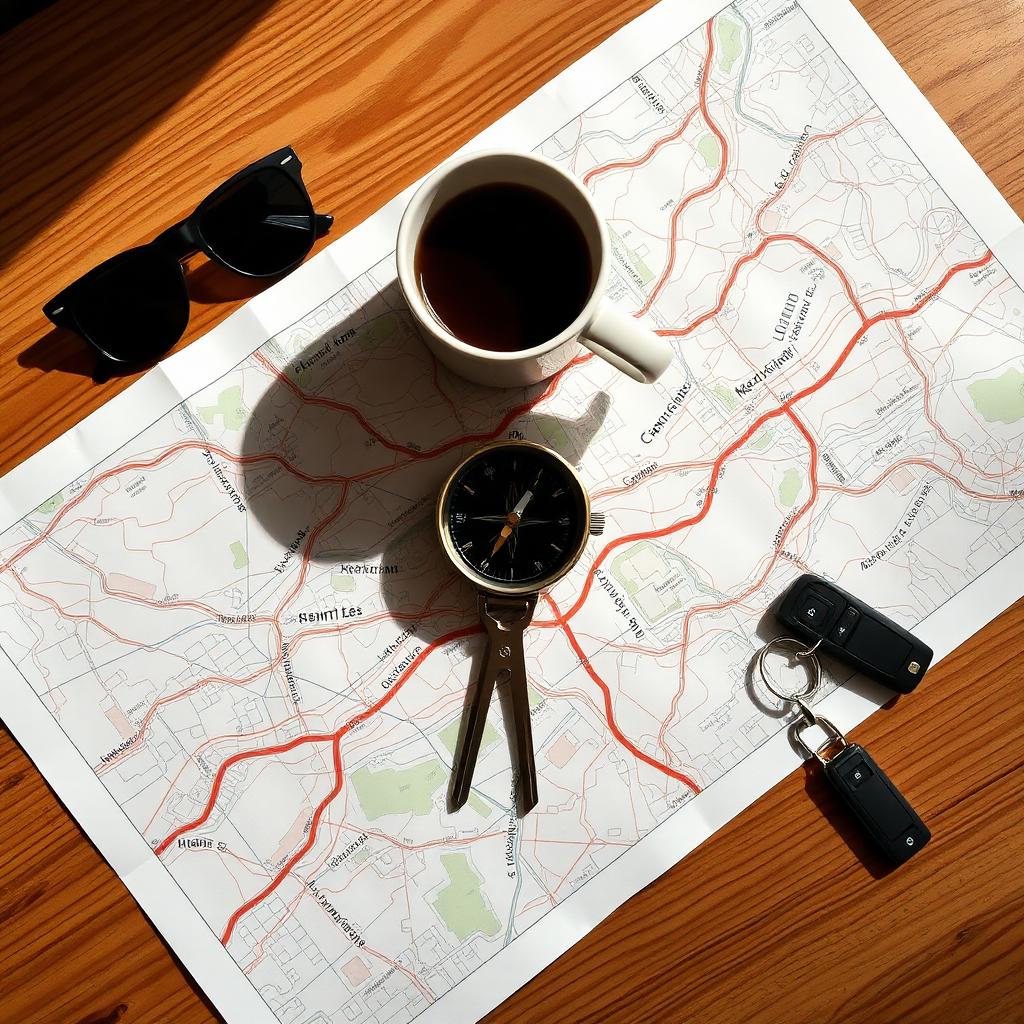
The first step in how to plan a road trip is defining your primary destination while identifying the smaller waypoints that make the journey worthwhile. I find it helpful to start with a broad path on Google Maps to see the total mileage, then break that total into manageable daily segments. For most travelers, covering 300 to 500 miles a day is the sweet spot. This equates to roughly five to eight hours in the car, leaving enough daylight for check-ins at hotels or campsites and a relaxed dinner.
During the planning phase, I look for the balance between major interstates and scenic byways. While highways save time, the backroads often provide the iconic American road trip experience. When calculating your daily limits, always factor in a buffer for traffic, construction, and weather. A three hundred mile stretch that looks easy on a map can quickly turn into an eight hour ordeal if you encounter mountain passes or heavy urban congestion. Keeping your daily driving window flexible prevents the burnout that often sets in by the third or fourth day of a long haul travel itinerary.
I also suggest incorporating "zero days" into your schedule if the trip exceeds one week. A zero day is a 24 hour period where the car stays parked and you explore a single city or national park on foot. This break is essential for the driver to rest and for passengers to stretch. It also serves as a strategic recovery day in case you fell behind your schedule due to unforeseen delays earlier in the trip. Mapping these rest periods is just as important as mapping the turns on the road.
Vehicle Preparation and Essential Maintenance
Your vehicle is the most critical piece of equipment, so prep work must begin at least two weeks before your departure date. I always start with an oil change if the trip mileage will put the vehicle past its next service interval. Checking the health of your battery is equally important, especially if you are traveling to areas with extreme heat or cold. Modern batteries typically last three to five years, so if yours is approaching that age, a proactive test at an auto parts store can prevent a breakdown in a remote area.
Tire health is the next priority for a safe journey. Check the tread depth using the penny test and ensure the air pressure matches the manufacturer specifications found on the driver side door jamb. Do not forget to inspect the spare tire as well, as a flat spare is useless in an emergency. I also make it a point to replace windshield wiper blades and top off the washer fluid. Visibility is often overlooked until you are caught in a sudden torrential downpour on an unfamiliar highway, making fresh wipers a cheap but vital insurance policy.
Finally, listen for any unusual noises like brake squealing or engine clicking during your daily commute leading up to the trip. If something feels off, have a mechanic perform a multi point inspection. This check should include the cooling system, belts, hoses, and brake pads. While it might seem like an unnecessary expense, addressing a small leak or a worn belt at home is far more affordable and convenient than dealing with a towing service and an emergency repair in a town where you have no local connections or trusted shops.
Budgeting for Fuel and Travel Expenses
Gas is typically the largest recurring expense when you plan a road trip, and costs can fluctuate significantly across state lines. To create an accurate budget, I use tools like GasBuddy to check average prices along my specific route. You can calculate the estimated cost by taking the total trip mileage, dividing it by your vehicle average miles per gallon, and multiplying that by a conservative fuel price estimate, such as four dollars per gallon. I always add a twenty percent buffer to this total to account for idling in traffic or detours.
Beyond fuel, consider the "hidden" costs of the road like tolls, parking fees, and national park entrance permits. Many bridges and turnpikes in the United States have moved to electronic tolling, meaning you might receive a bill in the mail weeks later or need a specific transponder like E-ZPass or SunPass. If you plan to visit multiple national parks, purchasing an America the Beautiful pass for around eighty dollars can save a significant amount of money compared to paying individual entry fees at every gate, which can range from twenty to thirty five dollars per vehicle.
Food budgeting is where most travelers see the most variance. I prefer to pack a large cooler with water, snacks, and sandwich fixings to minimize the number of times I have to buy expensive convenience store snacks or fast food. This strategy allows me to save the food budget for one high quality local meal per day. By alternating between grocery store hauls and local dining, you can maintain a healthy diet while keeping your total daily spend within a reasonable range of fifty to one hundred dollars per person.
Building a Comprehensive Emergency Kit
No matter how well you maintain your car, you must be prepared for the unexpected. A basic emergency kit should live in your trunk and include jumper cables, a portable jump starter, a tire pressure gauge, and a headlamp with extra batteries. I also keep a physical road atlas in the car because GPS signals can be unreliable in canyons or rural mountain ranges. Having a paper map ensures you can always find your way to the nearest town even if your smartphone loses its connection or runs out of battery power.
Personal safety and comfort items are just as necessary as mechanical tools. Your kit should include a first aid pack with bandages, antiseptic wipes, pain relievers, and any necessary prescription medications. I also pack reflective triangles or flares to make the vehicle visible if I am forced to pull over on a shoulder at night. In the event of a breakdown, you might be waiting for several hours for a tow truck, so keeping extra blankets, a gallon of water per person, and non perishable high protein snacks like nuts or jerky is a standard safety protocol.
Lastly, consider the digital side of emergencies. I always download offline maps for my entire route on Google Maps before leaving home. This allows the GPS to function even without a cellular data signal. It is also wise to have a physical list of emergency contacts and your insurance policy information printed out. If your phone dies or is damaged in an accident, having that information on paper is invaluable. Checking your roadside assistance coverage through your insurance provider or a club like AAA ensures you know exactly who to call if you need a tow or a lockout service.
Lodging Strategy and Pacing for Longevity
Deciding where to sleep requires a balance between spontaneity and security. I generally recommend booking your first and last nights in advance to provide a solid bookend to the journey. For the middle of the trip, booking 24 to 48 hours ahead is usually sufficient, unless you are traveling during a holiday weekend or visiting a popular destination like a national park during peak season. Using apps like HotelTonight or TripAdvisor can help you find last minute deals, but be aware that smaller towns may have very limited inventory that fills up by late afternoon.
Pacing is the secret to a road trip that feels like a vacation rather than a chore. I follow the "2-2-2 rule" when possible: drive no more than 200 miles, arrive by 2:00 PM, and stay for at least two nights. While this isn't always feasible on a cross country trek, the principle of arriving early is sound. Getting to your lodging by mid afternoon gives you time to explore the local area, find a unique place for dinner, and get a full night of sleep. This prevents the "marathon driving" cycle where you arrive late, sleep poorly, and start the next day already exhausted.
If you are traveling with a group, discuss expectations for stops and timing before you leave the driveway. Some people prefer to drive until the tank is empty, while others need a stretch break every ninety minutes. Establishing a shared understanding of the pace helps prevent friction. I find that planning for one long stop at a park or a museum every day keeps the mood light and gives everyone something to look forward to beyond just the next gas station. How to plan a road trip effectively is as much about managing human energy as it is about managing the vehicle and the miles.
Frequently Asked Questions
What are the best apps for planning a road trip?
Google Maps is essential for real time navigation, while Roadtrippers is excellent for finding unique landmarks and roadside attractions. GasBuddy helps you find the cheapest fuel in your immediate area, and iExit is useful for seeing which amenities are available at upcoming highway exits.
How much should I save for an average road trip?
A safe estimate is between 150 and 250 dollars per day for a couple, covering fuel, mid range lodging, and food. This varies based on your vehicle fuel economy and whether you choose to camp or stay in hotels, but having this baseline helps prevent financial stress on the road.
Should I rent a car or drive my own?
If your personal vehicle is older or has high mileage, renting a newer car can provide peace of mind and better fuel efficiency. However, if your car is well maintained and comfortable, using your own vehicle saves the daily rental fee and allows you to be familiar with the car controls and handling.
How do I handle driving through multiple time zones?
Pay close attention to your arrival times when booking dinner reservations or checking into hotels. Most smartphones update automatically, but if you are using a vehicle clock, you may need to manually adjust it. Plan for the "lost" hour when traveling east to ensure you don't arrive after a hotel front desk has closed.
Bottom Line
Success when you plan a road trip comes down to preparation and realistic expectations. By limiting your daily driving hours, performing a thorough vehicle inspection, and using digital tools to track fuel costs and lodging, you create a framework for a safe and enjoyable journey. Focus on the quality of the stops rather than the quantity of the miles. With a solid emergency kit and a flexible mindset, you are ready to handle whatever the open road may bring.