Quick Answer
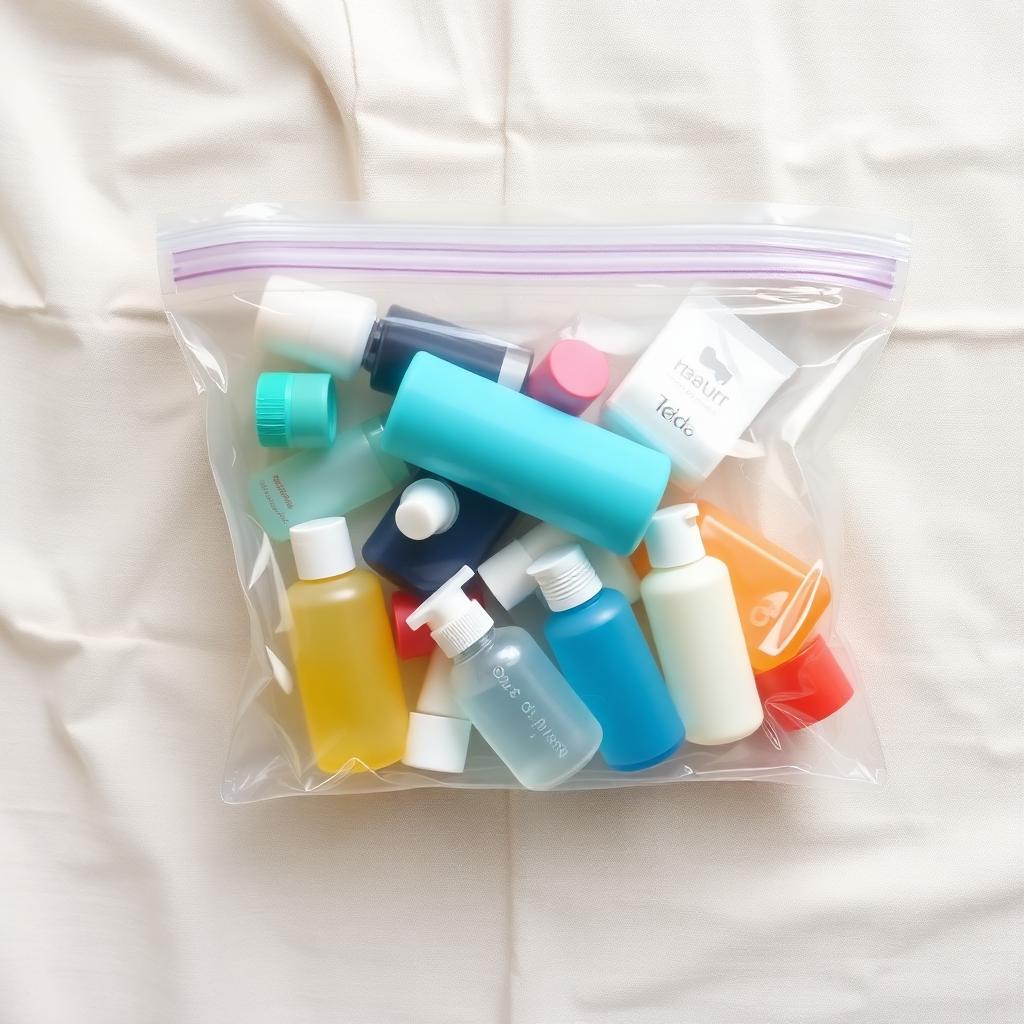
To pack carry on liquids successfully, you must follow the Transportation Security Administration (TSA) 3-1-1 rule. This federal regulation dictates that every liquid, gel, or aerosol must be stored in a container that holds 3.4 ounces (100 milliliters) or less. All individual containers must fit comfortably inside a single, clear, quart sized plastic bag. Only one bag is allowed per passenger, and it must be removed from your luggage for inspection at most standard security checkpoints.
There are critical exceptions to this rule for medically necessary items and infant nourishment. Prescription medications, baby formula, breast milk, and distilled water for CPAP machines are generally permitted in quantities larger than 3.4 ounces, provided you declare them to officers. As technology improves, some airports with advanced CT scanners no longer require you to remove these bags. However, it remains best practice to pack according to 3-1-1 standards to ensure a smooth transition through any airport globally.
Navigating the 3-1-1 Rule and Container Limits
The 3-1-1 rule is the foundation of modern aviation security for cabin luggage. I have found that the most common mistake travelers make is focusing on the amount of liquid inside a bottle rather than the capacity of the bottle itself. Even if a 6 ounce bottle of shampoo is nearly empty, security officers will likely confiscate it because the bottle size exceeds the 3.4 ounce threshold. The rule is strictly about the marked volume capacity printed on the packaging. I recommend looking for the 100 milliliter markings on travel sized products to ensure they meet global standards, as this measurement is universally accepted regardless of where you fly.
The final "1" in the 3-1-1 rule refers to the single quart sized bag permitted per traveler. This bag must be clear and resealable. While many people use standard kitchen storage bags, I prefer investing in a durable, reusable PVC or silicone pouch of the same dimensions. These tend to last longer and prevent leaks from ruining the rest of your clothing. Keep in mind that the bag must be able to zip shut easily. Overstuffing your quart bag can lead to the bag tearing or being flagged by an officer for manual inspection, which adds unnecessary time to your security experience. Efficiency in packing carry on liquids relies on prioritizing your most essential products.
Managing Exemptions for Medical and Infant Needs
TSA provides essential exemptions for items that are considered medically necessary or vital for infant care. During my travels, I have observed that many parents are unaware they can bring larger quantities of breast milk, juice, or baby formula. These items do not need to fit inside the quart sized bag, and they can exceed the 3.4 ounce limit. It is important to separate these items from your standard toiletries and inform the TSA officer at the beginning of the screening process. They will often perform additional testing on the liquids, which might include opening the container or using a vapor test, but the items are generally allowed through.
Medical exemptions extend to prescription liquids, gels for pain relief, and even saline solution for contact lenses. If you have a condition that requires you to carry more than the standard allowance, such as a large bottle of specialized cough syrup or liquid nutrients, you are entitled to bring it. I always suggest keeping these items in their original packaging with the prescription label visible. While a doctors note is not strictly required by TSA guidelines, carrying one can help clarify the necessity of the items if any questions arise. Remember that these exemptions also apply to ice packs or gel packs used to keep medication or milk cold, provided the packs are frozen solid at the time of screening.
Identifying Liquid Versus Solid Gray Areas
One of the most confusing aspects of packing carry on liquids is determining what exactly constitutes a liquid. The TSA defines a liquid as anything that can be sprayed, spread, smeared, pumped, or poured. This means items like peanut butter, hummus, toothpaste, and mascara are all subject to the 3.4 ounce limit. I have seen many travelers lose expensive jars of jam or honey because they viewed them as food rather than liquids. If it can lose its shape or be spread with a knife, treat it as a liquid to avoid disappointment at the checkpoint.
To maximize space in my quart bag, I often look for solid alternatives to common liquid products. Switching to bar soap, solid shampoo, and stick deodorant can free up significant room for items that truly must be liquid, like liquid foundation or sunscreen. Stick perfumes and even toothpaste tablets are excellent ways to circumvent the 3-1-1 rule entirely. Since these items are solids, they do not need to be placed in the clear plastic bag and do not count toward your volume limit. By shifting to solids, you reduce the risk of messy leaks and simplify your packing process significantly.
The Impact of Advanced CT Scanner Technology
The landscape of airport security is changing with the rollout of Computed Tomography (CT) scanners. These advanced machines, often referred to as LGA (Large Goods Allowed) scanners, create a 3D image of a bags contents. In many modern terminals, this technology allows passengers to leave their carry on liquids and electronics inside their suitcases during the screening process. This is a massive improvement for convenience, as it eliminates the need to dig through your luggage to find your quart bag. I have noticed these scanners becoming more common in major hubs like Atlanta, Chicago, and Los Angeles.
However, it is crucial not to become complacent. Even if your departing airport uses this technology, your return airport or a connecting hub might still use older X-ray machines that require bag removal. Furthermore, the 3.4 ounce volume limit still applies in most cases, even if you are not required to remove the bag from your luggage. The only current exception is for participants in the TSA PreCheck program or when specific local rules at international airports allow for larger volumes due to high tech screening. Until these scanners are universal, I always recommend packing your liquids in a way that allows for quick removal just in case.
Strategic Packing for Easy Access
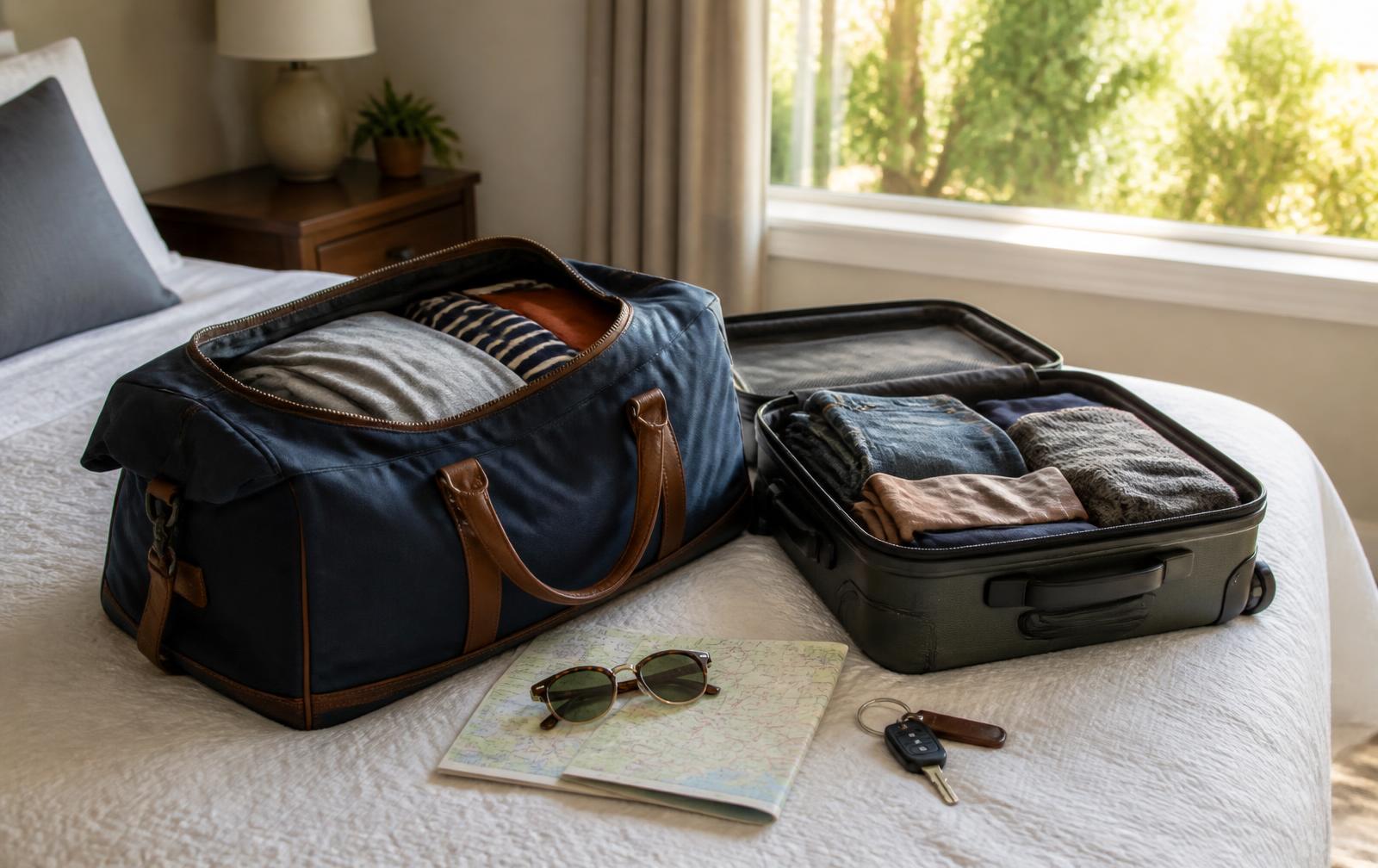
The best way to handle carry on liquids is to pack them last or in an easily accessible outer pocket. I always place my quart bag at the very top of my main suitcase compartment or in the front zip pocket of my backpack. This ensures that if I am asked to remove the bag, I can do so without exposing my personal belongings or disrupting my neatly folded clothes. If you are traveling with a companion, ensure they also have their liquids organized, as one person being unprepared can slow down the entire group. Effective packing is about speed and minimizing friction in the security line.
Beyond the quart bag, consider the possibility of leaks caused by cabin pressure changes. High altitudes can cause air trapped inside plastic bottles to expand, forcing the liquid through the cap. I mitigate this by squeezing a small amount of air out of each bottle before sealing it and placing a small piece of plastic wrap over the opening before screwing on the lid. This extra layer of protection prevents a small spill from becoming a major issue. Additionally, choosing bottles with screw caps rather than flip tops provides a more secure seal. A little preparation goes a long way in ensuring your liquids arrive intact at your destination.
Frequently Asked Questions
Can I bring a full water bottle through security if it is reusable?
No, you cannot bring a full water bottle of any kind through the checkpoint unless it is empty. Simply drink the contents or pour them out before you enter the queue, and then you can refill the bottle at a fountain or filling station once you are inside the secure terminal area.
Do wet wipes or makeup remover wipes count as liquids?
No, wet wipes, baby wipes, and makeup remover Towelettes are not considered liquids by the TSA. You can pack as many of these as you need in your carry on without including them in your quart sized bag, making them a great alternative to liquid cleansers.
What happens if my liquid container has no label?
If a container is unlabeled, the TSA officer must use their discretion to determine if it meets the volume requirements. While it is not strictly prohibited, it can lead to additional screening or testing. I recommend using containers that have the volume clearly marked to avoid any potential issues or delays.
Are aerosol cans like hairspray allowed in a carry on?
Yes, aerosols are allowed as long as they are in containers of 3.4 ounces or less and fit within your quart bag. This includes items like hairspray, deodorant, and shaving cream. Ensure the cans have caps to prevent accidental discharge while your luggage is being handled.
Bottom Line
Mastering the rules for carry on liquids requires a balance of following the 3-1-1 regulations and using smart packing strategies. By utilizing small bottles, taking advantage of medical and baby exemptions, and opting for solid alternatives, you can pass through security with ease. Always stay prepared for traditional screening by keeping your quart bag accessible, even as new scanning technology begins to simplify the process at many major airports across the country.