Quick Answer
You can fly with medication by keeping your prescriptions in your carry-on luggage to prevent loss or temperature damage. The TSA allows you to bring medications in pill or solid form in unlimited quantities through security checkpoints. While federal law does not require you to keep medications in original prescription bottles for domestic flights, doing so simplifies the screening process and prevents confusion during manual inspections or medical emergencies.
If you are flying with medication in liquid form, you are permitted to exceed the typical 3.1 ounce limit if the liquid is medically necessary. You must inform the TSA officer at the beginning of the screening process that you have liquid medication. These items should be separated from your other liquids to expedite the inspection. For international travel, always keep medications in their original packaging with clear labels to satisfy customs requirements.
Navigating TSA Rules for Liquids and Solids
The Transportation Security Administration regulates how all items, including medical supplies, enter the aircraft cabin. For most travelers, solid pills and capsules present the fewest challenges. You can pack these in your carry-on or checked luggage without declaring them. I always recommend the carry-on because checked bags are subject to extreme temperature fluctuations in the cargo hold and have a higher risk of being lost or delayed. Keeping your medication with you ensures you have access to your doses during flight delays or unexpected layovers.
When it comes to liquid medications, gels, or aerosols, the standard 3-1-1 rule for liquids is waived. This means you can carry larger bottles of cough syrup, contact lens solution, or liquid nutrition. To ensure a smooth experience, remove these items from your bag and place them in a separate bin for the X-ray machine. Inform the officer that you are flying with medication that is liquid. They may need to open the bottles for testing or use a special scanner to verify the contents. You do not need to place these medical liquids in a zip-top plastic bag.
Accessories required for medication, such as IV bags, pumps, or syringes, are also permitted through security. If you have internal medical devices like a pacemaker or an insulin pump that cannot be removed, you should inform the officer before the screening begins. You can request a pat-down or a visual inspection if you prefer not to go through the metal detector or advanced imaging technology. Carrying a medical notification card can help communicate these needs quickly in a busy terminal environment.
Managing Injectables and Ice Pack Requirements
If you use injectable medications like insulin or an EpiPen, you are allowed to carry syringes and auto-injectors in your carry-on bag. These items must be accompanied by the medication they are intended to deliver. It is helpful to have the prescription label attached to the medication or a signed letter from your doctor. While the TSA does not strictly require a doctor's note for domestic travel, having one can save time if an officer has questions about the specific nature of your supplies or the presence of needles.
Many injectable medications require refrigeration to remain effective. You are permitted to use ice packs, gel packs, or frozen water bottles to keep your medication cool during transit. Under TSA guidelines, these cooling elements are treated as medical necessities. However, if the ice packs are partially melted or slushy at the time of screening, they may be subject to additional scrutiny. Try to ensure they are frozen solid when you reach the security checkpoint to minimize delays.
I suggest using a small, insulated medical cooler bag that fits inside your carry-on. Once you are on the plane, do not ask flight attendants to store your medication in the galley refrigerator. Most airlines have policies against this due to the risk of contamination or the medication being forgotten upon arrival. Your insulated bag with gel packs should be sufficient for the duration of the flight. Always check your medication's storage requirements to see how long it can safely remain at room temperature if your cooling method fails.
Traveling Internationally with Controlled Substances
Flying with medication that is classified as a controlled substance requires extra preparation, especially when crossing international borders. Medications like strong painkillers, certain ADHD treatments, or anxiety medications may be legal in the United States but strictly regulated or even prohibited in other countries. For example, some common over-the-counter allergy medications in the US are banned in Japan. Always research the specific drug laws of your destination country by contacting their embassy or consulate before your departure.
When traveling abroad, the original prescription bottle is your most important piece of documentation. The label should clearly show your name, the doctor's name, the drug name, and the dosage. I also recommend carrying a formal letter from your healthcare provider that explains why you need the medication. This letter should include the generic and brand names of the drug. Translation of this document into the local language of your destination can be a wise precaution if you are visiting a country where English is not widely spoken by customs officials.
Always declare your medication on customs forms if required. Honesty is the best policy to avoid legal complications or the confiscation of your medicine. In some countries, you may need to apply for a specialized permit or "import certificate" weeks in advance if you are carrying more than a thirty day supply of a controlled substance. Never try to hide medication in your luggage or transfer pills to unmarked containers, as this can look suspicious to customs agents and may lead to detention or fines.
Strategies for Dosing Across Time Zones
Adjusting your medication schedule can be one of the most stressful parts of flying with medication across multiple time zones. For medications that require precise timing, such as birth control, blood thinners, or certain heart medications, a sudden shift of eight or ten hours can disrupt your treatment. I find it helpful to use a dual-clock display on my phone or wear a watch set to my home time zone to track when the next dose is due regardless of the local time.
For shorter trips of two or three days, you might find it easier to stick to your home schedule entirely. However, for longer stays, you will likely need to transition to the local clock. Do this gradually by moving your dose by one or two hours each day until you are aligned with the new time zone. You should always consult with your pharmacist or doctor before your trip to create a specific transition plan, especially for medications like insulin where timing is closely tied to meal schedules.
Keep a physical copy of your dosing schedule in your carry-on bag. Electronic reminders on your phone are useful, but battery failure or technical glitches can happen during long travel days. If you are taking medication that causes drowsiness, be mindful of when you take it during the flight. You do not want to be heavily sedated during a mid-flight emergency or when you need to navigate through a complex international airport upon landing. Plan your doses so you are alert for the arrival process.
Best Practices for Packing and Organization
Organization is the key to a stress-free experience when flying with medication. I recommend using a clear, quart-sized bag for your solids and another for your liquids to keep everything visible for inspectors. Even if not required for pills, a clear bag allows you to see if a bottle has leaked or if you are running low on a specific supply. Include a list of all your medications, the conditions they treat, and your doctor's contact information in case you need a refill or medical assistance while away from home.
Always pack at least one extra week of medication beyond the planned length of your trip. Travel delays, flight cancellations, or personal emergencies can extend your time away from home unexpectedly. Finding a pharmacy that can fill an out-of-state or international prescription is often difficult and time-consuming. Having a buffer supply provides peace of mind. If you are traveling with a companion, consider splitting your medication between two carry-on bags so you have a backup if one bag is misplaced or stolen during your journey.
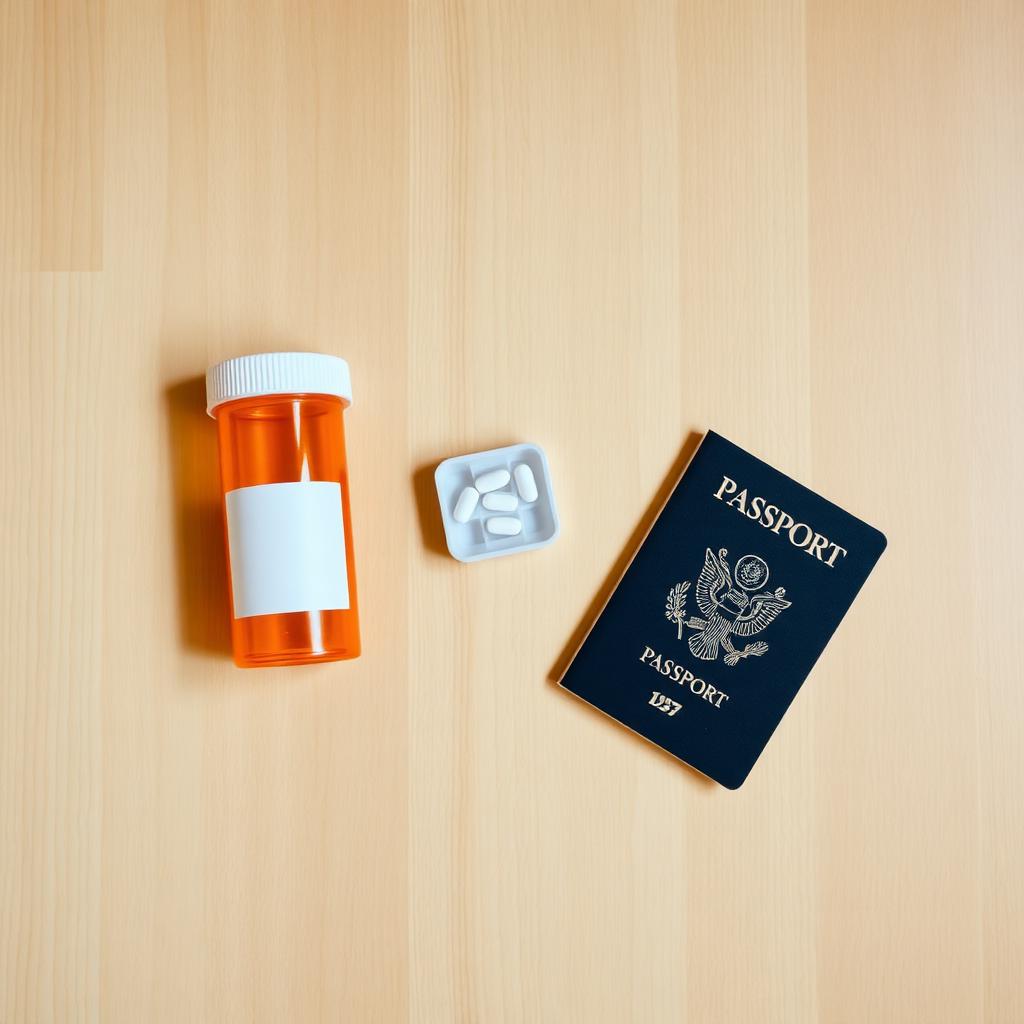
Finally, check the expiration dates of all your medications before you pack. You do not want to realize you are carrying an expired EpiPen or an empty inhaler while you are in the middle of a flight. If you use a daily pill organizer, consider waiting to fill it until you reach your destination. Keeping pills in their original pharmacy bottles during the flight helps with identification. If you must use a pillbox for the journey, bring the empty original bottles or a printed pharmacy profile to prove the pills belong to you.
Frequently Asked Questions
Do I have to tell the TSA officer about my pills?
You are not required to declare solid pills or capsules at the security checkpoint, but you must declare any liquid medications that exceed 3.4 ounces.
Can I fly with medical marijuana?
TSA's screening procedures are focused on security and detecting threats, but marijuana remains illegal under federal law. If an officer discovers it, they are required to refer the matter to local law enforcement, even if you have a medical card.
Is it okay to put my medication in checked baggage?
While it is legal, it is highly discouraged because checked bags can be lost or exposed to extreme heat and cold, which can ruin the chemical stability of many drugs.
What if I lose my medication while I am traveling?
Contact your prescribing doctor immediately to see if they can call in a prescription to a local pharmacy. If you are abroad, you may need to visit a local clinic to get a new prescription that conforms to that country's regulations.
Bottom Line
Flying with medication is a manageable process as long as you prioritize organization and documentation. By keeping your prescriptions in your carry-on, using original labeled bottles, and understanding the specific rules for liquids and injectables, you can navigate security checkpoints with ease. Always research the local laws of your destination when traveling internationally, especially for controlled substances. Preparation is the best way to ensure your health remains a top priority while you explore the world.