Quick Answer
Flying alone for the first time is a manageable process that involves booking your ticket, checking in online, passing through security, and finding your gate. The key is to arrive at the airport at least two hours before a domestic flight and three hours before an international one to account for lines.
I recommend downloading your airline app immediately after booking to receive gate updates and digital boarding passes. Once you clear security, your primary focus should be locating your departure gate before you grab a snack or start shopping.
Choosing and Booking Your Flight
When I book my first solo trip, I always look for a direct flight if the budget allows. Layovers add a layer of complexity that can be stressful for a beginner. If a connection is necessary, I make sure the layover is at least ninety minutes long to account for any minor delays or long walks between terminals.
I prefer booking directly through the airline website rather than a third party travel site. This makes it much easier to handle changes or refunds if something goes wrong. I also check the baggage policy carefully. Many basic economy tickets do not include a carry on bag, which can lead to expensive fees at the gate.
Keep your confirmation number and a digital copy of your itinerary in a dedicated folder in your email. I also like to take a screenshot of my flight details just in case I lose cellular service while I am in the terminal.
What to Pack and How to Dress
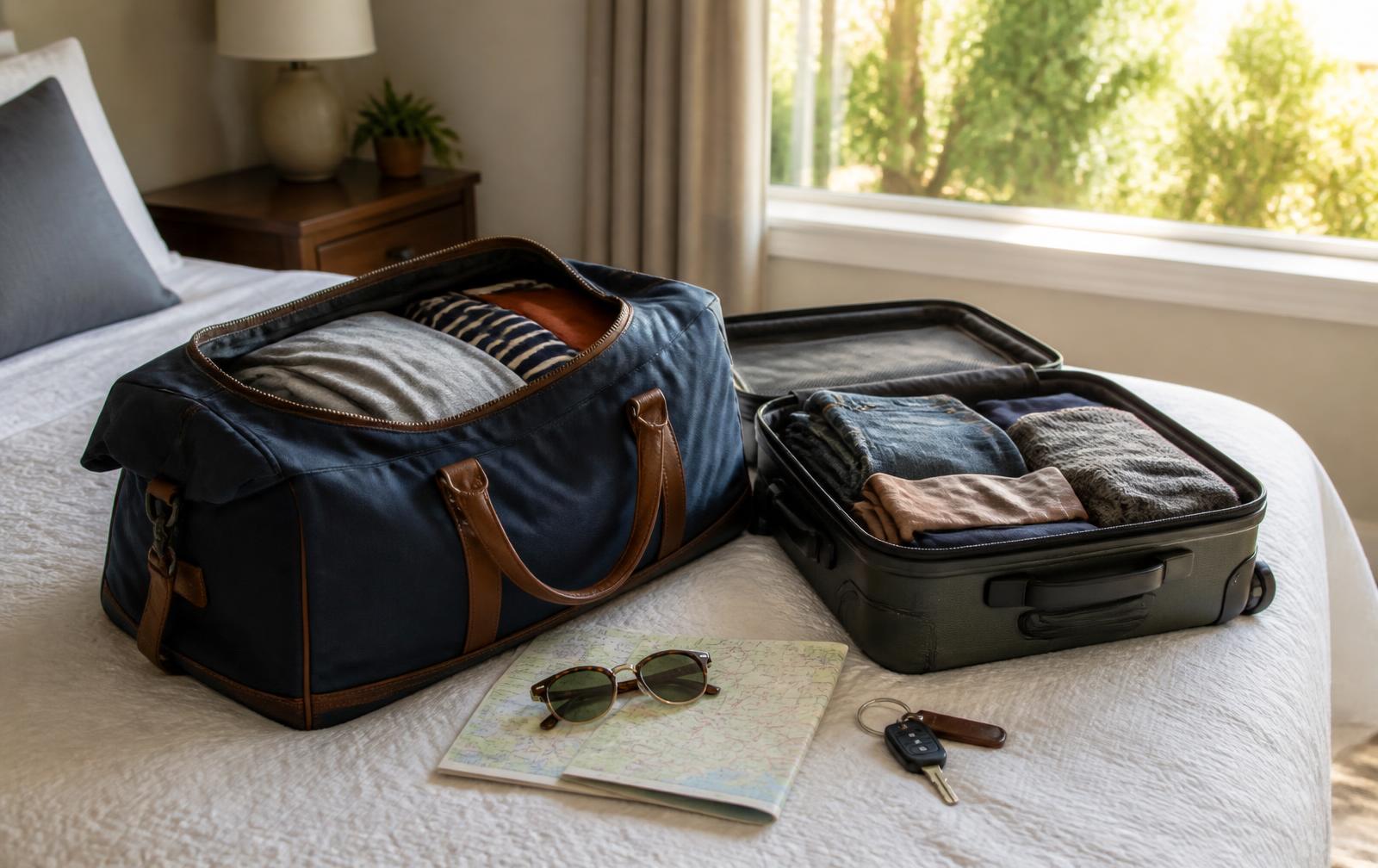
Packing light is a lifesaver when you are navigating a large airport by yourself. I try to stick to one carry on suitcase and one personal item like a backpack. Keeping your hands free makes it easier to check your phone for gate updates or hold your passport.
I dress for the security line. This means wearing shoes that are easy to slip on and off, like sneakers or loafers. I avoid wearing belts with heavy metal buckles or excessive jewelry that might trigger the scanners. This speeds up the process for everyone and keeps my stress levels low.
I also pack an empty reusable water bottle. You cannot take liquids through security, but most airports have filtered water stations near the restrooms once you are inside. This saves me quite a bit of money on expensive bottled water.
The Check In Process
Most airlines open their check in window twenty four hours before the flight departs. I always check in as soon as I get the notification. This is when you can confirm your seat and receive your digital boarding pass. Having your boarding pass on your phone means you can head straight to security if you are not checking any bags.
If you have a large suitcase that needs to be checked, you will need to find your airline desk in the departures area of the airport. I look for the signs or the kiosks where I can print my own luggage tag. After the tag is attached, a staff member will scan it and take your bag.
Do not forget to keep your physical ID or passport in an easily accessible pocket. You will need to show your ID and your boarding pass multiple times before you even reach the plane.
Navigating Airport Security
Security is often the part of flying that people find the most intimidating. I find it helpful to watch the people in front of me to see what the current requirements are. Generally, you will need to place your bags, shoes, and light jacket into plastic bins.
If you are not in a pre-screened program like TSA PreCheck, you will likely need to remove your laptop and any liquids from your bag. All liquids must be in containers of 3.4 ounces or less and fit into a single quart sized clear bag. I keep these items at the very top of my backpack for easy access.
Once you walk through the metal detector or body scanner, gather your items quickly and move to a nearby bench to put your shoes back on and reorganize. This keeps the line moving and prevents you from feeling rushed by the people behind you.
Finding Your Gate and Waiting
The very first thing I do after clearing security is find the large monitors that list arrivals and departures. I double check my flight number to see which gate I am assigned to. Gates can change at the last minute, so do not rely solely on what is printed on your paper boarding pass.
I follow the overhead signs to my gate immediately. I like to see the physical location and confirm the flight is listed on the screen at the podium. Once I know exactly where I need to be, I feel much more relaxed about going to find a meal or a coffee.
While waiting, I stay close enough to hear the announcements. Sometimes gate agents provide important updates about boarding times or aircraft changes that might not appear on the app right away. I use this time to charge my phone and check my seat assignment one last time.
The Boarding Process
Boarding usually begins about thirty to forty minutes before the scheduled departure time. Airlines board in groups, which are clearly marked on your boarding pass. I wait for my group to be called rather than crowding the gate area, which helps maintain order.
As I walk down the jet bridge, I have my boarding pass ready one last time. When I enter the plane, I look for the row numbers located on the underside of the overhead bins. If I have a rolling suitcase, I place it in the bin with the wheels facing in or out as directed by the crew.
I keep my smaller personal item under the seat in front of me. This contains my headphones, snacks, and any medication I might need during the flight. Once I am settled, I fasten my seatbelt and listen to the safety briefing even if I have heard it before.
During the Flight
Flying can be a long process, so I try to stay hydrated and move my feet around to maintain circulation. Most planes have a button above the seat to adjust the air vent or turn on a reading light. If I need assistance, I use the flight attendant call button located on the armrest or overhead panel.
I always make sure my electronics are in airplane mode as soon as the cabin door closes. Many planes now offer wifi or entertainment systems that you can access through your own device. I usually download a few podcasts or movies before I leave home just in case the onboard system is not working.
If there is turbulence, I stay in my seat with my belt fastened. It is a normal part of flying, and the pilots are trained to handle it. I find that focusing on a book or a game helps distract me if the ride gets a little bumpy.
What to Do if You Miss a Connection
If your first flight is delayed and you miss your connection, the first thing to do is stay calm. I immediately check the airline app to see if I have been automatically rebooked on the next available flight. Often, the system handles this for you.
If the app does not show a new flight, I head to the nearest customer service desk for my airline. I find it is often faster to call the airline or use their chat feature while I am standing in line. This gives me two ways to reach a representative.
- Ask the agent if they provide vouchers for food or hotels if the delay is the fault of the airline.
- Check if there are flights to nearby airports that could get you closer to your destination.
- Keep all your receipts for expenses incurred during the delay for potential reimbursement later.
Frequently Asked Questions
What documents do I need for a domestic flight?
You generally need a valid government issued photo ID, such as a drivers license or a passport. Some states require REAL ID compliant licenses for air travel, so check your local regulations before you go.
Can I bring my own food on the plane?
Yes, you can bring solid food items through security and onto the aircraft. This is a great way to save money and ensure you have something you like to eat, though you should avoid strong smelling foods out of respect for other passengers.
How do I know when to get off the plane?
Once the plane lands and reaches the gate, the captain will turn off the seatbelt sign. You should stay seated until the rows in front of you begin to move, then gather your belongings and follow the flow of passengers out through the jet bridge.
What if I lost my boarding pass?
If you lose your paper pass, you can print a new one at an airport kiosk or ask an agent at the gate. If you have the airline app, your digital boarding pass is always available and is sufficient for every part of the journey.
Is it okay to use the bathroom during the flight?
You can use the lavatory any time the seatbelt sign is off. I try to go before boarding or wait until the plane is at its cruising altitude to avoid blocking the aisle while the flight attendants are serving drinks.
Arrival and Baggage Claim
After exiting the plane, I follow the signs for Baggage Claim or Ground Transportation. If I checked a bag, I look for the digital screens in the baggage area to find which carousel my flight is assigned to. It can sometimes take twenty minutes or more for bags to start appearing.
I always double check the tag on the bag before I walk away with it. Many suitcases look identical, and it is easy to grab the wrong one by mistake. Adding a colorful ribbon or a unique luggage tag helps me spot my bag from a distance.
Finally, I head to the designated area for rideshares, taxis, or public transit. I find that having a plan for how to get to my hotel before I land makes the arrival much smoother. Most airports have clear signage directing you to these specific pickup zones.