Quick Answer
The single best way to exchange money abroad is by using a local bank ATM once you arrive at your destination. Always use a debit card that offers no foreign transaction fees and choose to be charged in the local currency rather than your home currency.
For the lowest possible fees, I recommend using digital banking apps like Wise or Revolut before your trip. These platforms allow you to hold multiple currencies at the mid market rate, which saves you from the 3 to 10 percent markups common at airport kiosks.
Avoid the Airport Currency Booths
I know it is tempting to swap your cash as soon as you step off the plane. You feel a sense of security having physical bills in your pocket before you even leave the terminal. However, airport currency exchange booths are almost always the worst deal you can get.
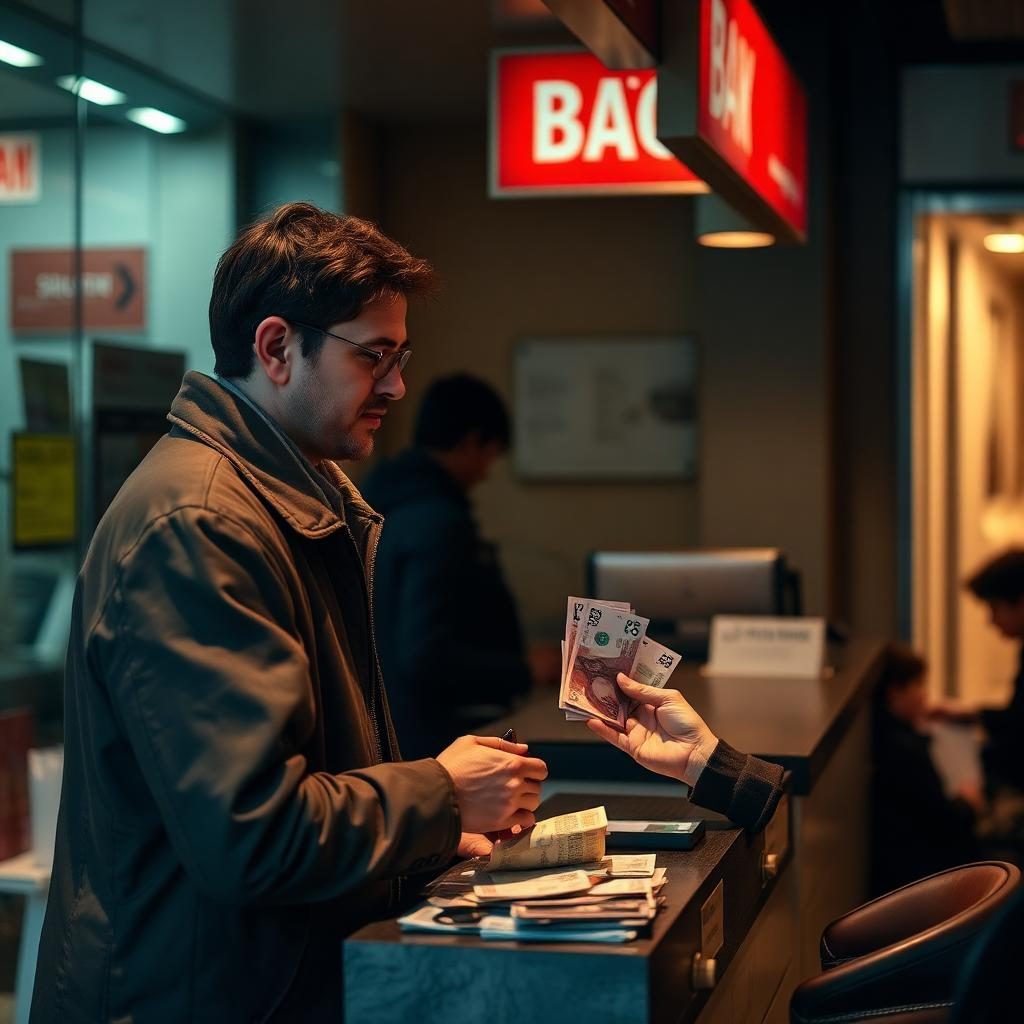
These booths pay high rent for their prime locations and pass those costs onto you. They often advertise "zero commission" or "no fees," which is a marketing trap. They simply hide their profit by offering an exchange rate that is significantly worse than the real market rate.
In most cases, you will lose between 8 and 15 percent of your money at an airport booth. If you absolutely must have cash for a bus or taxi, only exchange 20 dollars to get you to the city center. Wait until you find a reputable bank ATM in town for the rest of your needs.
The Power of No Fee Debit Cards
My favorite tool for travel is a dedicated travel debit card. Many modern banks now offer accounts specifically designed for globe trotters that do not charge international ATM fees. This allows me to withdraw small amounts of cash as I go without worrying about a five dollar fee every time.
Some banks even go a step further and reimburse any fees charged by the owner of the ATM. This is a game changer in countries where third party ATMs are the only option. I always check my bank's policy before I pack my bags to ensure I am not in for a surprise on my statement.
I also make sure to notify my bank of my travel dates. Even in 2026, some older security systems might freeze your card if they see a sudden charge in a foreign country. A quick update in your banking app usually prevents this headache.
Always Decline the Dynamic Currency Conversion
This is the most common trick used by ATMs and credit card terminals abroad. When you go to pay or withdraw cash, the machine will ask if you want to be charged in your home currency (like US Dollars) or the local currency (like Euros or Yen). This is called Dynamic Currency Conversion.
Always choose the local currency. If you choose your home currency, the ATM provider or the shop owner gets to set their own exchange rate. This rate is guaranteed to be worse than what your bank would give you. It is essentially a fee for the "convenience" of seeing the price in a familiar currency.
I have seen machines use rates that are 10 percent higher than the daily average. By simply pressing the button for the local currency, you let your own bank handle the conversion. Your bank will use the standard network rate, which is almost always the fair market value.
Digital Wallets and Fintech Apps
I rarely carry much physical cash these days because of apps like Wise and Revolut. These services allow you to open a digital account and swap currencies instantly at the mid market rate. You can then spend that money using a physical or virtual card.
The transparency is what I love most. Before I click "convert," the app shows me exactly what the fee is (usually less than one percent). This is much cheaper than traditional banks that often bake a hidden spread into their rates.
- Wise is excellent for large transfers and holding over 40 different currencies.
- Revolut offers great budgeting tools and "vaults" to save up for your next trip.
- Both apps allow you to freeze your card instantly if it gets lost or stolen.
- You can use these cards at most contactless terminals worldwide just like a regular credit card.
The Role of Credit Cards Abroad
While cash is still king in some parts of the world, I use my credit card for the majority of my large purchases. Hotels, car rentals, and nice dinners are almost always better handled with plastic. The key is to use a card with no foreign transaction fees.
Most premium travel credit cards waive the standard 3 percent fee that basic cards charge. Over a two week trip, those fees can add up to hundreds of dollars. I also appreciate the extra layer of consumer protection that credit cards provide if a merchant tries to scam me.
However, I never use my credit card at an ATM. This is considered a "cash advance," and the interest starts accruing immediately at a very high rate. I use my debit card for the ATM and my credit card for the checkout counter.
Dealing with Cash Only Destinations
Even in 2026, some of my favorite street food stalls and local markets only take cash. If I am heading to a country where cash is still heavily used, I change my strategy slightly. I try to find a bank ATM located inside a physical bank branch during business hours.
Using an ATM inside a bank is safer because it is less likely to have a "skimmer" installed by thieves. If the machine eats your card, you can walk inside and talk to a human. This happened to me once in South America and I was very glad I chose a branch ATM rather than a hole in the wall on a dark street.
I also try to withdraw larger amounts at once to minimize the number of times I have to use a machine. I keep the extra cash in a portable safe or a hidden pocket in my luggage. I only carry what I need for the day in my wallet.
Hidden Fees to Watch Out For
Even when you do everything right, some fees can still creep in. I always read the fine print on the ATM screen before I confirm a withdrawal. Some machines will show a flat fee of five or ten dollars for the transaction. If I see this, I often cancel the transaction and look for a different bank.
In many countries, larger national banks do not charge these flat fees, while "independent" ATMs found in convenience stores almost always do. It is worth walking an extra block to find a reputable bank brand.
Another hidden cost is the "out of network" fee from your own bank back home. If your bank does not have a partnership with the foreign bank, they might charge you for using an external machine. I recommend opening a travel specific account with a bank that has a global presence or a "no fees anywhere" policy.
Frequently Asked Questions
Is it better to exchange money before I leave home?
I generally advise against it because US banks often charge high fees and offer poor rates for foreign currency. The only exception is if you are arriving late at night in a country where you know cash is required for the only available transport. Otherwise, wait until you get to a local ATM.
What is the mid market rate?
The mid market rate is the real exchange rate that banks use to trade money with each other. It is the midpoint between the buy and sell prices. Most exchange booths give you a much lower rate and pocket the difference, which is why I prefer apps that stick close to the mid market value.
Should I carry a backup card?
Yes, I always travel with at least two different cards from two different banks. I keep them in separate places. If one card gets blocked by a fraud department or eaten by a machine, I am not left stranded without any way to pay for my trip.
What do I do with leftover foreign cash?
I try to spend my last coins and bills at the airport on snacks or souvenirs before I fly home. If I have a large amount left, I sometimes use it to pay off a portion of my hotel bill at checkout. Converting small amounts of cash back into dollars at home usually results in a massive loss due to high fees.
Are travelers checks still a thing?
No, travelers checks are almost completely obsolete in 2026. Most businesses will not accept them, and even banks find them difficult to process. Stick to a mix of a travel debit card, a no fee credit card, and a small amount of local cash for the best experience.
Final Tips for Success
The secret to not losing a fortune is simply being prepared. I spend five minutes researching the local currency and checking if my destination is "cash heavy" or "card friendly" before I board my flight. This prevents me from making desperate decisions at the airport.
I also make it a habit to use a currency converter app on my phone. This helps me understand the true cost of items in real time. When a menu says a meal is 5000 units of a foreign currency, the app tells me exactly what that means in my own money. Knowledge is your best defense against overspending.
By using a combination of digital banking apps, choosing the right ATMs, and staying away from airport kiosks, you can keep more of your money for the actual trip. Travel is about the experiences, and few things ruin a trip faster than feeling like you have been ripped off by a bank.