Quick Answer
In most of Western Europe, North America, Australia, and parts of East Asia, you can safely drink straight from the tap. In many other regions, including most of Central and South America, Africa, and Southeast Asia, you should avoid untreated tap water to prevent illnesses like Giardia or travelers diarrhea.
If you are in a high risk area, the best way to stay safe is by using a portable water purifier like a Grayl bottle, a UV light pen, or by boiling your water. Relying solely on bottled water is an option but it creates significant plastic waste and can be expensive over long trips.
Understanding Where Tap Water Is Safe
I always start my trip planning by checking the local water standards. Generally, you can trust the tap in the United States, Canada, the United Kingdom, and most of the European Union. Countries like Japan, South Korea, and Singapore also have world class filtration systems that make tap water perfectly fine for consumption.
The situation changes when you head to developing nations or regions with aging infrastructure. Even if a city has a treatment plant, the pipes leading to your hotel might be corroded or leaky, allowing contaminants to seep in. I generally assume the water is unsafe in most of Mexico, Central America, the Middle East, and the majority of the African continent.
If you are unsure, look for signs in your hotel bathroom. Many international hotels will place a small sign near the sink or provide complimentary glass bottles if the tap water is not potable. When in doubt, I always ask the front desk or a local resident before taking a sip.
Using Specialized Filter Bottles
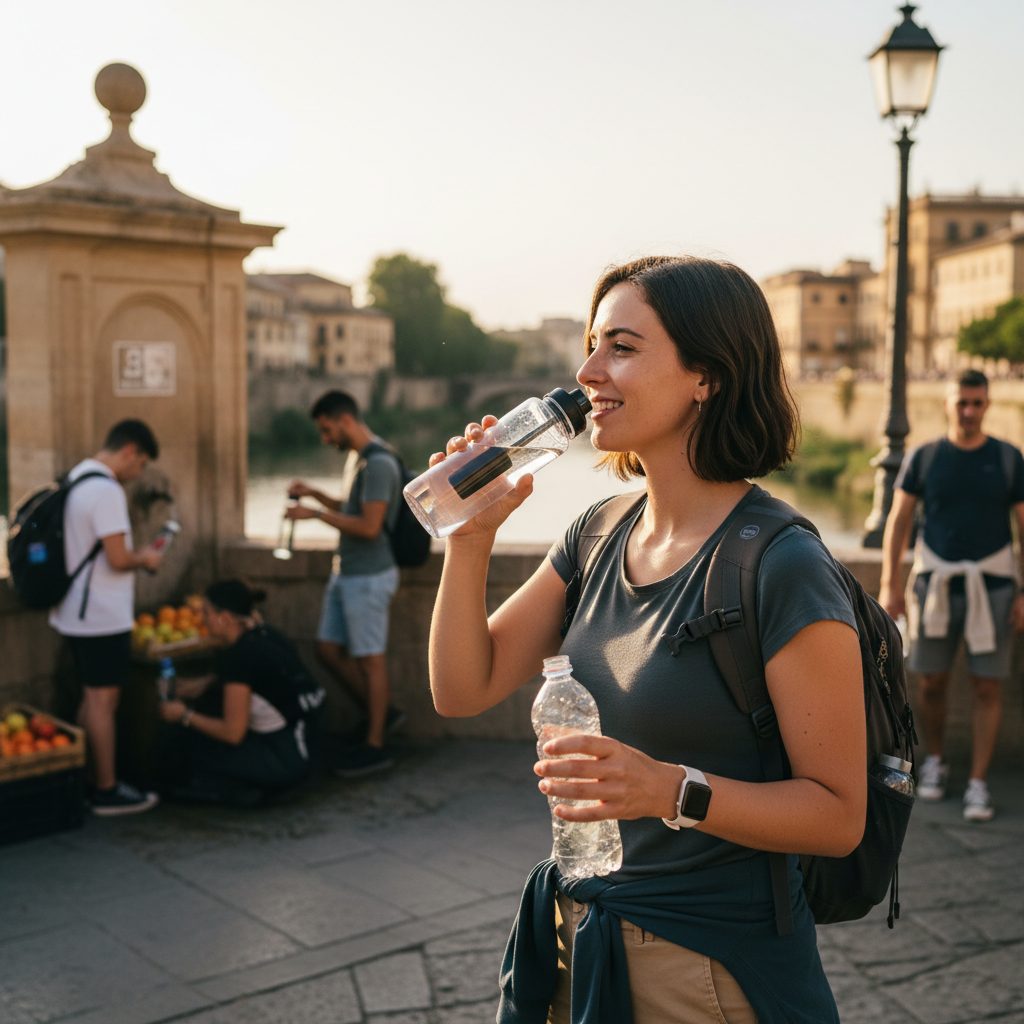
My favorite way to handle sketchy water is a high quality filter bottle. These are different from standard Brita pitchers you use at home. Travel filters are designed to remove bacteria, protozoa, and often viruses, which are the main concerns for hikers and international travelers.
I personally recommend pressure based purifiers like the Grayl. You fill the outer sleeve with tap water and then press the inner filter assembly down. It removes everything from heavy metals to E. coli in about fifteen seconds. It is much faster than waiting for a gravity filter and ensures I have clean water for a full day of sightseeing.
Another popular option is the LifeStraw Go. This bottle uses a straw filter that you drink through directly. While effective against bacteria, some models do not filter out viruses. If you are traveling in a region where viral contamination is a risk, ensure your filter bottle is specifically labeled as a purifier.
The Power of UV Purification Pens
If you do not want to carry a bulky bottle, a UV purification pen like a SteriPen is a fantastic alternative. These devices use ultraviolet light to scramble the DNA of microbes, making them harmless. I find these particularly useful when eating at restaurants where I can quietly treat a glass of water at the table.
Using a UV pen is simple. You stir the device in a glass or bottle of water for about ninety seconds until the light turns green. It is essential to ensure the water is clear before using UV light. If the water is cloudy or full of sediment, the light cannot reach all the bacteria, so you may need to pre-filter it through a coffee filter or a clean cloth.
Keep in mind that UV pens require batteries or a USB charge. I always bring a spare set of batteries or a power bank. If your device dies in the middle of a remote trek, you might find yourself in a difficult situation without a backup method.
Chemical Treatments and Tablets
Chemical purification is one of the oldest tricks in the book for travelers. Iodine tablets or chlorine dioxide drops are lightweight and fit easily into a pocket or a first aid kit. I keep a few foil-wrapped tablets in my backpack at all times as a permanent backup solution.
The main downside to chemical treatments is the taste and the wait time. Iodine often leaves a bitter, metallic aftertaste that some people find unpleasant. You can buy neutralizing tablets to fix the flavor, but that is an extra step. Furthermore, most chemicals require at least thirty minutes to work, and some take up to four hours to kill certain cysts like Cryptosporidium.
Chlorine dioxide is generally considered more effective than iodine because it kills a wider range of pathogens and does not leave as strong of a taste. Regardless of which chemical you choose, be sure to follow the instructions exactly. Adding too little chemical or drinking the water too soon can result in an infection.
The Old School Boiling Method
When I am staying in an Airbnb or a place with a kitchen, boiling is my go to method. It is the most reliable way to kill every type of pathogen, including viruses and parasites. You do not need any fancy gear, just a pot and a heat source.
The general rule is to bring the water to a rolling boil for at least one full minute. If you are at a high altitude, such as in the Andes or the Himalayas, you should boil the water for three minutes. This is because water boils at a lower temperature at high elevations, so it needs more time to ensure all the microbes are neutralized.
I usually boil a large pot of water in the evening and let it cool overnight. I then fill my reusable bottles in the morning. If the boiled water tastes flat, you can improve the flavor by pouring it back and forth between two containers to aerate it or by adding a pinch of salt.
Avoiding Hidden Dangers in Drinks
Drinking safe water is only half the battle. I have learned the hard way that contaminants hide in places you might not expect. The most common culprit is ice. Even if your soda comes from a sealed bottle, the ice cubes in your glass were likely made from local tap water. In high risk areas, I always order my drinks without ice.
Salads and raw fruits can also be problematic. If a restaurant washes their lettuce in contaminated tap water, you can still get sick. I stick to fruits that I can peel myself, like bananas or oranges, and I opt for cooked vegetables instead of fresh salads when I am in a region with poor water quality.
Brushing your teeth is another frequent point of exposure. While a tiny amount of water might not always make you sick, it is better to be safe. I keep a bottle of filtered water on the bathroom counter to remind myself not to use the tap when I am groggy in the morning or just before bed.
Environmental Impact and Bottled Water
It is tempting to just buy plastic water bottles at every convenience store. In some places, this is the only realistic way to stay hydrated if you do not have treatment gear. However, the environmental impact is massive. Many countries with unsafe tap water also lacks robust recycling programs, meaning those bottles end up in landfills or the ocean.
I try to minimize my plastic footprint by buying the largest jugs available, such as five gallon containers, and refilling my personal bottle from those. This uses significantly less plastic than buying a dozen small bottles over a weekend. Many hostels and cafes also offer water refill stations for a small fee, which are usually safer than the tap.
If you must buy bottled water, check the seal. There is a common scam in some regions where vendors refill old bottles with tap water and glue the caps back on. Always listen for that characteristic click when you break the plastic seal for the first time.
Handling Sickness if it Happens
Despite your best efforts, sometimes you still get sick. I always pack a small medical kit specifically for waterborne illnesses. This includes oral rehydration salts, which are life saving if you have severe diarrhea and become dehydrated. You simply mix the powder into clean water to replenish lost electrolytes.
I also carry over the counter medications like loperamide to slow down the symptoms, though you should check with a doctor before using them. Sometimes it is better to let the bugs leave your system naturally rather than trapping them inside. If you develop a high fever or if symptoms last more than a couple of days, seek local medical attention immediately.
In many countries, pharmacists are highly trained and can provide antibiotics or specific treatments for local parasites without a doctor visit. I have found them to be an excellent resource for quick help when I am feeling under the weather in a foreign city.
Frequently Asked Questions
Is it safe to drink water in hotels in Mexico?
Most hotels in Mexico tell guests not to drink the tap water, though some high end resorts have their own in-house filtration systems that make the water safe. It is best to stick to bottled or filtered water even inside the hotel room for drinking and brushing teeth.
Can I drink tap water in London or Paris?
Yes, the tap water in London and Paris is completely safe to drink and meets very high quality standards. You will find that many locals drink it regularly, and you can freely ask for tap water at restaurants to save money.
Does a charcoal filter like Brita make water safe abroad?
No, standard charcoal filters are designed to improve taste by removing chlorine and lead but they do not remove bacteria, viruses, or parasites. You need a specialized travel purifier or filter if you are in a country with unsafe water.
Is it safe to drink tea or coffee made with tap water?
If the water used to make the tea or coffee was brought to a rolling boil, it is generally safe to drink because the heat kills the harmful pathogens. Just ensure the water was actually boiled and not just heated to a warm temperature.
Can you get sick from showering in contaminated water?
It is unlikely to get sick from showering as long as you do not swallow the water. However, if you have open wounds or very sensitive skin, you should be more careful, and I recommend keeping your mouth tightly shut while rinsing your face.