Quick Answer
Learning how to choose carry on bag options begins with understanding your most frequent airline's dimensions. For major United States domestic carriers, the standard limit is generally 22 by 14 by 9 inches including wheels and handles. If you primarily fly international or budget airlines, you might need a smaller bag near 21 or 20 inches to avoid gate check fees. Balancing size with internal capacity is the first step in your selection process.
Beyond size, consider the shell material and wheel configuration. Hard shells offer superior protection for electronics while soft sided bags provide flexibility for over packing and external pockets for easy access. Decide between two wheels for durability on uneven pavement or four spinner wheels for effortless movement through airport terminals. Ultimately, the best bag combines a lightweight frame under seven pounds with a reputable manufacturer's warranty to protect your investment for years of travel.
International Versus Domestic Airline Size Mandates
The geography of your travel plays a massive role in how to choose carry on bag sizes. In the United States, carriers like Delta, United, and American Airlines usually allow bags up to 22 inches in height. However, European and Asian carriers often enforce stricter limits, sometimes capping the height at 55 centimeters (approximately 21.6 inches). Some budget airlines in Europe, such as Ryanair or EasyJet, may even require smaller dimensions or charge extra for anything larger than a small under seat personal item. If you buy a bag that is exactly 22 inches, you might find yourself forced to gate check it on a connecting flight through London or Paris.
Weight limits are another critical factor that travelers often ignore until they reach the check in counter. While US domestic airlines rarely weigh carry on bags, international carriers frequently impose limits ranging from 7 to 12 kilograms (about 15 to 26 pounds). If your empty suitcase weighs 10 pounds, you have very little room left for your actual belongings before hitting those strict ceilings. I always suggest looking for a bag that weighs between 6 and 8 pounds when empty. This ensures you can maximize your packing list without exceeding the total weight allowance enforced by international gate agents during recent crackdowns.
Choosing Between Hard Shell and Soft Sided Luggage
The debate between hard shell and soft sided luggage often comes down to personal packing style and the items you intend to carry. Hard shell bags, typically made from polycarbonate or aluminum, provide a rigid shield that protects fragile items like laptops or souvenirs from being crushed in overhead bins. They are also generally more water resistant, which is a significant advantage if you are walking to a train station in the rain. However, these bags usually feature a clamshell opening that requires a large footprint to pack, and they lack the external pockets many travelers use for stowing passports or liquid bags.
Soft sided luggage, often constructed from ballistic nylon or polyester, offers much more flexibility. Many of these bags include an expansion zipper that adds an extra inch or two of depth, which is perfect for bringing home gifts from your trip. The single lid opening also makes it easier to pack in small hotel rooms where floor space is limited. The downside is that fabric can tear or stain more easily than plastic, and your items might be more susceptible to impact if the bag is mishandled. When you consider how to choose carry on bag materials, think about whether you prioritize protection and aesthetics or organization and flexibility.
Wheel Configurations and Maneuverability
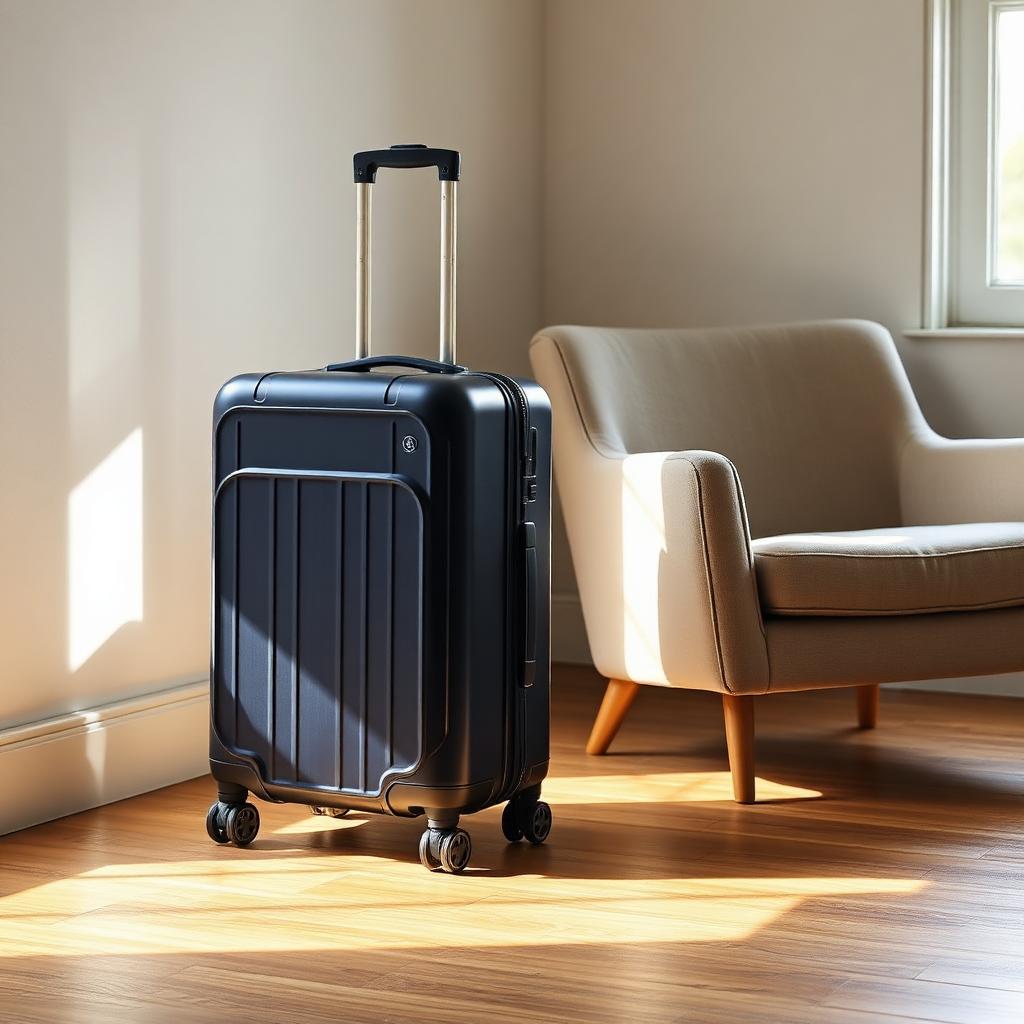
Wheels are arguably the most vulnerable part of any suitcase, so choosing the right configuration is vital for longevity. Four wheel spinner bags are immensely popular because they allow the suitcase to stand upright and glide beside you with minimal effort. This is a huge benefit in long security lines where you can simply nudge the bag forward. However, spinner wheels are often external and more prone to breaking if they get snagged on a curb or are tossed into a cargo hold. They also tend to take away an inch or two of usable packing height compared to recessed wheels.
Two wheel uprights, also known as rollers, are better suited for travelers who encounter cobblestones, gravel, or thick carpeting. Because the wheels are partially recessed into the frame, they are much more durable and provide more interior volume for your clothes. The trade off is that you must pull the weight of the bag behind you, which can put strain on your wrist and shoulder over long distances. I find that for business trips with smooth floors, spinners are superior, but for rugged international adventures involving bus transfers and old city streets, the two wheel design is often the more reliable choice.
Comparing Top Brand Warranties
A carry on bag is an investment, and the warranty provided by the manufacturer can save you hundreds of dollars in the long run. Brands like Travelpro are famous among flight crews for their Crew and Platinum Elite lines. Their warranties often cover defects in materials and workmanship, and some high end models even cover damage caused by airlines. This is a major perk for frequent flyers who need a bag that can be repaired quickly. Travelpro focuses on functional durability and has a long history of serving professional travelers who demand reliability.
Direct to consumer brands like Away and Monos have disrupted the market with sleek designs and lifetime warranties. Away offers a limited lifetime warranty that covers cracks in the shell, broken wheels, and non functional zippers. Monos provides a similar lifetime guarantee, focusing on the structural integrity of the polycarbonate shell. While these warranties are excellent, it is important to read the fine print regarding what constitutes "normal wear and tear" versus accidental damage. If you travel more than five times a year, choosing a brand with a robust repair network and a generous warranty policy ensures you won't have to buy a new bag every two seasons.
Pairing Your Carry On With a Personal Item
The strategy of how to choose carry on bag layouts must include your personal item pairing. Most airlines allow one carry on suitcase and one smaller personal item like a backpack, tote, or briefcase that fits under the seat in front of you. To maximize your efficiency, look for a personal item that features a luggage sleeve, sometimes called a trolley strap. This allows you to slide the smaller bag over the handle of your carry on, creating a stable and consolidated unit for navigating the terminal. This setup keeps your hands free and prevents the secondary bag from constantly sliding off your shoulder.
When selecting your personal item, ensure it complements the weaknesses of your main bag. For example, if you choose a hard shell carry on with no external pockets, your personal item should have dedicated compartments for your phone, charging cables, and travel documents. This allows you to keep the main suitcase in the overhead bin for the entire flight while having everything you need within reach. Careful coordination between these two bags can effectively increase your total packing capacity by 30 to 40 percent, making it possible to avoid checked luggage entirely even on trips lasting two weeks or more.
Frequently Asked Questions
What is the most common size for a carry on bag?
For most major United States airlines, the standard size is 22 inches by 14 inches by 9 inches, though some international carriers require 21 inches or smaller.
Are hard shell bags heavier than soft side bags?
Not necessarily; modern polycarbonate hard shells are often lighter than heavy duty ballistic nylon soft bags, though the lightest bags on the market are typically specialized soft sided models.
Can I use a backpack as my carry on bag?
Yes, as long as the backpack dimensions fall within the airline's size limits, it functions exactly like a suitcase in the overhead bin.
Do airline gate agents really measure bags?
Yes, especially on budget carriers and full flights, where agents may use a sizing box or scale to ensure every bag meets the airline's specific criteria.
Bottom Line
When you focus on how to choose carry on bag options, the primary goal is finding a balance between airline compliance and personal utility. Prioritize a lightweight frame under seven pounds, check the warranty coverage for wheels and zippers, and settle on a wheel configuration that matches your typical terrain. By choosing a bag that fits within a 22 by 14 by 9 inch footprint and pairing it with a functional personal item, you can travel efficiently while avoiding the stress and cost of checked luggage.