Quick Answer
To avoid motion sickness on a flight, book a seat directly over the wings. This area is the center of gravity for the plane and experiences the least amount of movement during turbulence or turns.
I also recommend staying hydrated, avoiding heavy meals before boarding, and focusing your eyes on the distant horizon or a fixed point outside the window. Over the counter medications like meclizine or dimenhydrinate are highly effective if taken about an hour before takeoff.
Choose Your Seat Wisely
The position of your seat is the single most important factor in how much motion you feel. I always try to book a seat over the wings because the aircraft pivots around this central point. Think of it like a seesaw, where the ends move the most and the middle stays relatively still.
If the wing area is fully booked, the front of the plane is your next best bet. Avoid the very back of the cabin at all costs. The tail section tends to fishtail and bounce significantly more during bumpy flights.
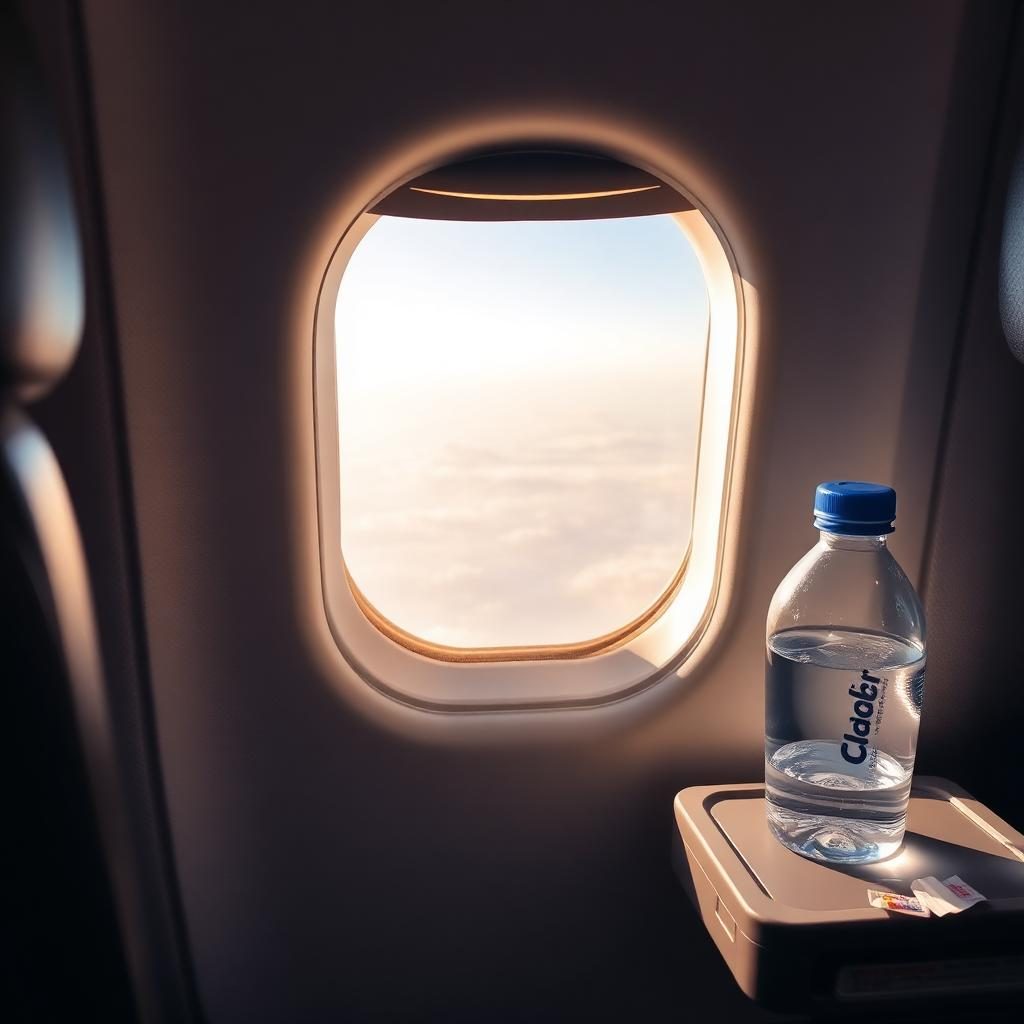
I also suggest choosing a window seat. Being able to look out at the horizon helps your brain reconcile the movement your inner ear feels with what your eyes see. If you are prone to severe nausea, having that visual reference is a lifesaver.
Watch Your Pre-Flight Diet
What you put in your stomach before you board can determine how you feel for the next five hours. I avoid greasy, spicy, or acidic foods at the airport. These can irritate your stomach lining and make you more susceptible to nausea when the plane starts to climb.
Alcohol is another common trigger that many travelers overlook. While a pre-flight cocktail might seem relaxing, it dehydrates you and can interfere with your inner ear balance. I stick to water or ginger ale until I reach my destination.
Don't travel on a completely empty stomach, though. A small, bland snack like crackers or a piece of fruit can help settle your stomach acid. The goal is to feel neither stuffed nor starving when the cabin door closes.
Utilize Over the Counter Medications
If you have a history of motion sickness, don't try to tough it out. I usually take a dose of meclizine, often sold under the brand name Dramamine Less Drowsy or Bonine, about 60 minutes before boarding. This gives the medicine time to enter your system before the plane starts moving.
Be aware that some of these medications can cause significant drowsiness. If you need to stay sharp for a business meeting or a car rental upon arrival, look for the non-drowsy formulas. These typically use ginger or a different antihistamine balance.
- Meclizine: Long lasting and less likely to cause sleepiness.
- Dimenhydrinate: Fast acting but often causes heavy drowsiness.
- Scopolamine Patches: Requires a prescription and is placed behind the ear.
- Ginger Capsules: A natural alternative that works well for mild cases.
Control Your Micro-Environment
As soon as I sit down, I reach up and turn the air vent to its highest setting. Directing a stream of cool air toward your face can prevent that "stuffy" feeling that often precedes a bout of motion sickness. Fresh airflow helps keep your body temperature regulated.
I also avoid reading physical books or staring at small phone screens during takeoff and landing. Focusing on a fixed object close to your face while the plane is tilting confuses your sensory system. If you want to use electronics, try listening to a podcast or an audiobook instead.
Try to keep your head still by leaning it back against the headrest. Many modern planes have adjustable wings on the headrest that can cradle your head. Limiting head movement reduces the fluid shifts in your inner ear.
Natural Remedies and Pressure Points
I am a big fan of sea-bands, which are elastic wristbands that use a plastic stud to apply pressure to the P6 point on your wrist. This is an ancient acupressure technique that many travelers swear by to block nausea signals to the brain.
Ginger is another powerful tool in my travel kit. I often pack ginger chews, crystallized ginger, or even tea bags. Ginger helps speed up gastric emptying, which means food moves out of your stomach faster and reduces the "rocky" feeling.
Peppermint oil can also be helpful. I sometimes put a tiny drop on a tissue and sniff it if the cabin smells like jet fuel or heavy food. Scents have a direct line to the brain's nausea center, and peppermint is naturally soothing.
What to Do During Turbulence
When the pilot turns on the seatbelt sign and things get bumpy, your first instinct might be to tense up. I find that it helps to stay loose and move slightly with the rhythm of the plane rather than fighting it. Think of it like riding a horse or a bike.
If you start to feel sick mid-flight, lean back and close your eyes. This eliminates the visual conflict between your eyes and your ears. Deep, controlled breathing into your diaphragm can also calm the vagus nerve and slow down the nausea response.
Focus on a point far in the distance if you can see out the window. If it is dark outside, focus on the horizon line where the sky meets the earth. Do not look down at your lap or at the seatback pocket in front of you.
Hydration and Salt Balance
Airplane cabins are notoriously dry, which can lead to headaches and worsened motion sickness. I make it a point to drink a full bottle of water for every three hours of flight time. Dehydration makes your brain more sensitive to the physiological stresses of flying.
Salty snacks like pretzels or saltines can actually be your friend if you feel a little queasy. The salt helps your body retain a bit of water and the starch is easy for your stomach to process. Most flight attendants carry these specifically for this reason.
Avoid carbonated drinks if you feel bloated. Gas expands at high altitudes, which can put pressure on your stomach and make you feel more uncomfortable during a bumpy descent. Stick to flat water or herbal tea without added sugar.
Frequently Asked Questions
Does sitting in the front of the plane help with motion sickness?
Yes, because the front of the aircraft is ahead of the engines and usually experiences less vibration and swaying than the rear section.
Is it better to fly at night or during the day?
Day flights are often better for motion sickness because you have a visual reference of the horizon, whereas night flights can be disorienting when you can't see the ground.
Can I take Dramamine after I already feel sick?
You can, but it is much less effective once symptoms have started. It is always better to take preventative medication at least an hour before you expect movement.
Why does reading make motion sickness worse on a plane?
Reading forces your eyes to focus on a stationary object while your inner ear senses movement, creating a sensory mismatch that triggers the brain's nausea response.
Do wristbands actually work for flying?
While some scientists call it a placebo effect, many travelers find that acupressure bands provide significant relief by stimulating nerves that regulate the stomach.
Managing the Aftermath
Sometimes, even with the best preparation, you might feel a bit off after you land. This is often called "mal de debarquement" or sea legs. I find that taking a brisk walk in the fresh air once I leave the airport helps my body recalibrate to solid ground.
Stay hydrated for several hours after landing and try to eat a light, protein rich meal. Avoid jumping straight into a long car ride if you can help it. Giving your equilibrium twenty minutes to settle in the terminal can make a world of difference.
If you frequently suffer from severe motion sickness, keep a log of which seats and which planes felt the best. I have found that larger, wide-body aircraft generally feel more stable than smaller regional jets. Use that data to book your future travels more comfortably.